



AD
2-Hydroxypropyl 9-octadecenoate(CAS: 1330-80-9)
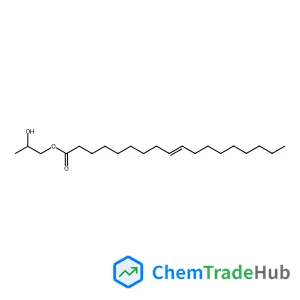
CAS Number
Related Products
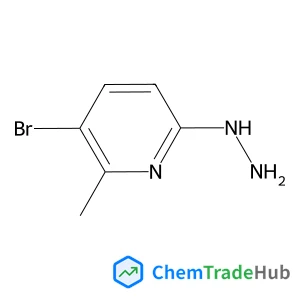
3-Bromo-6-hydrazinyl-2-methylpyridine
CAS Number: 39919-66-9
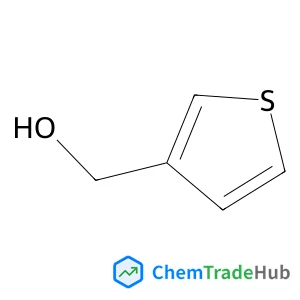
3-Thienylmethanol
CAS Number: 71637-34-8
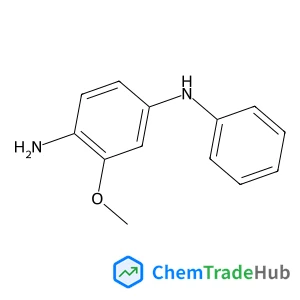
3-Methoxy-N1-phenylbenzene-1,4-diamine
CAS Number: 5840-10-8
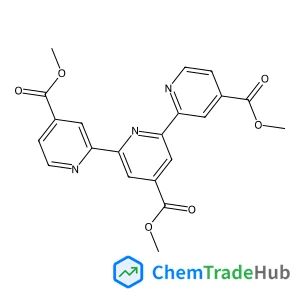
![5-Isoquinolinesulfonamide, N-[2-[[3-(4-bromophenyl)-2-propen-1-yl]amino]ethyl]-](https://static.chemtradehub.com/structs/127/127243-85-0-0f72.webp)
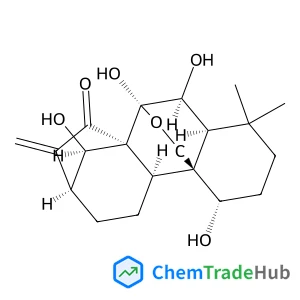
Oridonin
CAS Number: 28957-04-2
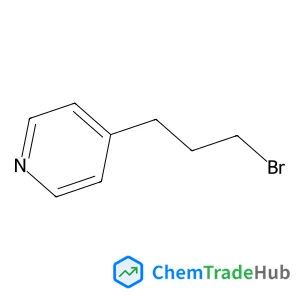
4-(3-Bromopropyl)pyridine
CAS Number: 40337-66-4
Other Suppliers for 2-Hydroxypropyl 9-octadecenoate






Basic Information
Molecular Formula
C21H40O3
Molecular Weight
340.55 g/mol
EINECS
215-549-3
Physical Properties
Boiling Point
176-183 °C(Press: 2 Torr)
Density
0.919[at 20℃]
Water Solubility
9.738μg/L at 28℃
Chemical Identifiers
SMILES
CCCCCCCCC=CCCCCCCCC(=O)OCC(C)O
InChIKey
ZVTDEEBSWIQAFJ-UHFFFAOYSA-N
Database References
MDL Number
MFCD00046647
FAQ
2-Hydroxypropyl 9-octadecenoate (CAS: 1330-80-9) falls under various regulatory guidelines. It is classified under the Globally Harmonized System of Classification and Labeling of Chemicals (GHS) as a skin irritant. Additionally, it is subject to the European Union's REACH regulations, which require manufacturers and importers to register substances with the European Chemicals Agency (ECHA). In the USA, the Environmental Protection Agency (EPA) and the Food and Drug Administration (FDA) may have specific requirements related to its use and handling.
There are several alternatives to 2-Hydroxypropyl 9-octadecenoate in synthesis. For example, 2-hydroxypropyl palmitate can be used as an alternative, providing similar functionality in cosmetic and personal care products. Other options include 2-hydroxypropyl stearate and 2-hydroxypropyl behenate, which can serve as viable substitutes depending on the specific application requirements.
The market for 2-Hydroxypropyl 9-octadecenoate is steadily growing, driven by increasing demand in the personal care and cosmetic industries. Research trends indicate a focus on sustainable and eco-friendly ingredients, with efforts to develop more biodegradable and environmentally friendly alternatives. Trends also show a shift towards formulating products with natural and organic components, which often include this compound.
Waste containing 2-Hydroxypropyl 9-octadecenoate should be handled with care to minimize environmental impact. Collection should be done in appropriate containers, and the waste should be stored in a secure and well-ventilated area. For disposal, professional waste management services should be used to ensure safe incineration or other appropriate methods. Proper environmental protection measures, including the use of personal protective equipment, should be followed to safeguard against potential skin irritation. Compliance with local and national regulations is essential throughout the waste handling process.
Safety Notice
Please verify product specifications and safety data before use. Contact the supplier for detailed safety information.
Always follow proper handling procedures
Contact Information
2355265332@qq.com