



AD
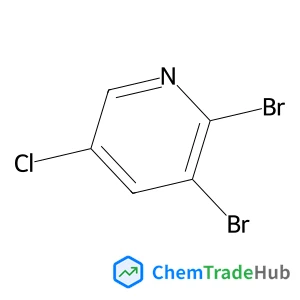
2,3-Dibromo-5-chloropyridine(CAS: 137628-17-2)
CAS Number
Related Products
![2,2'-[(2-Amino-2-oxoethyl)imino]diacetic acid](https://static.chemtradehub.com/structs/262/26239-55-4-b3d0.webp)
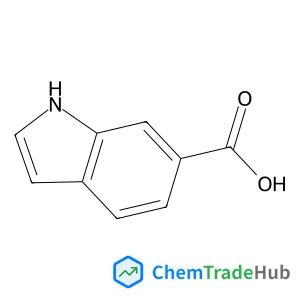
1H-Indole-6-carboxylic acid
CAS Number: 1670-82-2
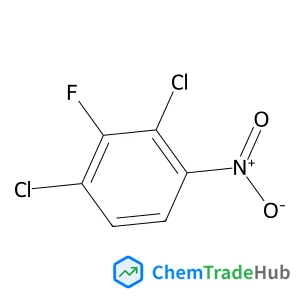
1,3-Dichloro-2-fluoro-4-nitrobenzene
CAS Number: 393-79-3
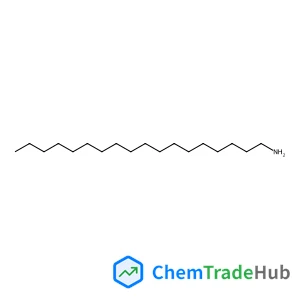
1-Octadecanamine
CAS Number: 124-30-1
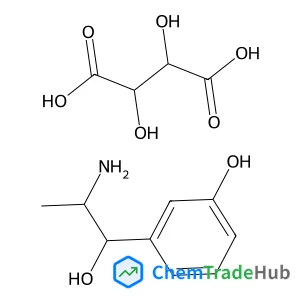
Metaraminol tartrate
CAS Number: 33402-03-8
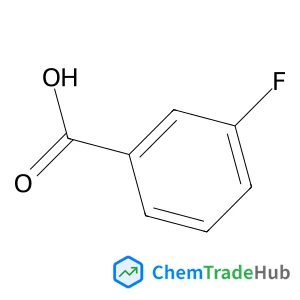
3-Fluorobenzoic acid
CAS Number: 455-38-9
Other Suppliers for 2,3-Dibromo-5-chloropyridine




Basic Information
Molecular Formula
C5H2Br2ClN
Molecular Weight
271.34 g/mol
Physical Properties
Melting Point
41.0 to 45.0 deg-C
Boiling Point
259.9℃ at 760 mmHg
Chemical Identifiers
SMILES
C1=C(C=NC(=C1Br)Br)Cl
InChIKey
GDUFWKJMOOVEMX-UHFFFAOYSA-N
Database References
MDL Number
MFCD08687254
FAQ
2,3-Dibromo-5-chloropyridine (CAS: 137628-17-2) is regulated under various guidelines, including GHS (Global Harmonized System of Classification and Labeling of Chemicals) for hazard communication, REACH (Registration, Evaluation, Authorisation and Restriction of Chemicals) for European manufacturers and importers, and FDA/EPA regulations for its use in the United States. It is important to consult the latest regulatory documents for specific requirements and safety data sheets for detailed handling instructions.
Alternatives to 2,3-Dibromo-5-chloropyridine (CAS: 137628-17-2) include other halogenated pyridines and bromine-containing compounds. Common reagents like 2-bromo-5-chloropyridine or 2-chloro-5-bromopyridine can be used as substitutes. However, the choice of alternative depends on the specific reaction conditions and desired product properties.
The market for 2,3-Dibromo-5-chloropyridine (CAS: 137628-17-2) is stable but shows potential research interest in its use as a precursor in organic synthesis and pharmaceuticals. Recent trends indicate growing exploration in its antimicrobial and antiviral applications. However, market dynamics can vary based on regulatory changes and new applications.
Waste containing 2,3-Dibromo-5-chloropyridine (CAS: 137628-17-2) should be collected in a sealed, labeled container, and disposed of according to local hazardous waste regulations. Incineration is a common disposal method, but professional waste disposal services are recommended to ensure safety and compliance. Always follow safety protocols and consult the latest regulatory guidelines for waste management.
Safety Notice
Please verify product specifications and safety data before use. Contact the supplier for detailed safety information.
Always follow proper handling procedures
Contact Information
Contact Person
Pules Han
2186883463@qq.com