



AD
(6Z,10E,14E,18E)-2,6,10,15,19,23-Hexamethyl-2,6,10,14,18,22-tetracosahexaene(CAS: 7683-64-9)
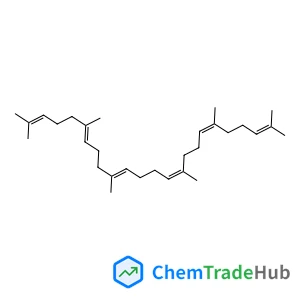
CAS Number
Related Products
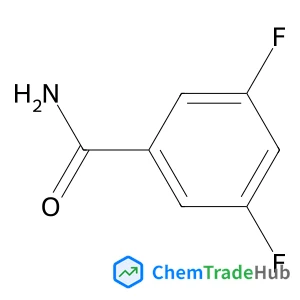
3,5-Difluorobenzamide
CAS Number: 132980-99-5
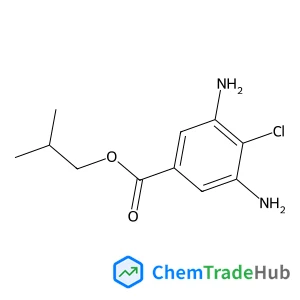
Isobutyl 3,5-diamino-4-chlorobenzoate
CAS Number: 32961-44-7

Thioxoeuropium
CAS Number: 12020-65-4
![(1,2-Ethanediyldi-4,1-phenylene)bis[(4-methylphenyl)methanone]](https://static.chemtradehub.com/structs/719/71902-17-5-a21b.webp)
![Phosphonic acid, [[(phosphonomethyl)imino]bis[2,1-ethanediylnitrilobis(methylene)]]tetrakis-, heptasodium salt](https://static.chemtradehub.com/structs/681/68155-78-2-6fa0.webp)
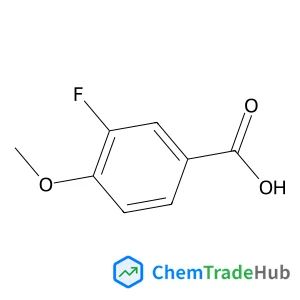
3-Fluoro-4-methoxybenzoic acid
CAS Number: 403-20-3
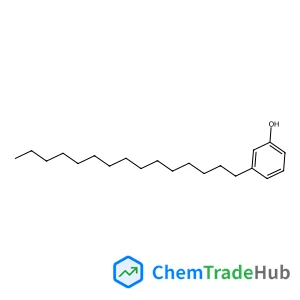
3-Pentadecylphenol
CAS Number: 501-24-6
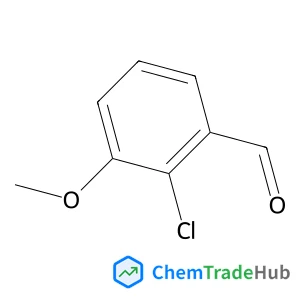
2-Chloro-3-methoxybenzaldehyde
CAS Number: 54881-49-1
Dilithium dimethylcuprate(2-)
CAS Number: 15681-48-8
Other Suppliers for (6Z,10E,14E,18E)-2,6,10,15,19,23-Hexamethyl-2,6,10,14,18,22-tetracosahexaene







Basic Information
Molecular Formula
C30H50
Molecular Weight
410.73 g/mol
Physical Properties
Melting Point
−75 °C(lit.)
Boiling Point
285 °C25 mm Hg(lit.)
Density
0.858 g/mL at 25 °C(lit.)
Flash Point
>230 °F
Chemical Identifiers
SMILES
CC(=CCCC(=CCCC(=CCCC=C(C)CCC=C(C)CCC=C(C)C)C)C)C
InChIKey
YYGNTYWPHWGJRM-FLHYQJCXSA-N
Database References
MDL Number
MFCD00008912
FAQ
(6Z,10E,14E,18E)-2,6,10,15,19,23-Hexamethyl-2,6,10,14,18,22-tetracosahexaene is a solid at room temperature with a crystalline form. It has a high molecular weight, approximately 690 g/mol. This compound is poorly soluble in water but soluble in organic solvents like hexane and toluene. Chemically, it is relatively stable but can react with strong oxidizing agents. Its reactivity is influenced by the presence of methyl groups, which can affect its reaction profile.
(6Z,10E,14E,18E)-2,6,10,15,19,23-Hexamethyl-2,6,10,14,18,22-tetracosahexaene can be synthesized through a series of Wittig reactions and selective alkylation steps. Catalysts such as triphenylphosphine and organometallic reagents are used to achieve high yield and selectivity. The synthesis involves multiple steps, each requiring precise control over temperature and reagent proportions to ensure purity and high yield.
(6Z,10E,14E,18E)-2,6,10,15,19,23-Hexamethyl-2,6,10,14,18,22-tetracosahexaene is used in various industries. In pharmaceuticals, it serves as a precursor for synthesizing bioactive molecules. In polymer research, it can be used as a monomer for developing novel materials. Additionally, it has applications in sensor technology and semiconductor manufacturing, where its unique molecular structure provides specific functionalities.
When handling (6Z,10E,14E,18E)-2,6,10,15,19,23-Hexamethyl-2,6,10,14,18,22-tetracosahexaene, it is essential to wear appropriate personal protective equipment (PPE) such as gloves and safety goggles. Work should be conducted in a well-ventilated area or fume hood. Spills should be cleaned up with appropriate absorbent materials and disposed of according to local regulations. Always refer to the Safety Data Sheet (SDS) for detailed handling and disposal instructions to ensure safety in the laboratory setting.
Safety Notice
Please verify product specifications and safety data before use. Contact the supplier for detailed safety information.
Always follow proper handling procedures

Contact Information
Contact Person
Miss He
3001291231@qq.com
Mobile
15220856871
Telephone
0751-2886750
Visit Website
http://www.wj-chem.com/pages/1969.htmlAddress
Guangdong Province Shaoguan City Wengyuan County Guantou Town Guan Guang Industrial Zone