



AD
Hydroxysanguinarine(CAS: 548-30-1)
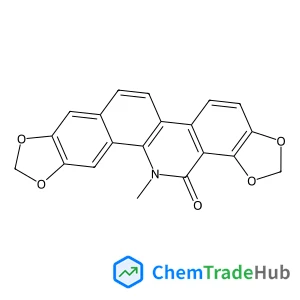
CAS Number
Related Products
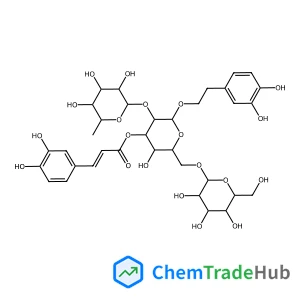
Magnoloside B
CAS Number: 116872-05-0
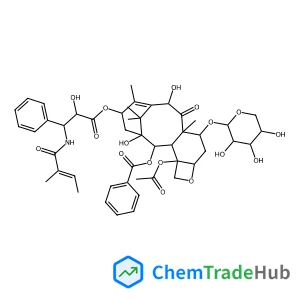
7-Xylosyl-10-deacetyltaxol B
CAS Number: 90332-64-2
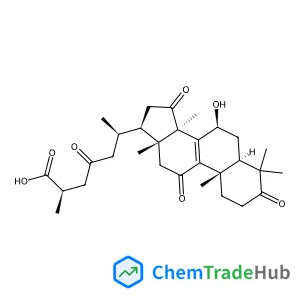
Ganoderic acid C1
CAS Number: 95311-97-0
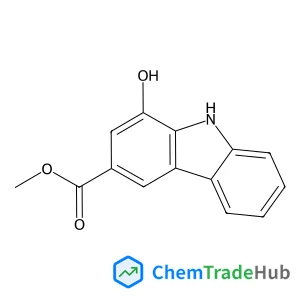
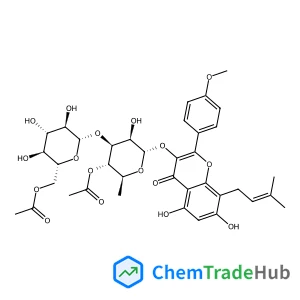
![1-O-[(2alpha,3alpha)-2-Hydroxy-24,28-dioxo-3-{[3-O-(beta-D-xylopyranosyl)-beta-D-glucopyranuronosyl]oxy}olean-12-en-28-yl]-beta-D-glucopyranose](https://static.chemtradehub.com/structs/162/1623405-28-6-0a69.webp)
![(1S,2S,4R,8S,9R,11R,12R)-1,12-Dihydroxy-2,11-dimethyl-7-methylene-6-oxo-5,14-dioxatricyclo[9.2.1.0~4,8~]tetradec-9-yl 2-methylpropanoate](https://static.chemtradehub.com/structs/599/59979-61-2-41ef.webp)
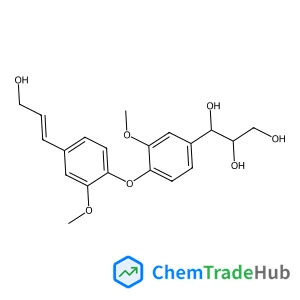
Other Suppliers for Hydroxysanguinarine




Basic Information
Molecular Formula
C20H13NO5
Molecular Weight
347.33 g/mol
Physical State
Powder
Physical Properties
Boiling Point
628.7°C at 760 mmHg
Density
1.509
Flash Point
334.1°C
Chemical Identifiers
SMILES
CN1C2=C(C=CC3=CC4=C(C=C32)OCO4)C5=C(C1=O)C6=C(C=C5)OCO6
InChIKey
UFHGABBBZRPRJV-UHFFFAOYSA-N
Database References
MDL Number
MFCD31579605
FAQ
Hydroxysanguinarine (CAS: 548-30-1) falls under the scope of various regulatory guidelines. Occupational exposure limits are regulated by OSHA, and it is classified according to the Globally Harmonized System of Classification and Labeling of Chemicals (GHS). In the European Union, it must comply with REACH regulations, ensuring that it does not pose significant risks to human health or the environment. FDA and EPA regulations also apply for its use in pharmaceuticals and environmental safety, respectively.
Hydroxysanguinarine (CAS: 548-30-1) can be synthesized using various alternatives, such as sanguinarine or oxysanguinarine, which are analogs with similar structures. Other substitute reagents like morpholine or piperidine can also be used as equivalents in certain reactions. These alternatives offer varying degrees of reactivity and solubility, making them suitable for specific synthesis conditions.
The market for Hydroxysanguinarine (CAS: 548-30-1) is growing due to its antimicrobial and antiparasitic properties. Research trends focus on its potential applications in topical treatments for skin infections and as an antifungal agent. Additionally, there is increasing interest in its use in veterinary medicine and as a natural alternative to synthetic compounds. Price trends suggest a steady demand, with slight variations based on supply and research interest.
Waste containing Hydroxysanguinarine (CAS: 548-30-1) should be handled with care to ensure environmental safety. Waste liquid should be collected in appropriate containers and neutralized if acidic or basic. Professional incineration or chemical oxidation methods are recommended for disposal, with proper ventilation and environmental protection measures in place. Hazardous waste regulations must be followed, and disposal should be conducted by certified waste management companies to avoid environmental contamination.
Safety Notice
Please verify product specifications and safety data before use. Contact the supplier for detailed safety information.
Always follow proper handling procedures
