



AD
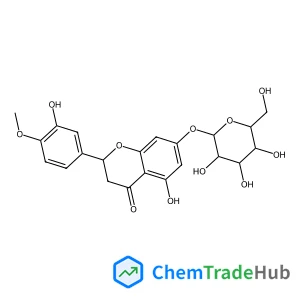
(2S)-5-Hydroxy-2-(3-hydroxy-4-methoxyphenyl)-4-oxo-3,4-dihydro-2H-chromen-7-yl beta-D-glucopyranoside(CAS: 31712-49-9)
CAS Number
Related Products
![(2R)-2,7,8-Trimethyl-2-[(4R,8R)-4,8,12-trimethyltridecyl]-6-chromanol](https://static.chemtradehub.com/structs/54-/54-28-4-155c.webp)
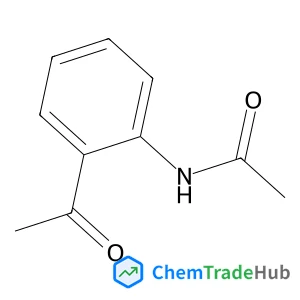
N-(2-Acetylphenyl)acetamide
CAS Number: 5234-26-4
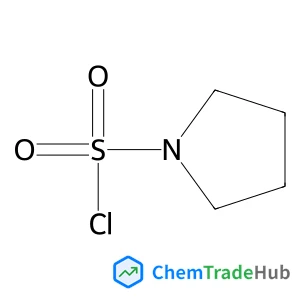
1-Pyrrolidinesulfonyl chloride
CAS Number: 1689-02-7
![3-Hexyl-2-[3-(3-hexyl-1,3-benzoxazol-2(3H)-ylidene)-1-propen-1-yl]-1,3-benzoxazol-3-ium iodide](https://static.chemtradehub.com/structs/532/53213-82-4-e483.webp)
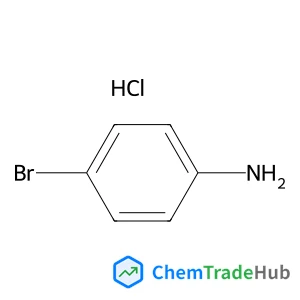
4-Bromoaniline hydrochloride (1:1)
CAS Number: 624-19-1
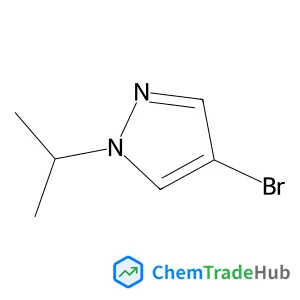
4-Bromo-1-isopropyl-1H-pyrazole
CAS Number: 313735-62-5
Other Suppliers for (2S)-5-Hydroxy-2-(3-hydroxy-4-methoxyphenyl)-4-oxo-3,4-dihydro-2H-chromen-7-yl beta-D-glucopyranoside







Basic Information
Molecular Formula
C22H24O11
Molecular Weight
462.41 g/mol
Physical State
Powder
Physical Properties
Boiling Point
586.2°Cat760mmHg
Density
1.458
Flash Point
223°C
Chemical Identifiers
SMILES
COC1=C(C=C(C=C1)C2CC(=O)C3=C(C=C(C=C3O2)OC4C(C(C(C(O4)CO)O)O)O)O)O
InChIKey
ADSYMQORONDIDD-ZJHVPRRPSA-N
Database References
MDL Number
MFCD20275042
FAQ
The compound is a crystalline solid with a molecular weight of approximately 482.5 g/mol. It has a solubility of about 0.1 g/100 mL in water. Chemically, it is reactive towards bases and exhibits good stability under acidic conditions. It can undergo hydrolysis under basic conditions, and its reactivity is influenced by its chromen and glucopyranoside functionalities.
This compound can be synthesized via a multistep process involving glycosylation of a chromen derivative. Commonly, the chromen is first protected, followed by a coupling reaction with the desired sugar moiety. The protecting group is then removed to yield the final compound. This synthesis typically involves the use of catalysts and solvents like acetic anhydride and acetic acid with controlled reaction conditions to ensure high selectivity and yield.
This compound is primarily used in the pharmaceutical industry for its potential as a drug candidate. It may also find applications in the field of biosensors due to its specific recognition properties. Its chromen and glucopyranoside structures make it suitable for various applications, including in the development of new materials and functional polymers.
When handling this compound, ensure to wear appropriate personal protective equipment (PPE) such as gloves, goggles, and a lab coat. Work in a well-ventilated area or fume hood to minimize inhalation risks. Store the compound in a cool, dry place away from direct sunlight. In case of a spill, neutralize any potential acidic or basic reactions with appropriate reagents and dispose of waste according to safety data sheet (SDS) guidelines. Always refer to the SDS for specific handling instructions.
Safety Notice
Please verify product specifications and safety data before use. Contact the supplier for detailed safety information.
Always follow proper handling procedures
