



AD
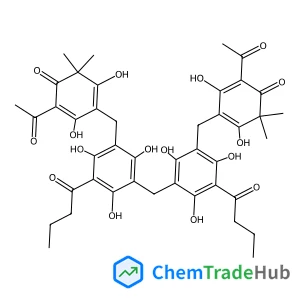
dryocrassin(CAS: 12777-70-7)
CAS Number
Related Products
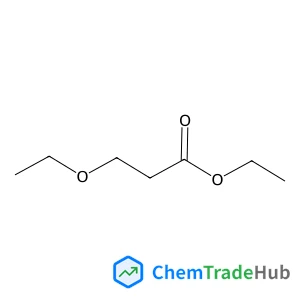
Ethyl 3-ethoxypropanoate
CAS Number: 763-69-9
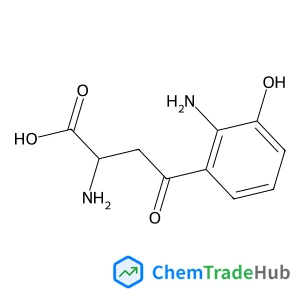
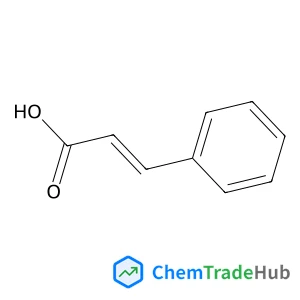
trans-Cinnamic acid
CAS Number: 140-10-3
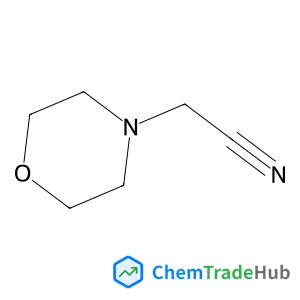
4-Morpholinylacetonitrile
CAS Number: 5807-02-3
![4-{[(2-amino-4-hydroxypteridin-6-yl)methyl]amino}benzoic acid](https://static.chemtradehub.com/structs/119/119-24-4-8084.webp)
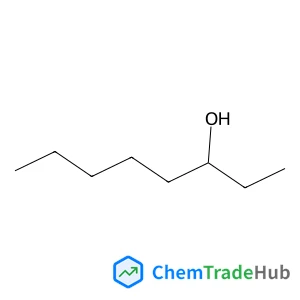
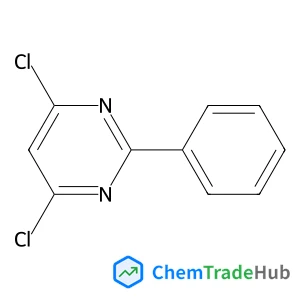
4,6-Dichloro-2-phenylpyrimidine
CAS Number: 3740-92-9
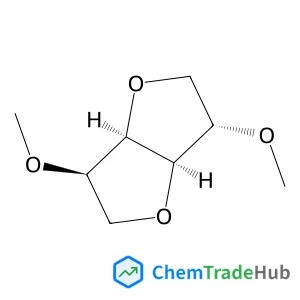
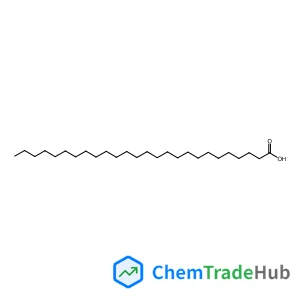
Hexacosanoic acid
CAS Number: 506-46-7
Other Suppliers for dryocrassin






Basic Information
Molecular Formula
C43H48O16
Molecular Weight
820.8 g/mol
Physical State
Yellow powder
Chemical Identifiers
SMILES
CCCC(=O)C1=C(C(=C(C(=C1O)CC2=C(C(C(=O)C(=C2O)C(=O)C)(C)C)O)O)CC3=C(C(=C(C(=C3O)C(=O)CCC)O)CC4=C(C(C(=O)C(=C4O)C(=O)C)(C)C)O)O)O
InChIKey
PRVKSKWNDSLRBY-UHFFFAOYSA-N
Database References
MDL Number
MFCD20527289
FAQ
Dryocrassin (CAS: 12777-70-7) falls under the regulatory guidelines of the Globally Harmonized System of Classification and Labelling of Chemicals (GHS), covering health and environmental hazards. It is also subject to the Registration, Evaluation, Authorization, and Restriction of Chemicals (REACH) regulations in the European Union, which require detailed safety data sheets (SDS) and risk assessment for industrial use. In the United States, the Environmental Protection Agency (EPA) and the Food and Drug Administration (FDA) may have specific labeling and handling requirements depending on its intended use.
While dryocrassin (CAS: 12777-70-7) is a specific compound, alternatives in synthesis can include analogs with similar chemical structures or isomers that offer similar properties. Common alternative reagents in organic synthesis include other known natural products or synthetic equivalents that can serve the same functional role. It is essential to consider the availability, cost, and safety profile of these alternatives.
Research trends for dryocrassin (CAS: 12777-70-7) are currently focused on its potential applications in biochemistry and pharmaceuticals. With increasing interest in natural product chemistry, there is a growing focus on understanding the biological activity and therapeutic potential of compounds like dryocrassin. Market trends suggest a demand for related compounds and their derivatives, driven by advancements in drug discovery and personalized medicine.
Waste containing dryocrassin (CAS: 12777-70-7) should be managed according to local regulations. Typically, it should be collected in appropriate containers and disposed of through professional waste disposal services that can handle hazardous chemicals. Incineration may be an option, but it should be conducted in an environmentally controlled incinerator. Environmental protection measures include ensuring no leakage or spillage to avoid contamination of soil and water. Proper training and personal protective equipment (PPE) are essential during handling and disposal.
Safety Notice
Please verify product specifications and safety data before use. Contact the supplier for detailed safety information.
Always follow proper handling procedures

Contact Information
Contact Person
Anpel Experimental
shanpel@anpel.com.cn
Mobile
15618996369
Visit Website
https://www.anpel.com.cn/Address
No. 59 Yehé Road, Songjiang District, Shanghai