



AD
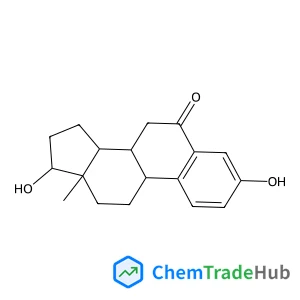
(17beta)-3,17-Dihydroxyestra-1,3,5(10)-trien-6-one(CAS: 571-92-6)
CAS Number
Related Products
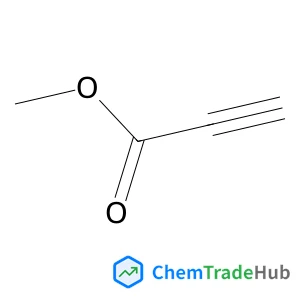
Methyl propiolate
CAS Number: 922-67-8
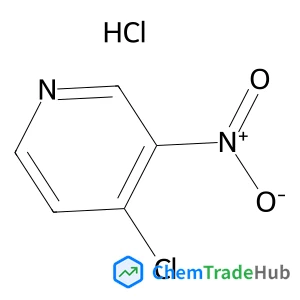
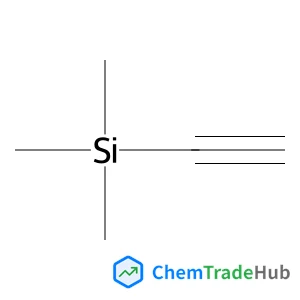
Ethynyl(trimethyl)silane
CAS Number: 1066-54-2
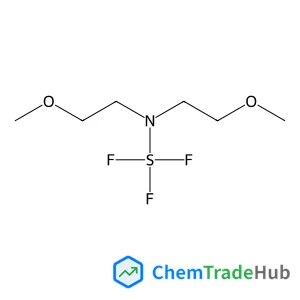
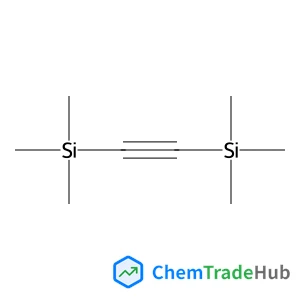
1,2-Ethynediylbis(trimethylsilane)
CAS Number: 14630-40-1
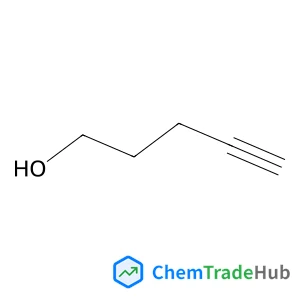
4-Pentyn-1-ol
CAS Number: 5390-04-5
![(2R)-4-Benzyl-2-{(1R)-1-[3,5-bis(trifluoromethyl)phenyl]ethoxy}-3-morpholinone](https://static.chemtradehub.com/structs/287/287930-75-0-5407.webp)
Other Suppliers for (17beta)-3,17-Dihydroxyestra-1,3,5(10)-trien-6-one





Basic Information
Molecular Formula
C18H22O3
Molecular Weight
286.37 g/mol
Physical Properties
Melting Point
281-283 °C
Boiling Point
478.9°Cat760mmHg
Density
1.249
Flash Point
257.5°C
Chemical Identifiers
SMILES
CC12CCC3C(C1CCC2O)CC(=O)C4=C3C=CC(=C4)O
InChIKey
ZHTDDOWJIRXOMA-YVEZLPLXSA-N
Database References
MDL Number
MFCD00056457
FAQ
The compound (17beta)-3,17-Dihydroxyestra-1,3,5(10)-trien-6-one (CAS: 571-92-6) is regulated under the Globally Harmonized System of Classification and Labelling of Chemicals (GHS), which includes classifications for health hazards, environmental hazards, and flammability. Additionally, it falls under the European Union's REACH regulations and may be subject to FDA and EPA regulations in the United States, particularly concerning its use in medical and pharmaceutical applications.
Alternatives to (17beta)-3,17-Dihydroxyestra-1,3,5(10)-trien-6-one (CAS: 571-92-6) include other steroid hormones and their derivatives, such as dihydrotestosterone or estradiol, which can be used as synthetic equivalents. Common alternative reagents include androstenedione and dehydroepiandrosterone (DHEA) in the synthesis of related compounds.
The market for (17beta)-3,17-Dihydroxyestra-1,3,5(10)-trien-6-one (CAS: 571-92-6) is driven by its use in research and development for hormone replacement therapy and anti-aging treatments. Research trends focus on understanding its bioavailability, metabolism, and potential therapeutic applications in reproductive health and sports medicine. The market is expected to grow as more studies validate its efficacy and safety.
Waste containing (17beta)-3,17-Dihydroxyestra-1,3,5(10)-trien-6-one (CAS: 571-92-6) should be collected in appropriate containers and disposed of through professional waste handling services. Incineration is a common method, but it must be conducted in an enclosed and properly regulated system to minimize environmental impact. Environmental protection measures include ensuring the waste is fully neutralized and the incineration process is monitored to comply with local and international environmental regulations.
Safety Notice
Please verify product specifications and safety data before use. Contact the supplier for detailed safety information.
Always follow proper handling procedures

Contact Information
Contact Person
Manager Liu
1203364456@qq.com
Mobile
18261923982
Visit Website
http://www.gzeggbio.com/Address
No. 3 Juguan Road, Kecheng High-tech Industrial Development Zone, Guangzhou International Entrepreneurship Incubator B Area B401, Guangzhou