



AD
1-Adamantanecarbaldehyde(CAS: 2094-74-8)
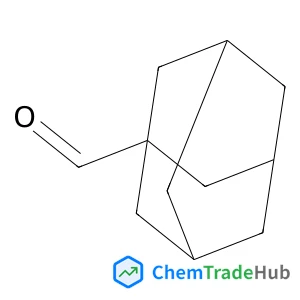
CAS Number
Related Products
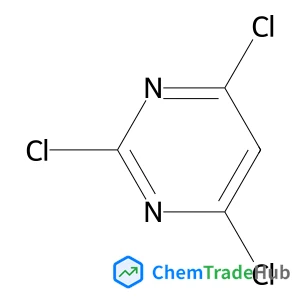
2,4,6-Trichloropyrimidine
CAS Number: 3764-01-0
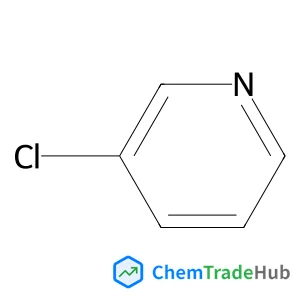
3-Chloropyridine
CAS Number: 626-60-8
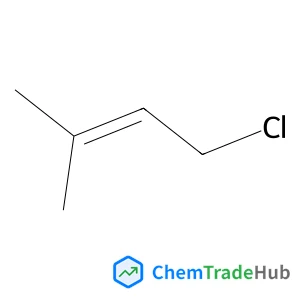
1-Chloro-3-methyl-2-butene
CAS Number: 503-60-6
![[(Diphenylmethyl)sulfanyl]acetic acid](https://static.chemtradehub.com/structs/635/63547-22-8-240c.webp)
[(Diphenylmethyl)sulfanyl]acetic acid
CAS Number: 63547-22-8
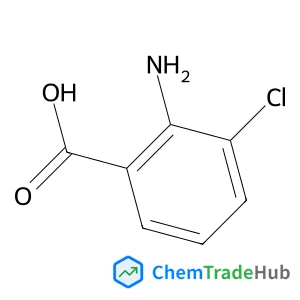
2-Amino-3-chlorobenzoic Acid
CAS Number: 6388-47-2
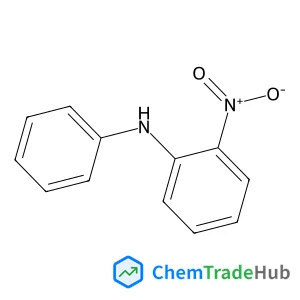
2-Nitro-N-phenylaniline
CAS Number: 119-75-5
![dicyclohexyl({2',6'-dimethoxy-[1,1'-biphenyl]-2-yl})phosphane](https://static.chemtradehub.com/structs/657/657408-07-6-9daa.webp)
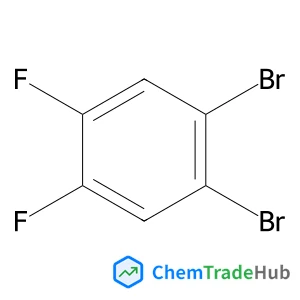
1,2-Dibromo-4,5-difluorobenzene
CAS Number: 64695-78-9
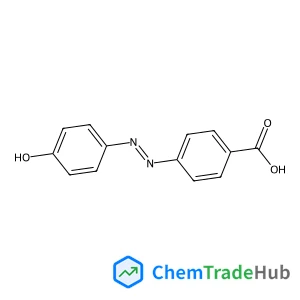
Other Suppliers for 1-Adamantanecarbaldehyde







Basic Information
Molecular Formula
C11H16O
Molecular Weight
164.25 g/mol
Physical Properties
Boiling Point
239 ºC
Flash Point
82 ºC
Chemical Identifiers
SMILES
O=CC1(CC2CC3CC(C2)C1)C3
InChIKey
DZULQZKFBAHSRX-UHFFFAOYSA-N
Database References
MDL Number
MFCD12031698
FAQ
1-Adamantanecarbaldehyde (CAS: 2094-74-8) is regulated under the Globally Harmonized System of Classification and Labelling of Chemicals (GHS) and is classified as a flammable liquid. In the European Union, it falls under the Registration, Evaluation, Authorization and Restriction of Chemicals (REACH) regulation. Additionally, the U.S. Environmental Protection Agency (EPA) and the Food and Drug Administration (FDA) may have specific requirements for its handling, storage, and disposal based on its intended use.
While 1-Adamantanecarbaldehyde (CAS: 2094-74-8) is a useful compound in organic synthesis, there are alternatives such as other alkyl ketones or aromatic aldehydes that can be used depending on the specific reaction conditions. For example, acetophenone or benzaldehyde can serve as substitutes in some synthesis protocols.
The market for 1-Adamantanecarbaldehyde (CAS: 2094-74-8) is currently stable, with a growing interest in its use as a precursor in organic synthesis due to its unique structural properties. Research trends indicate an increasing focus on its application in the development of novel pharmaceuticals and materials. The trend is expected to continue, driven by its potential in synthesizing complex organic molecules.
Waste containing 1-Adamantanecarbaldehyde (CAS: 2094-74-8) should be collected in a sealed, leak-proof container and stored in a well-ventilated area. Proper waste disposal should be arranged through a professional hazardous waste management company. Environmental protection precautions include ensuring that no spills occur, and that the waste is disposed of in compliance with local, state, and federal regulations to minimize environmental impact.
Safety Notice
Please verify product specifications and safety data before use. Contact the supplier for detailed safety information.
Always follow proper handling procedures
Contact Information
Contact Person
Mr. Shi
283431300@qq.com