



AD
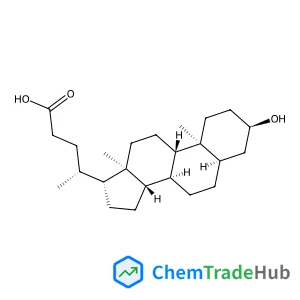
Lithocholic acid(CAS: 434-13-9)
CAS Number
Related Products
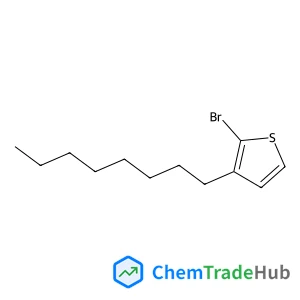
2-Bromo-3-octylthiophene
CAS Number: 145543-83-5
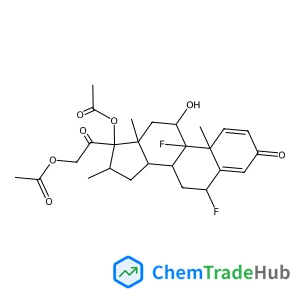
Diflorasone diacetate
CAS Number: 33564-31-7
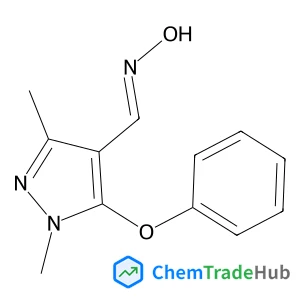
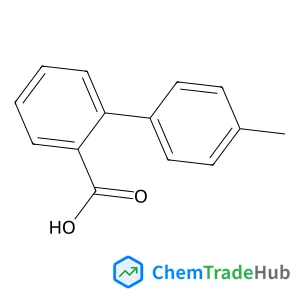
4'-Methyl-2-biphenylcarboxylic acid
CAS Number: 7148-03-0
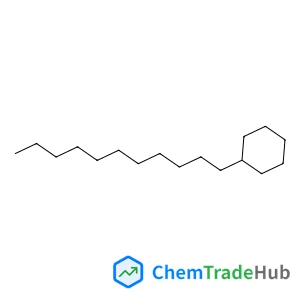
Undecylcyclohexane
CAS Number: 54105-66-7
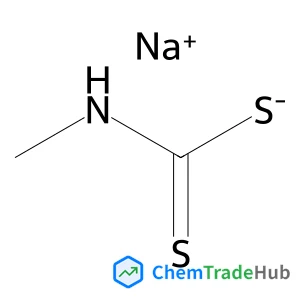
Metam Sodium
CAS Number: 137-42-8
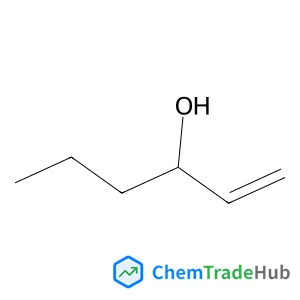
1-Hexen-3-ol
CAS Number: 4798-44-1
![(2S)-Amino[(5S)-3-chloro-4,5-dihydro-1,2-oxazol-5-yl]acetic acid](https://static.chemtradehub.com/structs/422/42228-92-2-8448.webp)
Other Suppliers for Lithocholic acid




Basic Information
Molecular Formula
C24H40O3
Molecular Weight
376.58 g/mol
Physical State
Powder
Physical Properties
Melting Point
183-188 °C (lit.)
Boiling Point
511℃/760mmHg
Flash Point
9℃
Chemical Identifiers
SMILES
C[C@H](CCC(O)=O)[C@H]1CC[C@@]2([H])[C@]3([H])CC[C@]4([H])C[C@H](O)CC[C@]4(C)[C@@]3([H])CC[C@]12C
InChIKey
SMEROWZSTRWXGI-HVATVPOCSA-N
Database References
MDL Number
MFCD00003682
FAQ
Lithocholic acid, with the CAS number 434-13-9, is a secondary bile acid found in the bile of some animals. It has the chemical formula C24H40O4 and is characterized by its hydrophobic properties and ability to act as a detergent in the digestive system. This compound is also known for its potential biological activities, including anti-inflammatory and anticancer properties.
Lithocholic acid is primarily used in pharmaceutical research for its potential therapeutic applications, such as in the development of drugs targeting liver diseases and cancer. It is also utilized in biochemical studies to investigate bile acid metabolism and in some industrial applications for its surfactant properties. Additionally, it serves as a research tool in studying the effects of bile acids on cellular processes.
Lithocholic acid is generally considered safe when used in controlled research settings. However, it may have toxic effects if ingested in high concentrations or exposed to skin and eyes. Proper handling, including the use of personal protective equipment, is recommended to ensure safety. Safety standards for handling this compound are typically outlined in laboratory guidelines and chemical safety data sheets.
Lithocholic acid should be stored in a cool, dry place away from light. It is best kept in a sealed container at a temperature below 25°C and in a humidity-controlled environment to maintain stability. Avoid exposure to air and moisture to prevent degradation. Proper storage is essential to ensure the compound remains effective and safe for use.
Safety Notice
Please verify product specifications and safety data before use. Contact the supplier for detailed safety information.
Always follow proper handling procedures
Contact Information
Contact Person
Jiang Kun
1273554466@qq.com