



AD
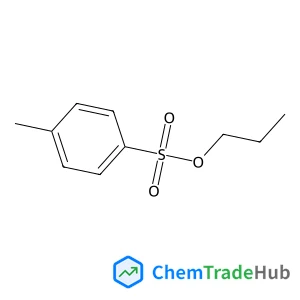
Propyl 4-methylbenzenesulfonate(CAS: 599-91-7)
CAS Number
Related Products
![2,2'-[(2-Amino-2-oxoethyl)imino]diacetic acid](https://static.chemtradehub.com/structs/262/26239-55-4-b3d0.webp)
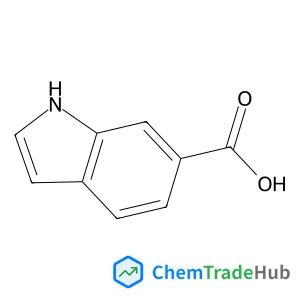
1H-Indole-6-carboxylic acid
CAS Number: 1670-82-2
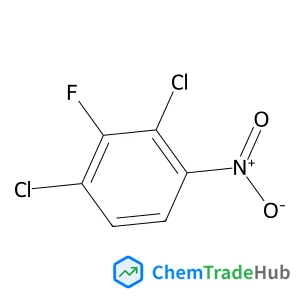
1,3-Dichloro-2-fluoro-4-nitrobenzene
CAS Number: 393-79-3
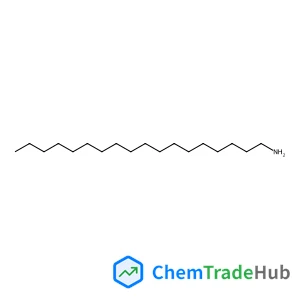
1-Octadecanamine
CAS Number: 124-30-1
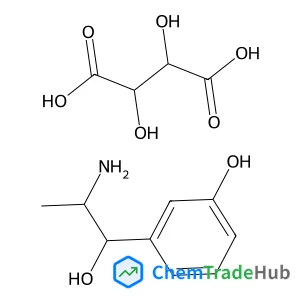
Metaraminol tartrate
CAS Number: 33402-03-8
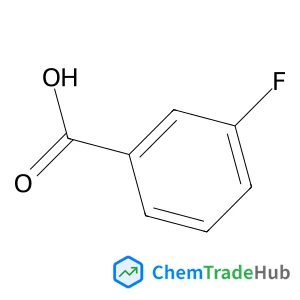
3-Fluorobenzoic acid
CAS Number: 455-38-9
Other Suppliers for Propyl 4-methylbenzenesulfonate





Basic Information
Molecular Formula
C10H14O3S
Molecular Weight
214.29 g/mol
Physical State
No data available
Physical Properties
Melting Point
No data available
Boiling Point
156°C/3mmHg(lit.)
Flash Point
147.8±19.3 °C
Chemical Identifiers
SMILES
CCCOS(=O)(=O)C1=CC=C(C=C1)C
InChIKey
JTTWNTXHFYNETH-UHFFFAOYSA-N
Database References
MDL Number
MFCD00059244
FAQ
Propyl 4-methylbenzenesulfonate (CAS: 599-91-7) should comply with REACH regulations for registration, evaluation, authorization, and restriction of chemical substances in the European Union. In the United States, it should adhere to FDA and EPA guidelines for chemical safety and environmental protection. Additionally, it must meet GHS (Globally Harmonized System of Classification and Labelling of Chemicals) classification and labelling standards for hazardous materials.
Yes, there are alternatives to Propyl 4-methylbenzenesulfonate in synthesis, such as methyl 4-methylbenzenesulfonate and ethyl 4-methylbenzenesulfonate. These can serve as effective reagents in similar reactions. Other common alternatives include toluene-4-sulfonic acid methyl ester and other aromatic sulfonates.
The market for Propyl 4-methylbenzenesulfonate (CAS: 599-91-7) shows steady growth, driven by its use in the pharmaceutical and agrochemical industries. Research trends are focusing on its application in drug synthesis and as a solvent in organic reactions. However, there is a growing emphasis on sustainable and eco-friendly alternatives, which may impact future demand.
Waste containing Propyl 4-methylbenzenesulfonate (CAS: 599-91-7) should be collected in sealed, labeled containers and disposed of through professional waste disposal services. Incineration is a common method, but it must be done in compliance with local environmental regulations. Environmental protection precautions include neutralizing any acidic or basic residues before disposal to minimize environmental impact.
Safety Notice
Please verify product specifications and safety data before use. Contact the supplier for detailed safety information.
Always follow proper handling procedures
Contact Information
Contact Person
Pules Han
2186883463@qq.com