



AD
1-Bromo-4-ethynylbenzene(CAS: 766-96-1)
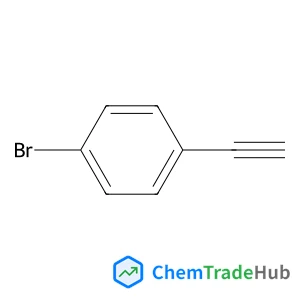
CAS Number
Related Products
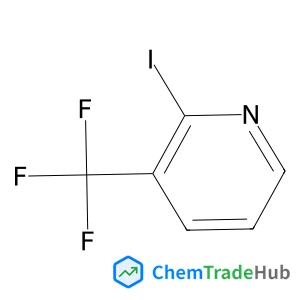
2-Iodo-3-(trifluoromethyl)pyridine
CAS Number: 927434-20-6
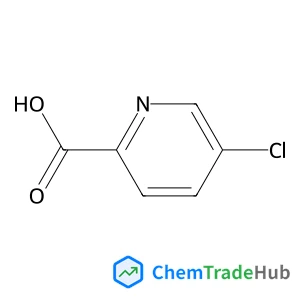
5-Chloro-2-pyridinecarboxylic acid
CAS Number: 86873-60-1
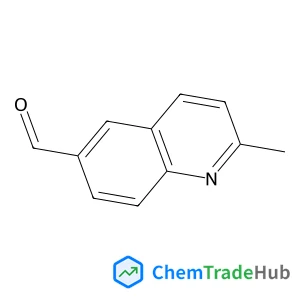
2-Methyl-6-quinolinecarbaldehyde
CAS Number: 108166-03-6
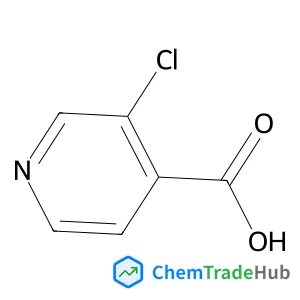
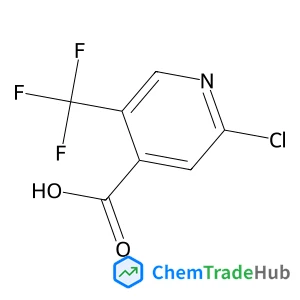
3-Chloroisonicotinic acid
CAS Number: 88912-27-0
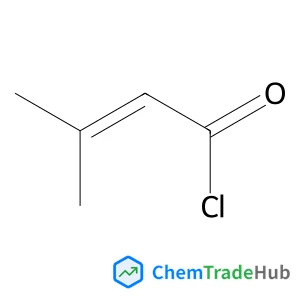
3-Methyl-2-butenoyl chloride
CAS Number: 3350-78-5
Other Suppliers for 1-Bromo-4-ethynylbenzene




Basic Information
Molecular Formula
C8H5Br
Molecular Weight
181.03 g/mol
Physical State
Pale-yellow to Yellow-brown Solid
Physical Properties
Melting Point
64.0 to 68.0 deg-C
Boiling Point
92°C/12mmHg(lit.)
Density
1.4255 (rough estimate)
Flash Point
88-90°C/16mm
Chemical Identifiers
SMILES
C#CC1=CC=C(C=C1)Br
InChIKey
LTLVZQZDXQWLHU-UHFFFAOYSA-N
Database References
MDL Number
MFCD00168822
Beilstein Registry Number
1209726
FAQ
1-Bromo-4-ethynylbenzene (CAS: 766-96-1) is subject to various regulatory guidelines. Under the Globally Harmonized System of Classification and Labelling of Chemicals (GHS), it may be classified as a flammable liquid and require specific labelling. In Europe, it falls under REACH regulations, requiring suppliers to register the substance if the quantity used exceeds certain thresholds. Regulatory bodies like FDA and EPA in the USA may also impose additional handling and disposal requirements. Always consult the latest safety data sheets (SDS) for detailed information.
Several alternatives to 1-Bromo-4-ethynylbenzene (CAS: 766-96-1) can be used in synthesis, depending on the desired properties. Common substitutes include 1-chloro-4-ethynylbenzene, 1-fluoro-4-ethynylbenzene, and 1-iodo-4-ethynylbenzene. These compounds can serve similar roles but may have different reactivity or stability. Always consider the specific requirements of the reaction and consult literature for optimal choices.
The market for 1-Bromo-4-ethynylbenzene (CAS: 766-96-1) is driven by its use in various organic syntheses and academic research. Recent trends show an increase in its application in developing novel materials and pharmaceuticals. Research is also focusing on green chemistry approaches to reduce the environmental impact of brominated compounds. Market dynamics are influenced by the availability of alternative reagents and the regulatory landscape. Continuous innovation and demand for more sustainable processes are key trends shaping its future use.
Waste containing 1-Bromo-4-ethynylbenzene (CAS: 766-96-1) should be collected in appropriate containers and stored in a well-ventilated area. Incineration is a common disposal method, but ensure it meets local regulations. Professional waste disposal services can provide guidance on specific disposal methods. Environmental protection measures include proper labeling, avoiding contact with water sources, and following local waste management guidelines. Always consult the latest safety data sheets (SDS) for detailed disposal instructions.
Safety Notice
Please verify product specifications and safety data before use. Contact the supplier for detailed safety information.
Always follow proper handling procedures
Contact Information
Contact Person
Miss Lan
sales@jiakangchem.com