



AD
2,6,8-Trimethyl-4-nonanol(CAS: 123-17-1)
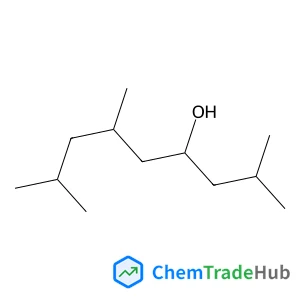
CAS Number
Related Products
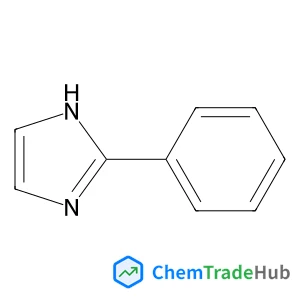
2-Phenyl-1H-imidazole
CAS Number: 670-96-2
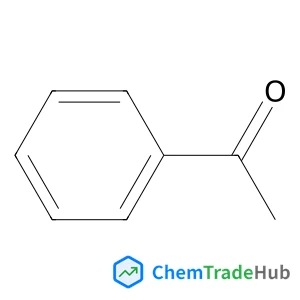
Acetophenone
CAS Number: 98-86-2
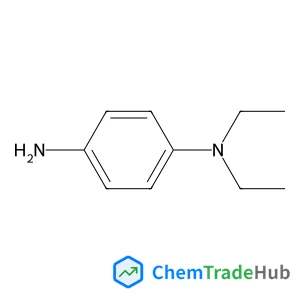
N,N-Diethyl-p-phenylenediamine
CAS Number: 93-05-0
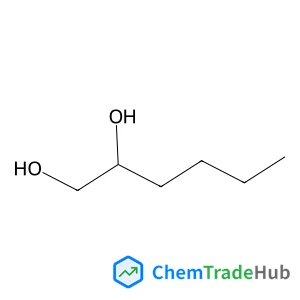
1,2-Hexanediol
CAS Number: 6920-22-5
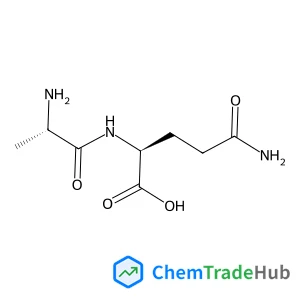
L-Alanyl-L-Glutamine
CAS Number: 39537-23-0
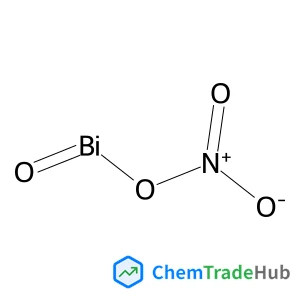
Bismuth subnitrate
CAS Number: 10361-46-3
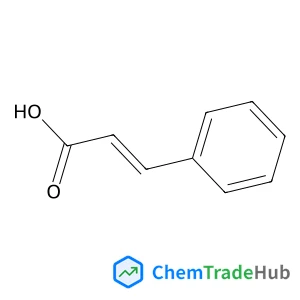
Cinnamic Acid
CAS Number: 621-82-9
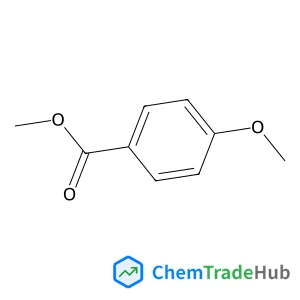
Methyl 4-methoxybenzoate
CAS Number: 121-98-2
Other Suppliers for 2,6,8-Trimethyl-4-nonanol





Basic Information
Molecular Formula
C12H26O
Molecular Weight
186.34 g/mol
Physical Properties
Melting Point
-59.9°C
Boiling Point
113°C/20mmHg(lit.)
Flash Point
200°C
Chemical Identifiers
SMILES
CC(C)CC(C)CC(CC(C)C)O
InChIKey
LFEHSRSSAGQWNI-UHFFFAOYSA-N
Database References
MDL Number
MFCD00026491
Beilstein Registry Number
1840251
FAQ
2,6,8-Trimethyl-4-nonanol (CAS 123-17-1) is a colorless liquid with a slight odor. Its molecular weight is approximately 178.27 g/mol. It is moderately soluble in water but miscible with most organic solvents. This compound is relatively stable under normal conditions but reacts with strong oxidizing agents. It has a boiling point of 235°C and a melting point of -45°C.
2,6,8-Trimethyl-4-nonanol is typically synthesized by reducing a ketone precursor, such as 2,6,8-trimethyl-4-nonenone, using a reducing agent like lithium aluminum hydride (LAH) or sodium borohydride. The reaction is carried out under anhydrous conditions to prevent side reactions. The yield is generally high, and the product can be purified by distillation.
2,6,8-Trimethyl-4-nonanol (CAS 123-17-1) is used in various industries. It is a key component in the formulation of fragrances and flavorings due to its distinctive odor. It also finds applications in the pharmaceutical industry as a solvent and in the production of semiconductors as a precursor. Additionally, it is used in the polymer industry as a modifier to improve the physical properties of plastics and in the production of sensors.
When handling 2,6,8-Trimethyl-4-nonanol (CAS 123-17-1), it is essential to wear appropriate personal protective equipment (PPE), such as gloves, goggles, and a laboratory coat. Work should be conducted in a well-ventilated area or a fume hood to minimize inhalation risks. Spills should be cleaned up immediately using appropriate absorbent materials, and the area should be thoroughly rinsed with water. Always refer to the Safety Data Sheet (SDS) for detailed handling instructions and emergency procedures.
Safety Notice
Please verify product specifications and safety data before use. Contact the supplier for detailed safety information.
Always follow proper handling procedures
Contact Information
shbh1202@126.com