



AD
1H-Indene-1,3(2H)-dione(CAS: 606-23-5)
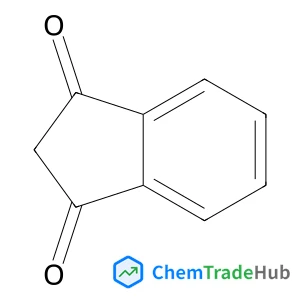
CAS Number
Related Products
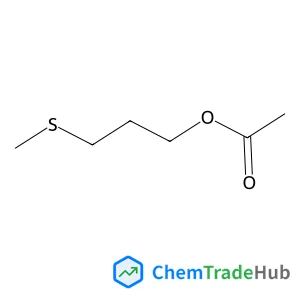
3-(Methylsulfanyl)propyl acetate
CAS Number: 16630-55-0
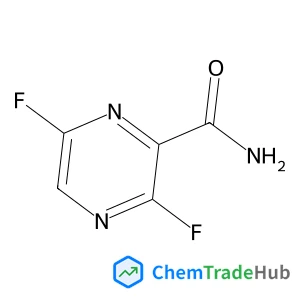
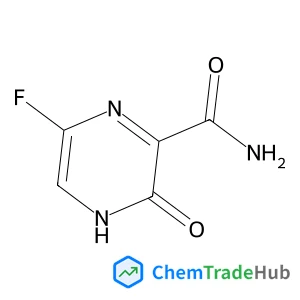
3,6-Difluoro-2-pyrazinecarboxamide
CAS Number: 356783-29-4
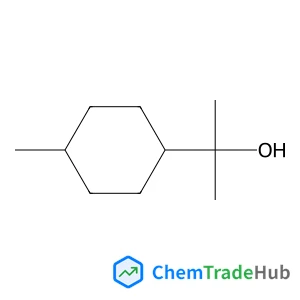
Dihydro-α-terpineol
CAS Number: 498-81-7

Copper(1+) sulfidocopper
CAS Number: 22205-45-4
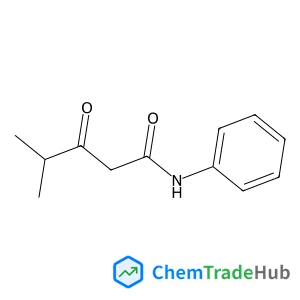
Atorvastatin Impurity 56
CAS Number: 124401-38-3
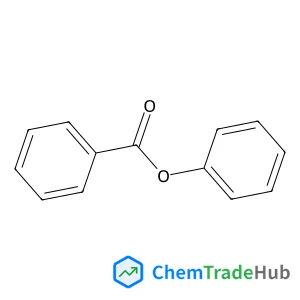
Phenyl Benzoate
CAS Number: 93-99-2
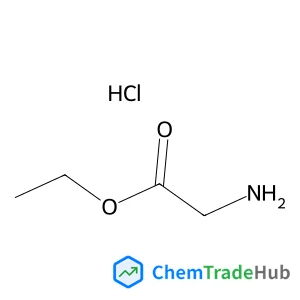
Glycine ethyl ester monohydrochloride
CAS Number: 623-33-6

Pentafluoroethanesulfonic acid
CAS Number: 354-88-1
Other Suppliers for 1H-Indene-1,3(2H)-dione


Basic Information
Molecular Formula
C9H6O2
Molecular Weight
146.14 g/mol
Physical Properties
Melting Point
129.0 to 134.0 deg-C
Boiling Point
283℃ at 760 mmHg
Density
1.370(lit.)
Flash Point
133.4℃
Water Solubility
Soluble in ethanol, ether, benzene, slightly soluble in water.
Chemical Identifiers
SMILES
C1C(=O)C2=CC=CC=C2C1=O
InChIKey
UHKAJLSKXBADFT-UHFFFAOYSA-N
Database References
MDL Number
MFCD00003779
Beilstein Registry Number
1210061
FAQ
1H-Indene-1,3(2H)-dione (CAS: 606-23-5) should comply with the GHS classification, which includes hazard communication and storage requirements. In the EU, it is regulated under REACH, requiring registration and reporting of quantities manufactured, imported, or stored. FDA and EPA regulations also apply for its use in pharmaceuticals and environmental handling, respectively.
Alternatives to 1H-Indene-1,3(2H)-dione include similar aromatic compounds such as 1,3-diketones like acetophenone or benzophenone. These can serve as substitutes in certain synthetic processes, offering similar reactivity and properties but with different structural features.
The market for 1H-Indene-1,3(2H)-dione (CAS: 606-23-5) is growing due to its applications in pharmaceuticals, dyes, and functional materials. Research trends focus on its use as a precursor in the synthesis of advanced polymers and as a catalyst in various organic reactions. Additionally, there is increasing interest in its environmental impact and sustainable production methods.
Waste containing 1H-Indene-1,3(2H)-dione (CAS: 606-23-5) should be collected in labeled containers and disposed of through professional waste disposal services that comply with local regulations. Incineration under controlled conditions is a common method, but other options like chemical destruction or immobilization should be considered based on the waste volume and local environmental regulations. Proper documentation and disposal records are essential.
Safety Notice
Please verify product specifications and safety data before use. Contact the supplier for detailed safety information.
Always follow proper handling procedures
Contact Information
1018283355@qq.com
Mobile
15172537016
Telephone
027-59503710
Fax
QQ联系更便捷,QQ:1018283355,1018289922
Visit Website
http://www.xinhonglichem.com