



AD
Nickel(2+) di(2-naphthoate)(CAS: 61788-71-4)
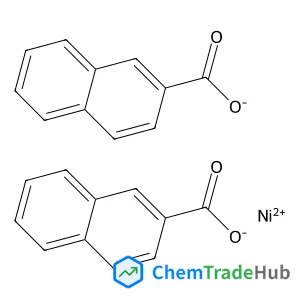
CAS Number
Related Products
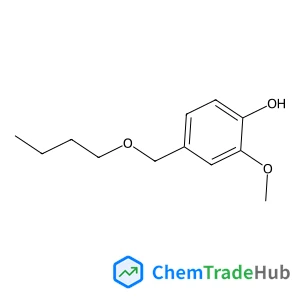
4-(Butoxymethyl)-2-methoxyphenol
CAS Number: 82654-98-6
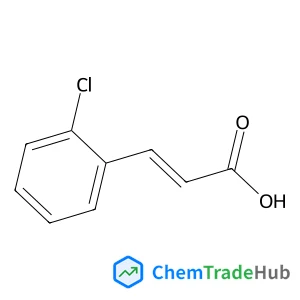
3-(2-Chlorophenyl)acrylic acid
CAS Number: 3752-25-8
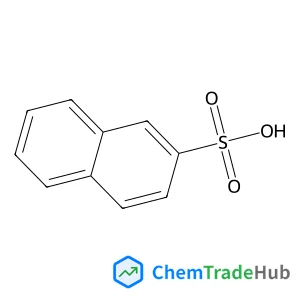
2-Naphthalenesulfonic acid
CAS Number: 120-18-3
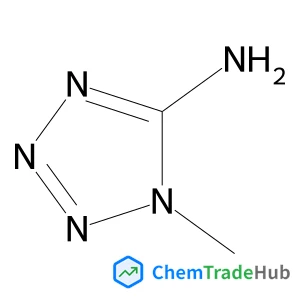
1-Methyl-1H-tetrazol-5-amine
CAS Number: 5422-44-6
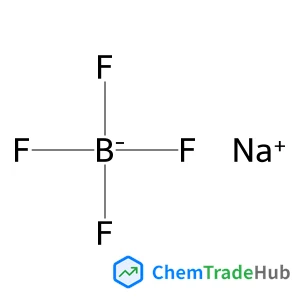
Sodium tetrafluoroborate
CAS Number: 13755-29-8
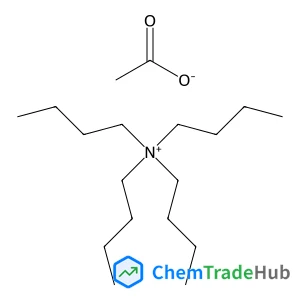
N,N,N-Tributyl-1-butanaminium acetate
CAS Number: 10534-59-5
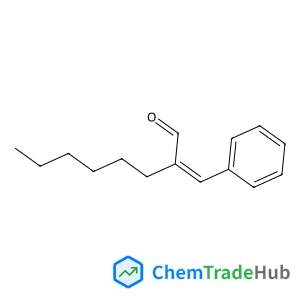
2-(phenylmethylidene)octanal
CAS Number: 101-86-0
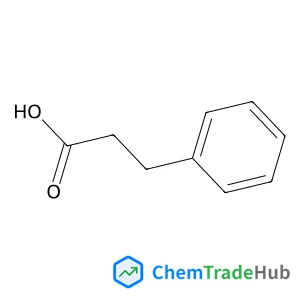
3-Phenylpropanoic acid
CAS Number: 501-52-0
Other Suppliers for Nickel(2+) di(2-naphthoate)



Basic Information
Molecular Formula
C22H14NiO4
Molecular Weight
401 g/mol
Physical Properties
Melting Point
> 100 C
Boiling Point
°Cat760mmHg
Flash Point
combustible
Water Solubility
Insoluble in water.
Chemical Identifiers
SMILES
C1=CC=C2C=C(C=CC2=C1)C(=O)[O-].C1=CC=C2C=C(C=CC2=C1)C(=O)[O-].[Ni+2]
InChIKey
UIEKYBOPAVTZKW-UHFFFAOYSA-L
Database References
MDL Number
MFCD00147723
FAQ
Nickel(2+) di(2-naphthoate) (CAS: 61788-71-4) falls under the regulatory guidelines of the Globally Harmonized System of Classification and Labelling of Chemicals (GHS) for its handling and labeling. In Europe, it is subject to the REACH regulations, which require registration, evaluation, and authorization of substances. The FDA and EPA also regulate its use and disposal in the United States, particularly concerning environmental protection and safety in the workplace.
Several alternatives to Nickel(2+) di(2-naphthoate) (CAS: 61788-71-4) are available in synthesis, including other transition metal complexes such as complexes of cobalt, rhodium, or palladium. Additionally, organic catalysts like organocatalysts and metal-free catalysts are increasingly being explored as sustainable alternatives in the field of catalysis and organic synthesis.
The market for Nickel(2+) di(2-naphthoate) (CAS: 61788-71-4) continues to see growth, particularly in the areas of catalysis and coordination chemistry. Research trends are focusing on its application in homogeneous catalysis, particularly in the hydrogenation and oxidation reactions. There is also growing interest in its use as a ligand in various chemical reactions and as a precursor for the synthesis of other coordination compounds.
Waste containing Nickel(2+) di(2-naphthoate) (CAS: 61788-71-4) should be collected in appropriate sealed containers and disposed of through professional waste disposal services. Incineration or other chemical methods should be employed for treatment, ensuring that any nickel compounds are properly neutralized or oxidized. Environmental protection precautions, such as adhering to local and international regulations on waste disposal, should be strictly followed to prevent contamination of soil and water.
Safety Notice
Please verify product specifications and safety data before use. Contact the supplier for detailed safety information.
Always follow proper handling procedures
Contact Information
2355935181@ycphar.com