



AD
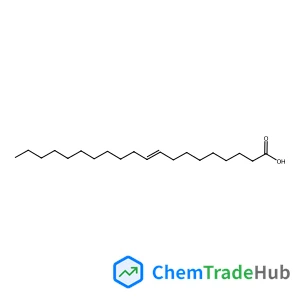
(9E)-9-Icosenoic acid(CAS: 506-31-0)
CAS Number
Related Products
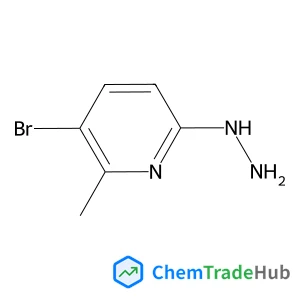
3-Bromo-6-hydrazinyl-2-methylpyridine
CAS Number: 39919-66-9
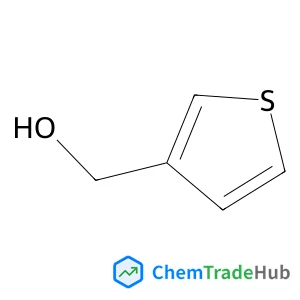
3-Thienylmethanol
CAS Number: 71637-34-8
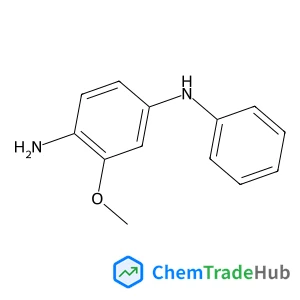
3-Methoxy-N1-phenylbenzene-1,4-diamine
CAS Number: 5840-10-8
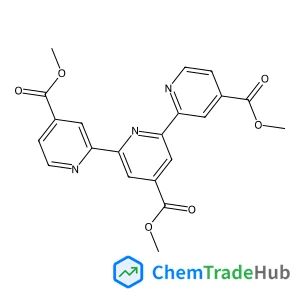
![5-Isoquinolinesulfonamide, N-[2-[[3-(4-bromophenyl)-2-propen-1-yl]amino]ethyl]-](https://static.chemtradehub.com/structs/127/127243-85-0-0f72.webp)
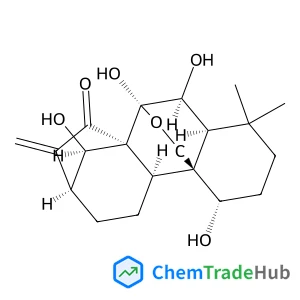
Oridonin
CAS Number: 28957-04-2
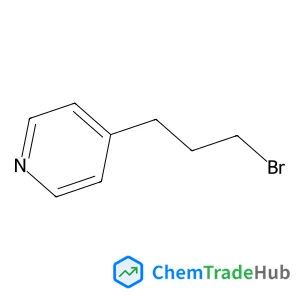
4-(3-Bromopropyl)pyridine
CAS Number: 40337-66-4
Other Suppliers for (9E)-9-Icosenoic acid


Basic Information
Molecular Formula
C20H38O2
Molecular Weight
310.52 g/mol
Physical Properties
Melting Point
23°C
Boiling Point
419.84°C (estimate)
Chemical Identifiers
SMILES
CCCCCCCCCCC=CCCCCCCCC(=O)O
InChIKey
LQJBNNIYVWPHFW-VAWYXSNFSA-N
Database References
MDL Number
MFCD13185926
FAQ
The regulatory guidelines applicable to (9E)-9-Icosenoic acid (CAS: 506-31-0) include the Globally Harmonized System of Classification and Labelling of Chemicals (GHS), which classifies it as a non-hazardous substance. In the European Union, it is regulated under REACH, requiring suppliers to register chemicals that meet the tonnage threshold. Additionally, the Food and Drug Administration (FDA) and Environmental Protection Agency (EPA) may have specific requirements for its use in pharmaceuticals and environmental releases, respectively.
There are several alternatives to (9E)-9-Icosenoic acid (CAS: 506-31-0) in synthesis, including other carboxylic acids with similar functional groups. Common substitutes include palmitoleic acid and vaccenic acid, which can be used as precursors in similar reactions. These alternatives may offer similar properties and reactivity, making them suitable for various synthetic pathways.
The market for (9E)-9-Icosenoic acid (CAS: 506-31-0) is currently stable, with increasing research interest in its potential applications in cosmetics and pharmaceuticals. Recent trends indicate growing demand for natural and biocompatible compounds. Research is focusing on the acid’s role as an anti-inflammatory agent and its use in skin care products. Market analysts predict continued growth driven by these emerging applications.
Waste containing (9E)-9-Icosenoic acid (CAS: 506-31-0) should be collected in appropriate containers and stored in a cool, well-ventilated area. For disposal, it can be neutralized and then incinerated or treated as a hazardous waste. Environmental protection precautions include ensuring that all discharges meet local regulations and that proper protective equipment is used during handling to avoid exposure. Specialized waste disposal services are recommended for large volumes or complex waste streams.
Safety Notice
Please verify product specifications and safety data before use. Contact the supplier for detailed safety information.
Always follow proper handling procedures
Contact Information
2355265332@qq.com