



AD
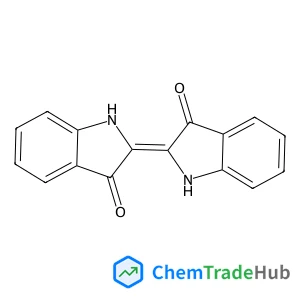
(2E)-2-(3-Oxo-1,3-dihydro-2H-indol-2-ylidene)-1,2-dihydro-3H-indol-3-one(CAS: 482-89-3)
CAS Number
Related Products
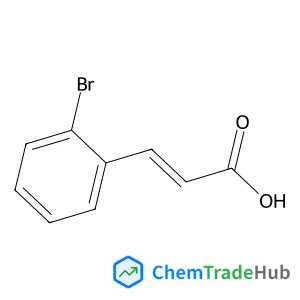
3-(2-Bromophenyl)acrylic acid
CAS Number: 7499-56-1

Silicic acid
CAS Number: 14807-96-6
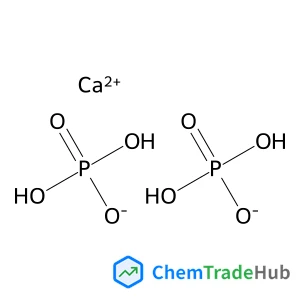
Calcium bis(dihydrogen phosphate)
CAS Number: 7758-23-8
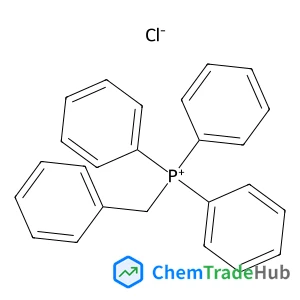
Benzyl(triphenyl)phosphonium chloride
CAS Number: 1100-88-5
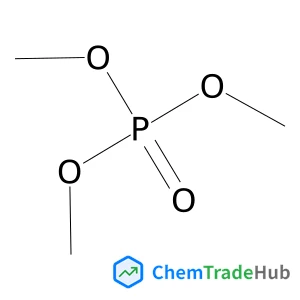
Trimethyl phosphate
CAS Number: 512-56-1
![0.1mol/L Sodium Thiosulfate Solution [CRM]](https://static.chemtradehub.com/structs/777/7772-98-7-a5e2.webp)

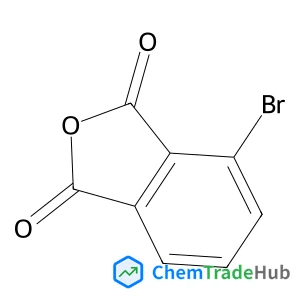
4-Bromo-2-benzofuran-1,3-dione
CAS Number: 82-73-5
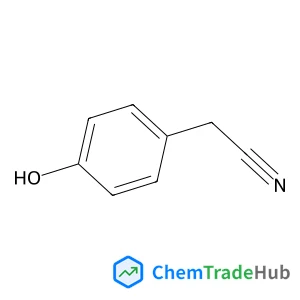
5-Carbamimidamido-2-oxopentanoic acid
CAS Number: 14191-95-8
Other Suppliers for (2E)-2-(3-Oxo-1,3-dihydro-2H-indol-2-ylidene)-1,2-dihydro-3H-indol-3-one

Basic Information
Molecular Formula
C16H10N2O2
Molecular Weight
262.27 g/mol
Physical State
Blue powder
Physical Properties
Melting Point
>300 °C (lit.)
Boiling Point
400.4°C at 760 mmHg
Water Solubility
<0.1 g/100 mL
Chemical Identifiers
SMILES
O=C1C(NC2=CC=CC=C12)=C1NC2=CC=CC=C2C1=O
InChIKey
COHYTHOBJLSHDF-BUHFOSPRSA-N
Database References
MDL Number
MFCD00005722
FAQ
This compound is a synthetic organic molecule with the chemical formula C13H10N2O2. It features a complex indole ring system with conjugated double bonds and ketone functionalities, making it a key intermediate in pharmaceutical and research applications. Its structural characteristics include aromaticity and potential for biological activity, though specific properties may vary based on synthesis conditions.
Primarily used as a synthetic building block in pharmaceutical research, this compound is involved in the development of drugs targeting neurological and metabolic disorders. It also serves in organic synthesis for creating complex heterocyclic structures and may find applications in agrochemicals or materials science, depending on functional group modifications.
While generally considered low in acute toxicity, proper handling is essential. Wear gloves, goggles, and a lab coat when working with this compound. It should be managed in a well-ventilated area to avoid inhalation risks. Safety standards emphasize avoiding skin contact and ensuring compliance with OSHA guidelines for chemical exposure.
Store in a cool (≤25°C), dark, and dry place in tightly sealed glass containers. Protect from moisture and light exposure to maintain stability. Keep away from incompatible substances and ensure proper ventilation. Long-term storage requires controlled environmental conditions to prevent degradation.
Safety Notice
Please verify product specifications and safety data before use. Contact the supplier for detailed safety information.
Always follow proper handling procedures
Contact Information
Contact Person
Miss Zhu
Fax
021-52910816
Visit Website
https://www.jjlchem.comAddress
No. 1301, 2052 North Zhongshan Road, Shanghai