



AD
Cupric Hydroxide(CAS: 20427-59-2)

CAS Number
Related Products
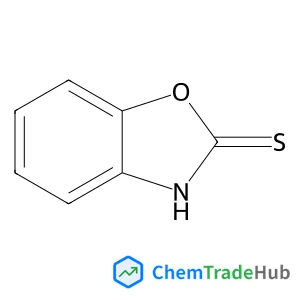
1,3-Benzoxazole-2-thiol
CAS Number: 2382-96-9


(8E,10E)-8,10-Dodecadien-1-ol
CAS Number: 33956-49-9

2-Bromo-5-(trifluoromethyl)thiazole
CAS Number: 1209458-80-9

N-Nitroso-N-methylurea
CAS Number: 684-93-5
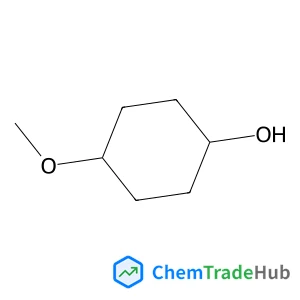
4-Methoxycyclohexanol
CAS Number: 18068-06-9

1-methyl-1H-1,2,3,4-tetrazole-5-thiol
CAS Number: 13183-79-4

Potassium sulfide (K(SH))
CAS Number: 1310-61-8
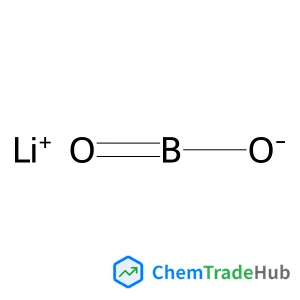
lithium;oxido(oxo)borane
CAS Number: 13453-69-5
Other Suppliers for Cupric Hydroxide




Basic Information
Molecular Formula
CuH2O2
Molecular Weight
97.56 g/mol
Physical Properties
Melting Point
160ºC
Boiling Point
100ºC at 760 mmHg
Flash Point
°C
Water Solubility
Slightly soluble in waterSoluble in acids, ammonium hydroxide, dilute hydrochloric acid, concentrated alkali and potassium cyanide. Insoluble in water, ethanol, and acetone.
Chemical Identifiers
SMILES
[OH-].[OH-].[Cu+2]
InChIKey
JJLJMEJHUUYSSY-UHFFFAOYSA-L
Database References
MDL Number
MFCD00010968
FAQ
Cupric hydroxide is a chemical compound with the formula Cu(OH)₂. It is a blue-green solid that is insoluble in water. This compound is commonly used as a pigment and in various industrial applications. It has a high pH and is a basic compound, often appearing as a precipitate in aqueous solutions.
Cupric hydroxide is widely used in the production of ceramics, glass, and pigments. It also serves as a precursor for other copper compounds in chemical synthesis. In the pharmaceutical industry, it can be used as an antiseptic or in some drug formulations. Additionally, it finds applications in electroplating and as a catalyst in certain reactions.
Cupric hydroxide is generally considered safe when handled properly, but it may cause skin and eye irritation. Inhalation of its dust can be harmful, so protective equipment such as gloves, goggles, and a dust mask should be used. It is classified as a substance with low acute toxicity but should be kept away from children and not ingested. Safety standards recommend following OSHA and EPA guidelines for its use and disposal.
Cupric hydroxide should be stored in a cool, dry, and well-ventilated area, away from moisture and light. It is best kept in a sealed, airtight container made of glass or plastic to prevent contamination. Due to its hygroscopic nature, exposure to humidity can affect its stability. Always store it in a location that is inaccessible to children and follow proper chemical storage protocols.
Safety Notice
Please verify product specifications and safety data before use. Contact the supplier for detailed safety information.
Always follow proper handling procedures
Contact Information
1438280055@qq.com
Mobile
13476235517
Telephone
13476235517
Fax
QQ:1438280055;1248980011
Visit Website
http://www.xin-api.com