



AD
2-Pyridinethiol 1-oxide(CAS: 1121-31-9)
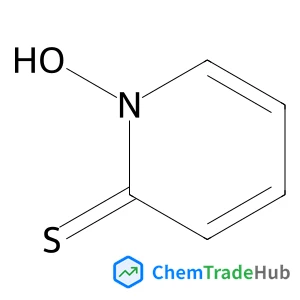
CAS Number
Related Products

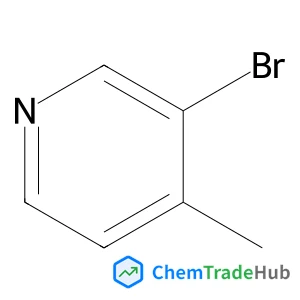
3-bromo-4-methylpyridine
CAS Number: 3430-22-6

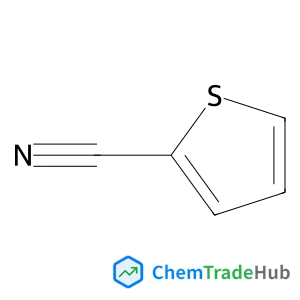
2-Thiophenecarbonitrile
CAS Number: 1003-31-2
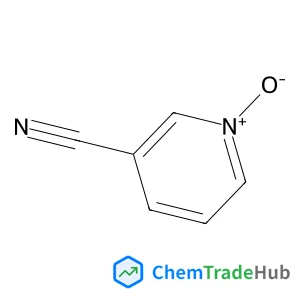
Nicotinonitrile 1-oxide
CAS Number: 149060-64-0
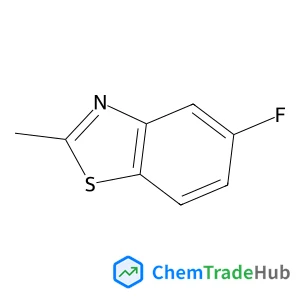
5-Fluoro-2-methyl-1,3-benzothiazole
CAS Number: 399-75-7
![1,3-Bis[3-(dimethylamino)propyl]urea](https://static.chemtradehub.com/structs/523/52338-87-1-1d07.webp)
1,3-Bis[3-(dimethylamino)propyl]urea
CAS Number: 52338-87-1
Other Suppliers for 2-Pyridinethiol 1-oxide



Basic Information
Molecular Formula
C5H5NOS
Molecular Weight
127.17 g/mol
Physical Properties
Melting Point
70.0 to 73.0 deg-C
Boiling Point
253.8°Cat760mmHg
Flash Point
107.3°C
Chemical Identifiers
SMILES
C1=CC(=S)N(C=C1)O
InChIKey
FGVVTMRZYROCTH-UHFFFAOYSA-N
Database References
MDL Number
MFCD00006196
Beilstein Registry Number
109936
FAQ
2-Pyridinethiol 1-oxide (CAS: 1121-31-9) is classified under the Globally Harmonized System of Classification and Labelling of Chemicals (GHS) as a skin and eye irritant. It must comply with REACH regulations in the European Union, which require registration for substances above 1 tonne per year. For the United States, the Environmental Protection Agency (EPA) and the Food and Drug Administration (FDA) have specific handling and reporting requirements for chemicals, including documentation of the proper disposal methods.
There are alternative reagents that can be used in the synthesis of compounds similar to 2-Pyridinethiol 1-oxide (CAS: 1121-31-9). For instance, 2-pyridinecarboxaldehyde and thiosemicarbazide can be used as precursors to synthesize other thiosemicarbazones. These alternatives can offer similar functional groups and reactivity profiles, but their selection depends on the specific requirements of the synthetic route.
The research trend for 2-Pyridinethiol 1-oxide (CAS: 1121-31-9) is focused on its application in various industries, including pharmaceuticals, where it is used as a precursor for synthesizing antitumor and antibacterial agents. Additionally, there is growing interest in its use as a ligand in coordination chemistry and materials science. Market trends suggest increasing demand due to its potential in developing new therapeutic agents and materials with specific properties.
Waste containing 2-Pyridinethiol 1-oxide (CAS: 1121-31-9) should be collected in appropriate containers, labeled as hazardous, and stored in a well-ventilated area away from sources of ignition. Upon disposal, it should be incinerated in an appropriately equipped facility or handled by a professional waste disposal service that specializes in hazardous waste. Proper precautions, such as wearing personal protective equipment, should be taken to prevent skin and eye contact, and spill cleanup should follow local and international regulations to minimize environmental impact.
Safety Notice
Please verify product specifications and safety data before use. Contact the supplier for detailed safety information.
Always follow proper handling procedures
Contact Information
15050866711@163.com