



AD
Copper(2+) 2,3-dihydroxysuccinate hydrate (1:1:1)(CAS: 17263-56-8)
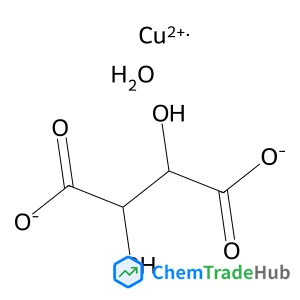
CAS Number
Related Products
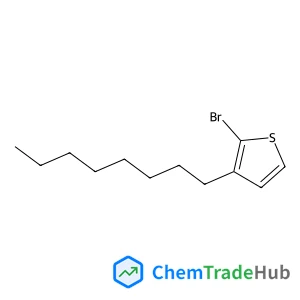
2-Bromo-3-octylthiophene
CAS Number: 145543-83-5
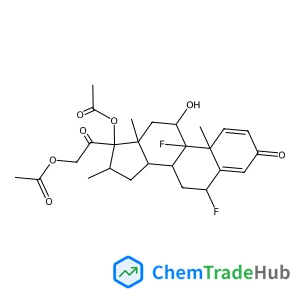
Diflorasone diacetate
CAS Number: 33564-31-7
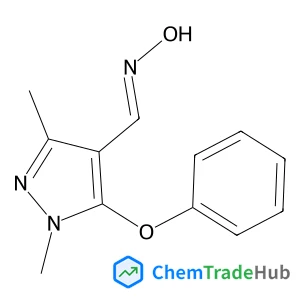
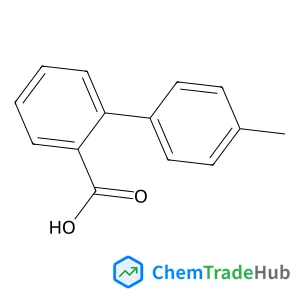
4'-Methyl-2-biphenylcarboxylic acid
CAS Number: 7148-03-0
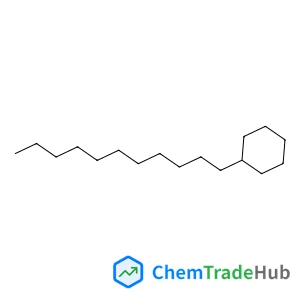
Undecylcyclohexane
CAS Number: 54105-66-7
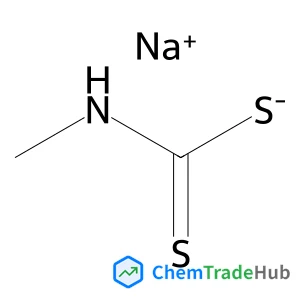
Metam Sodium
CAS Number: 137-42-8
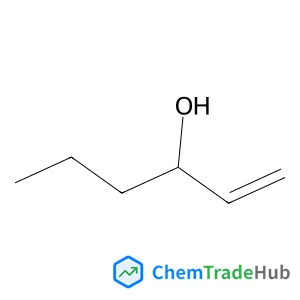
1-Hexen-3-ol
CAS Number: 4798-44-1
![(2S)-Amino[(5S)-3-chloro-4,5-dihydro-1,2-oxazol-5-yl]acetic acid](https://static.chemtradehub.com/structs/422/42228-92-2-8448.webp)
Other Suppliers for Copper(2+) 2,3-dihydroxysuccinate hydrate (1:1:1)





Basic Information
Molecular Formula
C4H6CuO7
Molecular Weight
229.63 g/mol
Physical Properties
Melting Point
~275 °C (dec.)(lit.)
Boiling Point
399.3°C at 760 mmHg
Density
1.1200
Chemical Identifiers
SMILES
C(C(C(=O)[O-])O)(C(=O)[O-])O.O.[Cu+2]
InChIKey
MAUZTCHAIPUZJB-UHFFFAOYSA-L
Database References
MDL Number
MFCD31010394
FAQ
Copper(2+) 2,3-dihydroxysuccinate hydrate (CAS: 17263-56-8) should comply with the Globally Harmonized System of Classification and Labelling of Chemicals (GHS), REACH regulations for European manufacturers and importers, as well as FDA and EPA requirements in the United States. Specific safety data sheets (SDS) should be prepared and adhered to for proper handling and storage.
There are several alternatives to Copper(2+) 2,3-dihydroxysuccinate hydrate (CAS: 17263-56-8) in synthesis, such as other copper complexes, organic ligands, and transition metal compounds. These alternatives can serve similar functions in catalysis and coordination chemistry, depending on the specific application.
Research on Copper(2+) 2,3-dihydroxysuccinate hydrate (CAS: 17263-56-8) is focused on its applications in catalysis, coordination chemistry, and bioinorganic chemistry. Market trends show increasing interest in the development of sustainable and efficient metal complexes for various chemical transformations.
Waste containing Copper(2+) 2,3-dihydroxysuccinate hydrate (CAS: 17263-56-8) should be collected in appropriate containers, labeled with the correct hazardous material indicators, and disposed of through a professional waste disposal service that complies with local environmental regulations. Incineration should be performed with caution to avoid the release of toxic gases, and all disposal methods should prioritize environmental safety.
Safety Notice
Please verify product specifications and safety data before use. Contact the supplier for detailed safety information.
Always follow proper handling procedures
Contact Information
Contact Person
Jiang Kun
1273554466@qq.com