



AD
cycloocta-1,5-diene;dichlororuthenium(CAS: 50982-12-2)
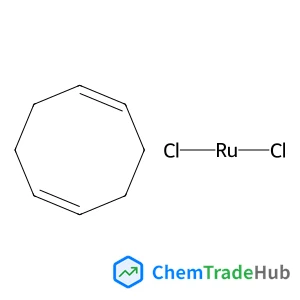
CAS Number
Related Products
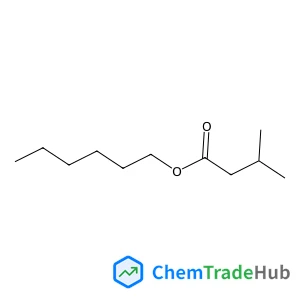
Butanoic acid, 3-methyl-, hexyl ester
CAS Number: 10032-13-0
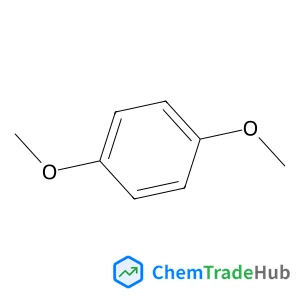
1,4-Dimethoxybenzene
CAS Number: 150-78-7
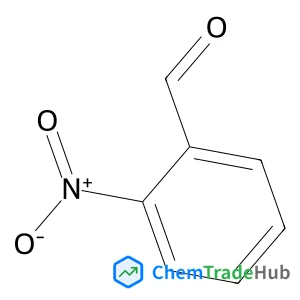
2-Nitrobenzaldehyde
CAS Number: 552-89-6
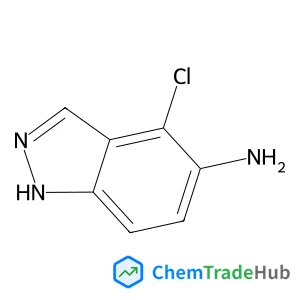
4-Chloro-1H-indazol-5-amine
CAS Number: 1082041-33-5
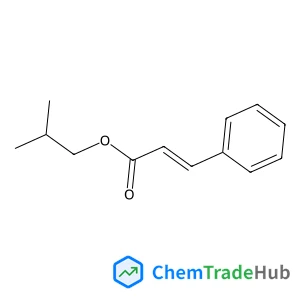
Isobutyl 3-phenylacrylate
CAS Number: 122-67-8
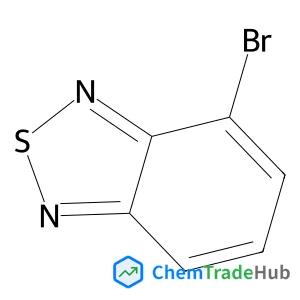
4-Bromo-2,1,3-benzothiadiazole
CAS Number: 22034-13-5
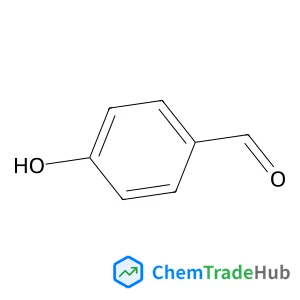
4-Hydroxybenzaldehyde
CAS Number: 123-08-0
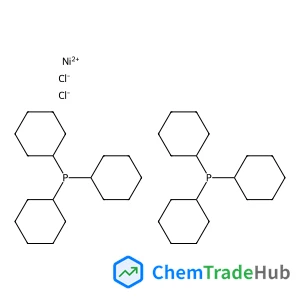
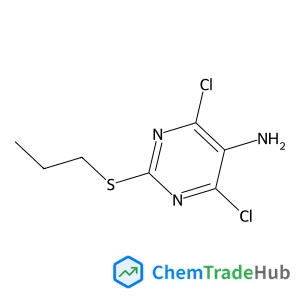
Other Suppliers for cycloocta-1,5-diene;dichlororuthenium



Basic Information
Molecular Formula
C8H12Cl2Ru
Molecular Weight
280.16 g/mol
Physical Properties
Melting Point
293°C
Flash Point
31.7℃
Chemical Identifiers
SMILES
C1CC=CCCC=C1.Cl[Ru]Cl
InChIKey
DMRVBCXRFYZCPR-UHFFFAOYSA-L
Database References
MDL Number
MFCD00171304
FAQ
Cycloocta-1,5-diene;dichlororuthenium (CAS: 50982-12-2) is subject to the Globally Harmonized System of Classification and Labelling of Chemicals (GHS) and is classified as a hazardous substance due to its reactivity. It is also regulated under the REACH regulations in the EU, which require manufacturers and importers to register substances with the European Chemicals Agency (ECHA) if they meet certain tonnage thresholds. Additionally, the U.S. Food and Drug Administration (FDA) and Environmental Protection Agency (EPA) have specific guidelines for the handling and disposal of this compound to ensure safety and environmental protection.
While cycloocta-1,5-diene;dichlororuthenium (CAS: 50982-12-2) is a highly effective catalyst in certain reactions, there are several alternatives that can be used in synthesis. For instance, ruthenium complexes such as [Ru(bpy)3]2+ (tris(bipyridine)ruthenium(II)) are often used as alternative catalysts in homogeneous catalysis. Other alternatives include palladium-based catalysts and transition metal complexes that can achieve similar catalytic effects under different reaction conditions.
Cycloocta-1,5-diene;dichlororuthenium (CAS: 50982-12-2) is currently a focus in the development of efficient and environmentally friendly catalytic systems. Research trends are moving towards understanding its reactivity and exploring its applications in a broader range of chemical reactions. The market is also showing an increasing interest in sustainable chemistry, which could drive further innovation and adoption of this compound in various industries, including pharmaceuticals, agrochemicals, and fine chemicals.
Waste containing cycloocta-1,5-diene;dichlororuthenium (CAS: 50982-12-2) should be handled with caution due to its hazardous nature. It is recommended to collect waste liquids in appropriate containers and ensure proper labeling. For solid waste, it should be stored in a secure, well-ventilated area. The waste should be disposed of by a licensed hazardous waste management company through incineration or other professional waste disposal methods. Environmental protection precautions, such as minimizing exposure and ensuring proper containment, are crucial to prevent any potential contamination of the environment.
Safety Notice
Please verify product specifications and safety data before use. Contact the supplier for detailed safety information.
Always follow proper handling procedures
Contact Information
Contact Person
Mr. Li
ysy@gaolangchemical.com