



AD
Ethyl 2-(3-cyano-4-hydroxyphenyl)-4-methyl-1,3-thiazole-5-carboxylate(CAS: 161798-02-3)
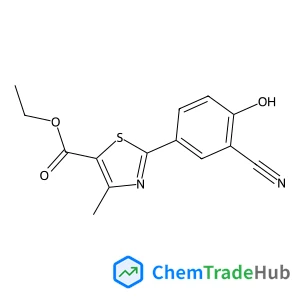
CAS Number
Related Products
![4-Sulfothiacalix[4]arene sodium salt](https://static.chemtradehub.com/structs/211/211561-04-5-c419.webp)
4-Sulfothiacalix[4]arene sodium salt
CAS Number: 211561-04-5
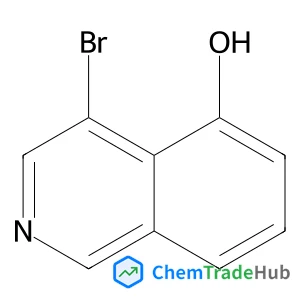
4-Bromoisoquinolin-5-ol
CAS Number: 651310-41-7
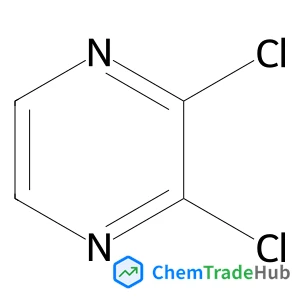
2,3-dichloropyrazine
CAS Number: 4858-85-9
![3-[4-(Aminomethyl)-1,3-thiazol-2-yl]aniline](https://static.chemtradehub.com/structs/885/885280-76-2-68fa.webp)
![Sodium 6-methyl-2-thioxo-5,6,7,8-tetrahydro-2H-pyrido[4,3-d]pyrimidin-4a-ide](https://static.chemtradehub.com/structs/125/1255717-42-0-d896.webp)
![{(2S,6R)-4-Benzyl-6-[(benzyloxy)methyl]-2-morpholinyl}methanol](https://static.chemtradehub.com/structs/158/1581750-87-9-8b86.webp)
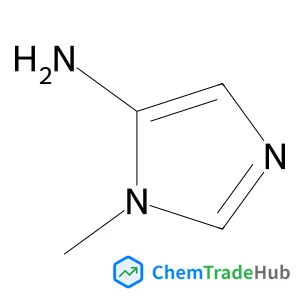
1-Methyl-1H-imidazol-5-amine
CAS Number: 66787-75-5
![(1R)-2-{[(2-Methyl-2-propanyl)oxy]carbonyl}-5-(methylsulfonyl)-1-isoindolinecarboxylic acid](https://static.chemtradehub.com/structs/210/2101238-70-2-41e6.webp)
Other Suppliers for Ethyl 2-(3-cyano-4-hydroxyphenyl)-4-methyl-1,3-thiazole-5-carboxylate


Basic Information
Molecular Formula
C14H12N2O3S
Molecular Weight
288.32 g/mol
Physical State
Powder
Chemical Identifiers
SMILES
CCOC(=O)C1=C(N=C(S1)C2=CC(=C(C=C2)O)C#N)C
InChIKey
WTMZFYPEMMFHPR-UHFFFAOYSA-N
Database References
MDL Number
MFCD15144699
FAQ
Ethyl 2-(3-cyano-4-hydroxyphenyl)-4-methyl-1,3-thiazole-5-carboxylate (CAS: 161798-02-3) is subject to regulatory guidelines under the Globally Harmonized System (GHS) for classification and labelling of chemicals. In Europe, it must comply with the Registration, Evaluation, Authorisation and Restriction of Chemicals (REACH) regulations. For food additives, it should meet FDA and EPA requirements. Specific safety data sheets (SDS) and manufacturer guidelines must be consulted for detailed handling instructions.
Several alternatives can be considered in the synthesis of Ethyl 2-(3-cyano-4-hydroxyphenyl)-4-methyl-1,3-thiazole-5-carboxylate. Common substitutes include other thiazole derivatives and their analogous compounds. Isomers and analogs like 4-methyl-1,3-thiazole-5-carboxylic acid and 3-cyano-4-hydroxybenzyl alcohol can also serve as viable alternatives. Additionally, alternative reagents such as acetyl chloride can be used to modify the synthesis process.
The market for Ethyl 2-(3-cyano-4-hydroxyphenyl)-4-methyl-1,3-thiazole-5-carboxylate (CAS: 161798-02-3) is driven by its use in pharmaceutical and agricultural applications. Recent research trends focus on its potential as a mild acid catalyst and its role in developing new pesticides. Price trends indicate a steady demand, with fluctuations based on supply chain and raw material availability. Emerging studies are exploring its biodegradability and eco-friendliness.
Waste containing Ethyl 2-(3-cyano-4-hydroxyphenyl)-4-methyl-1,3-thiazole-5-carboxylate (CAS: 161798-02-3) should be collected in appropriate containers and stored in a well-ventilated area. Incineration is a common method for disposal, ensuring proper temperature and oxygen levels to minimize emissions. For professional waste disposal, consult local regulations and contract with certified waste management companies. Environmental protection measures include proper labeling and documentation, and adherence to safety guidelines to prevent contamination and exposure risks.
Safety Notice
Please verify product specifications and safety data before use. Contact the supplier for detailed safety information.
Always follow proper handling procedures

Contact Information
3004779232@qq.com
Mobile
18013972705
Telephone
025-66061636
Visit Website
http://www.aikonchem.com/