



AD
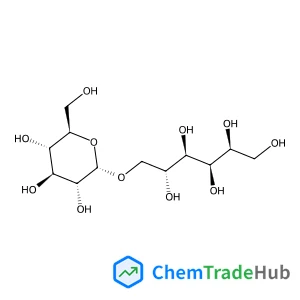
6-O-alpha-D-Glucopyranosyl-D-glucitol(CAS: 534-73-6)
CAS Number
Related Products
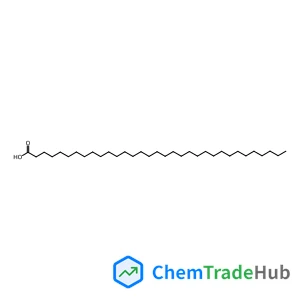
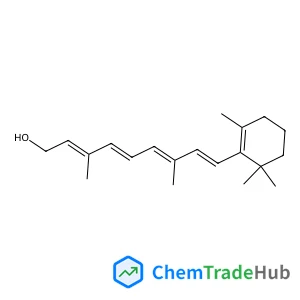
Tritriacontanoic acid
CAS Number: 8063-16-9
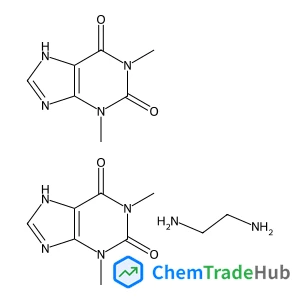
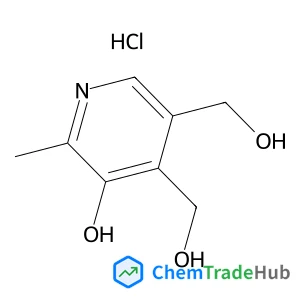
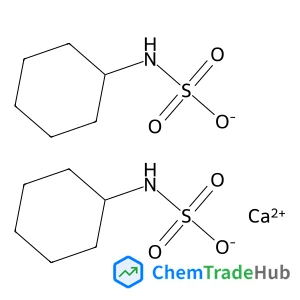
Calcium bis(cyclohexylsulfamate)
CAS Number: 139-06-0
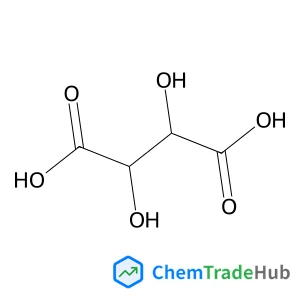
Tartaric acid
CAS Number: 868-14-4
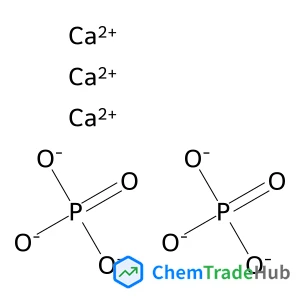
Calcium Phosphate
CAS Number: 7758-87-4
Other Suppliers for 6-O-alpha-D-Glucopyranosyl-D-glucitol


Basic Information
Molecular Formula
C12H24O11
Molecular Weight
344.31 g/mol
Physical Properties
Melting Point
131-141°C
Boiling Point
788.5°Cat760mmHg
Density
1.69
Flash Point
430.7°C
Chemical Identifiers
SMILES
OC[C@@H]([C@H]([C@@H]([C@@H](CO[C@@H]1[C@@H]([C@H]([C@@H]([C@@H](CO)O1)O)O)O)O)O)O)O
InChIKey
SERLAGPUMNYUCK-YJOKQAJESA-N
Database References
MDL Number
MFCD00083636
FAQ
6-O-alpha-D-Glucopyranosyl-D-glucitol (CAS: 534-73-6) should comply with the Globally Harmonized System of Classification and Labelling of Chemicals (GHS), REACH regulations, and FDA/EPA requirements for food additives and pharmaceuticals. Specific classifications include flammability, reactivity, and toxicity categories.
Alternatives to 6-O-alpha-D-Glucopyranosyl-D-glucitol (CAS: 534-73-6) include other saccharides and glycosides. Common substitutes in synthetic chemistry include other glucose derivatives and similar glycosidic compounds, which can offer similar functional properties but with different reactivity profiles.
The market for 6-O-alpha-D-Glucopyranosyl-D-glucitol (CAS: 534-73-6) is growing due to its use in pharmaceuticals and functional foods. Research trends focus on its potential in diabetes management, nutraceuticals, and as a natural sweetener. Market dynamics include increasing demand and price stability.
Waste containing 6-O-alpha-D-Glucopyranosyl-D-glucitol (CAS: 534-73-6) should be collected in sealed containers and disposed of through professional waste disposal services. Incineration or other environmentally friendly disposal methods should be considered, following local waste management regulations to minimize environmental impact.
Safety Notice
Please verify product specifications and safety data before use. Contact the supplier for detailed safety information.
Always follow proper handling procedures