AD
4,4'-Dibromo-2,2’-diiodobiphenyl(CAS: 852138-89-7)

CAS Number
Related Products
![(2R)-2,7,8-Trimethyl-2-[(4R,8R)-4,8,12-trimethyltridecyl]-6-chromanol](https://static.chemtradehub.com/structs/54-/54-28-4-155c.webp)
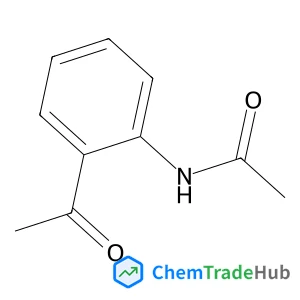
N-(2-Acetylphenyl)acetamide
CAS Number: 5234-26-4

1-Pyrrolidinesulfonyl chloride
CAS Number: 1689-02-7
![3-Hexyl-2-[3-(3-hexyl-1,3-benzoxazol-2(3H)-ylidene)-1-propen-1-yl]-1,3-benzoxazol-3-ium iodide](https://static.chemtradehub.com/structs/532/53213-82-4-e483.webp)

4-Bromoaniline hydrochloride (1:1)
CAS Number: 624-19-1

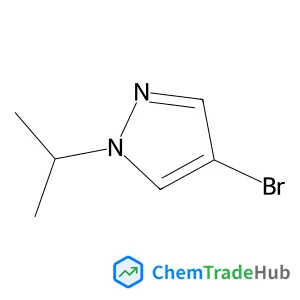
4-Bromo-1-isopropyl-1H-pyrazole
CAS Number: 313735-62-5

Other Suppliers for 4,4'-Dibromo-2,2’-diiodobiphenyl




Basic Information
Molecular Formula
C12H6Br2I2
Molecular Weight
563.8 g/mol
Physical Properties
Melting Point
93.0 to 97.0 deg-C
Boiling Point
477.6℃ at 760 mmHg
Density
2.438
Chemical Identifiers
SMILES
IC1=CC(Br)=CC=C1C2=CC=C(Br)C=C2I
InChIKey
JPXBIAWPJOGFCF-UHFFFAOYSA-N
Database References
MDL Number
MFCD14582983
FAQ
4,4'-Dibromo-2,2’-diiodobiphenyl (CAS: 852138-89-7) falls under various regulatory guidelines. Under the Globally Harmonized System of Classification and Labelling of Chemicals (GHS), it may be classified as a hazardous substance due to its bromine and iodine content. In the European Union, it must comply with REACH regulations, which require pre-market registration of chemicals. The U.S. Environmental Protection Agency (EPA) and the Food and Drug Administration (FDA) have specific guidelines for the handling, storage, and disposal of such compounds to prevent environmental and health risks.
In synthesis, alternatives to 4,4'-Dibromo-2,2’-diiodobiphenyl (CAS: 852138-89-7) include using monobromo or monoiodo substituted biphenyl precursors. Common reagents like bromine and iodine can be used in different ratios or with other functional groups to achieve similar effects. Researchers often explore green chemistry approaches such as using milder conditions or eco-friendly solvents to avoid the use of highly reactive or toxic reagents.
The market for 4,4'-Dibromo-2,2’-diiodobiphenyl (CAS: 852138-89-7) is driven by its applications in pharmaceuticals, dyes, and materials science. Recent research trends focus on developing more efficient and environmentally friendly synthesis methods. There is growing interest in exploring the use of this compound in the development of new materials with unique optical and electronic properties. Additionally, there is a trend towards reducing the environmental impact of its production and disposal, aligning with global sustainability goals.
Waste containing 4,4'-Dibromo-2,2’-diiodobiphenyl (CAS: 852138-89-7) should be handled by collecting it in compatible, leak-proof containers and storing them in a secure, well-ventilated area. For disposal, the waste should undergo incineration or professional waste treatment facilities that adhere to environmental protection standards. It is crucial to follow local and international regulations for hazardous waste disposal to prevent environmental contamination and ensure worker safety. Proper documentation and labeling are essential throughout the process.
Safety Notice
Please verify product specifications and safety data before use. Contact the supplier for detailed safety information.
Always follow proper handling procedures