



AD
Diphenylcarbamic chloride(CAS: 83-01-2)
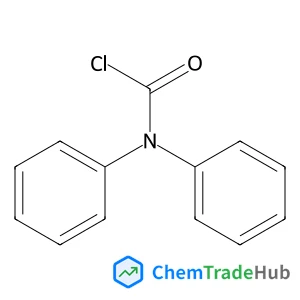
CAS Number
Related Products
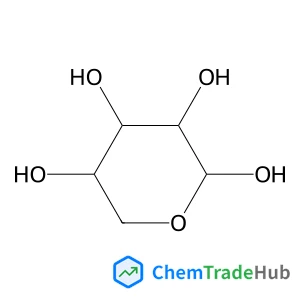
beta-L-Ribopyranose
CAS Number: 87-72-9
![Magnesium bis{3-[(4-nitrobenzyl)oxy]-3-oxopropanoate}](https://static.chemtradehub.com/structs/839/83972-01-4-2c85.webp)
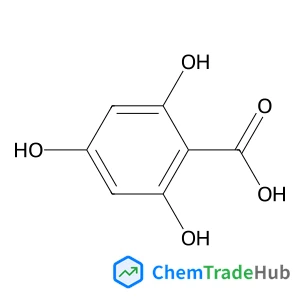
2,4,6-trihydroxybenzoic acid
CAS Number: 83-30-7
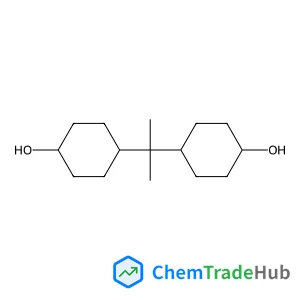
4,4'-(2,2-Propanediyl)dicyclohexanol
CAS Number: 80-04-6
Other Suppliers for Diphenylcarbamic chloride




Basic Information
Molecular Formula
C13H10ClNO
Molecular Weight
231.68 g/mol
Physical Properties
Melting Point
82.0 to 86.0 deg-C
Boiling Point
207°C (rough estimate)
Density
1.1781 (rough estimate)
Flash Point
361.8 °C at 760 mmHg
Chemical Identifiers
SMILES
C1=CC=C(C=C1)N(C2=CC=CC=C2)C(=O)Cl
InChIKey
XNBKKRFABABBPM-UHFFFAOYSA-N
Database References
MDL Number
MFCD00000633
Beilstein Registry Number
515312
FAQ
Diphenylcarbamic chloride (CAS: 83-01-2) falls under several regulatory guidelines. It is classified under the GHS as a skin and eye irritant. In the EU, it is regulated under REACH, requiring registration and authorization for certain uses. The FDA and EPA may also have specific requirements regarding its handling, storage, and disposal, particularly due to its potential to pose environmental hazards.
There are alternative reagents that can be used in similar reactions to Diphenylcarbamic chloride (CAS: 83-01-2). Alternatives like diphenylcarbamite or other carbamoyl reagents can be considered. However, the choice of alternative depends on the specific reaction conditions, availability, and cost. It is important to evaluate each option for its safety and effectiveness.
The market for Diphenylcarbamic chloride (CAS: 83-01-2) is driven by its use in pharmaceuticals, agrochemicals, and as a reagent in organic synthesis. Research trends show an ongoing interest in its synthesis and applications, particularly in developing new drugs and pesticides. However, due to environmental and health concerns, there is a growing emphasis on safer and more sustainable alternatives.
Waste containing Diphenylcarbamic chloride (CAS: 83-01-2) should be collected in appropriate containers and stored separately to prevent contamination. It should be disposed of through professional waste disposal services, following local and international regulations. Environmental protection measures should include proper incineration or chemical treatment to ensure complete degradation and minimize environmental impact.
Safety Notice
Please verify product specifications and safety data before use. Contact the supplier for detailed safety information.
Always follow proper handling procedures
Contact Information
holiyangchem@163.com