



AD
Calcium chloride hydrate (1:2:1)(CAS: 7774-34-7)
CAS Number
Related Products

Barium carbonate
CAS Number: 513-77-9
Other Suppliers for Calcium chloride hydrate (1:2:1)


Basic Information
Molecular Formula
H2CaCl2O
Molecular Weight
206.98 g/mol
EINECS
616-496-2
Physical Properties
Melting Point
30 °C
Density
1.71 g/mL at 25 °C(lit.)
Water Solubility
5360 g/L (20 ºC)
Chemical Identifiers
SMILES
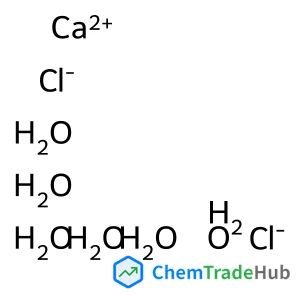
O.O.O.O.O.O.[Cl-].[Cl-].[Ca+2]
InChIKey
YMIFCOGYMQTQBP-UHFFFAOYSA-L
Database References
MDL Number
MFCD00149616
FAQ
Calcium chloride hydrate (1:2:1) is a chemical compound with the formula CaCl2·H2O. It is a white crystalline solid that is highly soluble in water, commonly used as a desiccant and drying agent. This hydrate form maintains a 1:2:1 ratio of calcium, chloride, and water molecules, ensuring stability and reactivity in various applications.
Calcium chloride hydrate (1:2:1) is widely used in pharmaceuticals as an electrolyte supplement, in industrial processes for moisture control, and in the food industry as a preservative and firming agent. It also serves as a coagulant in tofu production, a curing agent for concrete, and a component in laboratory chemical synthesis. Its hygroscopic nature makes it valuable in desiccation and brine applications.
Calcium chloride hydrate (1:2:1) is generally safe when handled properly, but it can cause skin and eye irritation. Inhalation or ingestion of large amounts may lead to health risks, so protective measures like gloves and ventilation are recommended. It is approved for food use by regulatory agencies like the FDA and follows safety standards for industrial handling, ensuring low toxicity in controlled environments.
Calcium chloride hydrate (1:2:1) should be stored in a cool, dry place in airtight containers to prevent moisture absorption. It is stable at room temperature but may degrade if exposed to high humidity or temperature fluctuations. Avoid direct light exposure and ensure storage areas are well-ventilated to maintain safety and product integrity.
Safety Notice
Please verify product specifications and safety data before use. Contact the supplier for detailed safety information.
Always follow proper handling procedures