



AD
Adenosine 5'-(trihydrogen diphosphate)(CAS: 58-64-0)
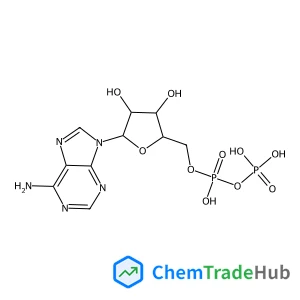
CAS Number
Related Products
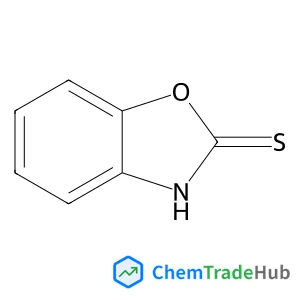
1,3-Benzoxazole-2-thiol
CAS Number: 2382-96-9
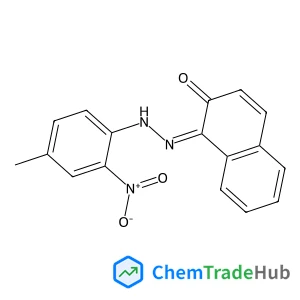
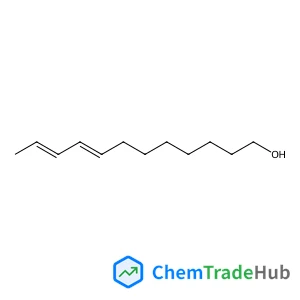
(8E,10E)-8,10-Dodecadien-1-ol
CAS Number: 33956-49-9

2-Bromo-5-(trifluoromethyl)thiazole
CAS Number: 1209458-80-9
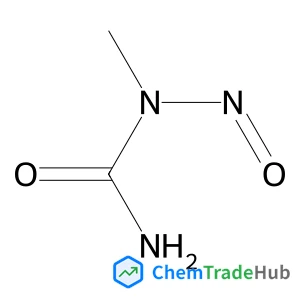
N-Nitroso-N-methylurea
CAS Number: 684-93-5
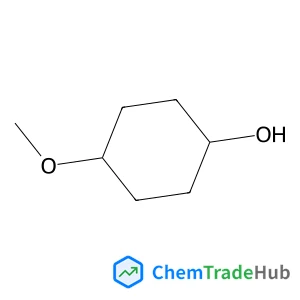
4-Methoxycyclohexanol
CAS Number: 18068-06-9
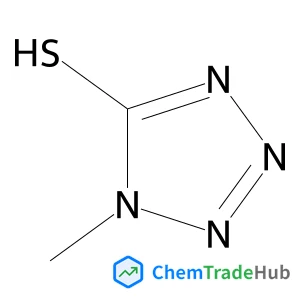
1-methyl-1H-1,2,3,4-tetrazole-5-thiol
CAS Number: 13183-79-4

Potassium sulfide (K(SH))
CAS Number: 1310-61-8

lithium;oxido(oxo)borane
CAS Number: 13453-69-5
Other Suppliers for Adenosine 5'-(trihydrogen diphosphate)








Basic Information
Molecular Formula
C10H15N5O10P2
Molecular Weight
427.2 g/mol
Physical Properties
Melting Point
No data available
Boiling Point
196°C
Density
2.49
Flash Point
484.6°C
Chemical Identifiers
SMILES
C1=NC(=C2C(=N1)N(C=N2)C3C(C(C(O3)COP(=O)(O)OP(=O)(O)O)O)O)N
InChIKey
XTWYTFMLZFPYCI-KQYNXXCUSA-N
Database References
MDL Number
MFCD00066473
Beilstein Registry Number
0067722
FAQ
Adenosine 5'-(trihydrogen diphosphate), also known as adenosine diphosphate (ADP), is a nucleotide composed of adenine, ribose, and two phosphate groups. Its chemical formula is C10H14N5O10P2. ADP is a key molecule in cellular energy transfer, serving as an intermediate in ATP synthesis and a substrate for various enzymatic reactions. It is commonly used in biochemical research and industrial applications.
Adenosine 5'-(trihydrogen diphosphate) (ADP) is widely used in pharmaceuticals for drug development targeting metabolic disorders, in research as a cofactor for enzymes like ATPases, and in biotechnology for DNA/RNA studies. It also serves as a precursor in the synthesis of nucleotides for food supplements and industrial chemical processes. Its role in energy metabolism makes it vital for cellular functions and biochemical experiments.
Adenosine 5'-(trihydrogen diphosphate) (ADP) is generally safe when handled properly, but it requires caution due to potential irritation. Safety data sheets (SDS) recommend wearing gloves, goggles, and lab coats, and working in well-ventilated areas. While not classified as highly toxic, prolonged exposure or ingestion may pose health risks. Always follow standard chemical safety protocols and regulatory guidelines for handling.
Adenosine 5'-(trihydrogen diphosphate) (ADP) should be stored in a cool, dry place, away from light, in airtight containers. Maintain storage temperature between 2-8°C for stability. Avoid moisture exposure to prevent hydrolysis, and ensure containers are made of non-reactive materials like glass or plastic. Proper storage preserves its chemical integrity and extends shelf life.
Safety Notice
Please verify product specifications and safety data before use. Contact the supplier for detailed safety information.
Always follow proper handling procedures
Contact Information
1438280055@qq.com
Mobile
13476235517
Telephone
13476235517
Fax
QQ:1438280055;1248980011
Visit Website
http://www.xin-api.com