



AD
4-Phenylcinnamic acid(CAS: 88241-65-0)
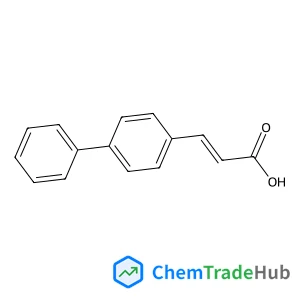
CAS Number
Related Products
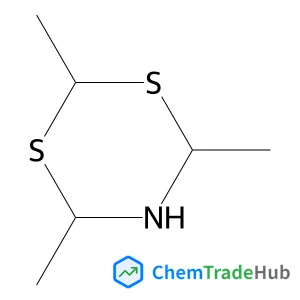
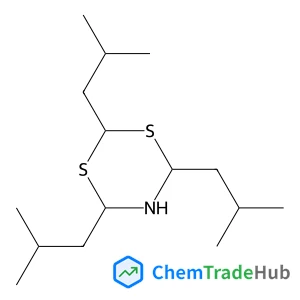
2,4,6-Trimethyl-4H-1,3,5-dithiazine
CAS Number: 86241-90-9
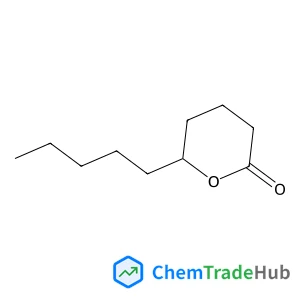
6-Pentyltetrahydro-2H-pyran-2-one
CAS Number: 705-86-2
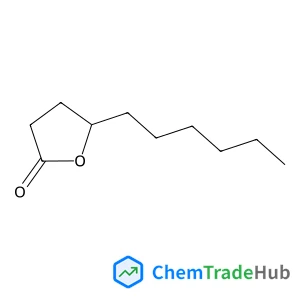
4-Decanolide
CAS Number: 706-14-9
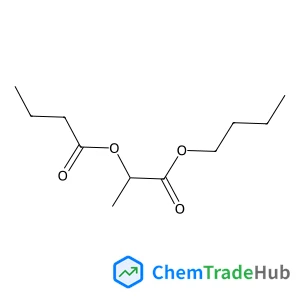
1-Butoxy-1-oxo-2-propanyl butyrate
CAS Number: 7492-70-8
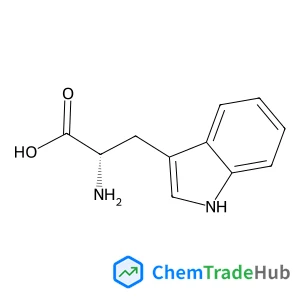
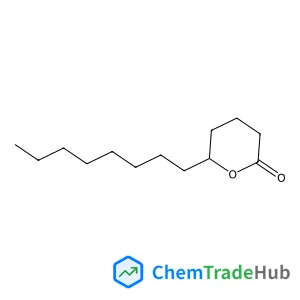
6-Octyltetrahydro-2H-pyran-2-one
CAS Number: 7370-92-5
Other Suppliers for 4-Phenylcinnamic acid






Basic Information
Molecular Formula
C15H12O2
Molecular Weight
224.26 g/mol
Physical Properties
Melting Point
226.4-228.7 ºC
Boiling Point
412.912 °C at 760 mmHg
Density
1.178±0.06 g/cm3 (20 ºC 760 Torr),
Flash Point
308.021 °C
Chemical Identifiers
SMILES
C1=CC=C(C=C1)C2=CC=C(C=C2)C=CC(=O)O
InChIKey
DMJDEZUEYXVYNO-DHZHZOJOSA-N
Database References
MDL Number
MFCD00014010
FAQ
4-Phenylcinnamic acid (CAS: 88241-65-0) falls under various regulatory guidelines including GHS classification, which categorizes it as a non-flammable solid. REACH regulations in the EU require manufacturers to register substances with a tonnage of over 1 ton per year, including specific data requirements. The FDA and EPA may also have requirements for its use and disposal in the manufacturing and research industries.
Alternatives to 4-Phenylcinnamic acid (CAS: 88241-65-0) in synthesis include similar aromatic compounds such as 3-Phenylcinnamic acid or 2-Phenylcinnamic acid, which can serve as effective substitutes due to their similar functional groups. Other common reagents like benzoic acid can also be used as precursors in related synthetic pathways.
The market for 4-Phenylcinnamic acid (CAS: 88241-65-0) is growing with increasing research interest in its use as a precursor for various pharmaceuticals and organic materials. Recent trends show a focus on its role in the development of photoactive compounds and as an intermediate in the synthesis of complex organic structures. Economic factors and environmental concerns are driving the demand for more sustainable and cost-effective production methods.
Waste containing 4-Phenylcinnamic acid (CAS: 88241-65-0) should be collected in appropriate containers and disposed of through professional waste disposal services to prevent environmental contamination. Incineration is a suitable method for disposal, especially for non-recyclable waste. Environmental protection measures should include ensuring proper ventilation and protective gear for handlers to avoid exposure to harmful substances.
Safety Notice
Please verify product specifications and safety data before use. Contact the supplier for detailed safety information.
Always follow proper handling procedures
Contact Information
johnxu@unitedint.com