



AD
Copper(II) Oxide(CAS: 1317-38-0)
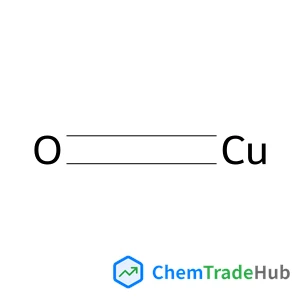
CAS Number
Related Products
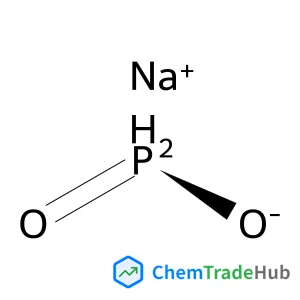
Sodium phosphinate
CAS Number: 7681-53-0
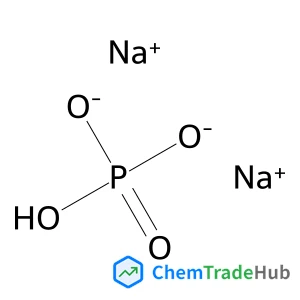
Disodium hydrogen phosphate
CAS Number: 7558-79-4
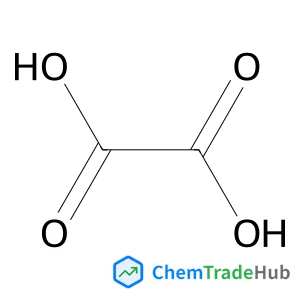
oxalic acid
CAS Number: 144-62-7
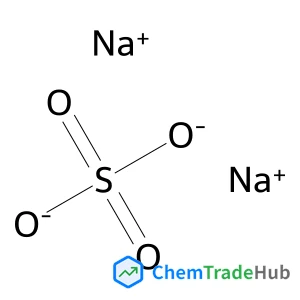
Sodium Sulfate
CAS Number: 7757-82-6
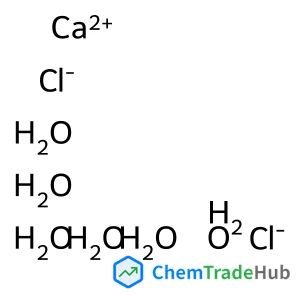
Calcium chloride hydrate (1:2:1)
CAS Number: 7774-34-7
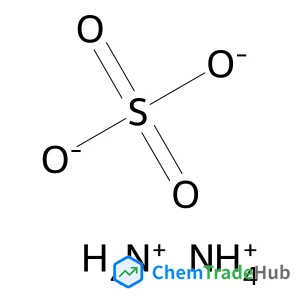
Ammonium sulphate,≥99.0%,AR
CAS Number: 7783-20-2
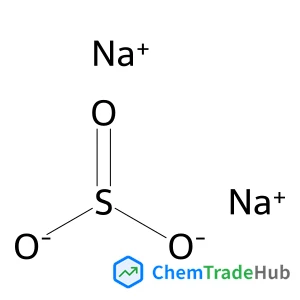
Sodium Sulfite
CAS Number: 7757-83-7
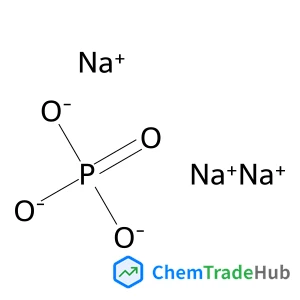
Sodium phosphate hydrate (3:1:12)
CAS Number: 7601-54-9
Other Suppliers for Copper(II) Oxide


Basic Information
Molecular Formula
CuO
Molecular Weight
79.55 g/mol
Physical Properties
Melting Point
1326 ºC
Boiling Point
2000
Chemical Identifiers
SMILES
O=[Cu]
InChIKey
QPLDLSVMHZLSFG-UHFFFAOYSA-N
Database References
MDL Number
MFCD00010979
FAQ
Copper(II) Oxide is a chemical compound with the formula CuO. It is a black or brown solid that is insoluble in water. This inorganic compound is known for its oxidizing properties and is commonly used in various industrial and scientific applications. It has a high melting point and is stable under normal conditions.
Copper(II) Oxide is widely used in the production of ceramics, glass, and pigments. It also serves as a catalyst in chemical reactions and is employed in the manufacture of electronic materials. In agriculture, it is used as a fungicide, and in the pharmaceutical industry, it is used in some topical treatments. Additionally, it is used in research for its oxidizing properties and in the production of copper-based compounds.
Copper(II) Oxide is generally considered safe when handled properly. However, it can be harmful if inhaled, ingested, or comes into contact with skin or eyes. Safety data sheets recommend using protective equipment such as gloves, goggles, and a respirator. It is classified as a potential irritant and should be stored away from incompatible substances to ensure safe handling and use.
Copper(II) Oxide should be stored in a cool, dry, and well-ventilated area, away from moisture and light. It is best kept in a sealed container made of non-reactive materials like glass or plastic. Storage conditions should maintain a temperature below 25°C and humidity levels below 60% to ensure stability and prevent degradation.
Safety Notice
Please verify product specifications and safety data before use. Contact the supplier for detailed safety information.
Always follow proper handling procedures
Contact Information
Contact Person
Bu Caifu, Wang Songlin