



AD
6-(Bromomethyl)quinoline hydrobromide (1:1)(CAS: 68038-71-1)
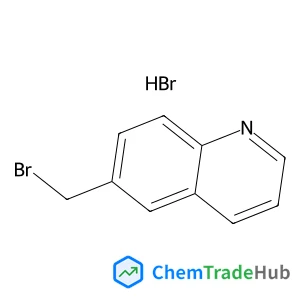
CAS Number
Related Products
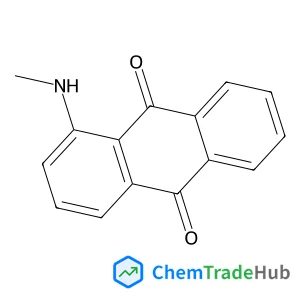
1-(Methylamino)-9,10-anthraquinone
CAS Number: 82-38-2
![2,9-Bis(4-methoxybenzyl)isoquinolino[4',5',6':6,5,10]anthra[2,1,9-def]isoquinoline-1,3,8,10(2H,9H)-tetrone](https://static.chemtradehub.com/structs/835/83524-75-8-40d0.webp)
SOLVENT RED 195
CAS Number: 164251-88-1
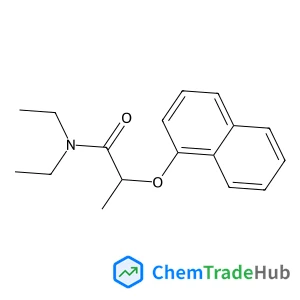
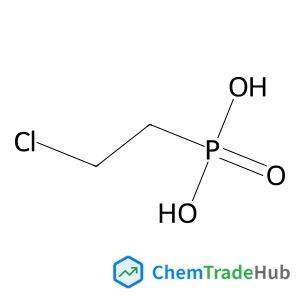
(2-Chloroethyl)phosphonic acid
CAS Number: 16672-87-0
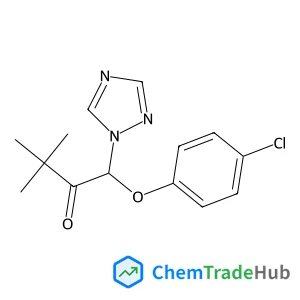
![3-(3,5-dichlorophenyl)-1,5-dimethyl-3-azabicyclo[3.1.0]hexane-2,4-dione](https://static.chemtradehub.com/structs/328/32809-16-8-8d18.webp)
Other Suppliers for 6-(Bromomethyl)quinoline hydrobromide (1:1)


Basic Information
Molecular Formula
C10H9Br2N
Molecular Weight
303 g/mol
EINECS
614-245-1
Physical Properties
Boiling Point
100°C
Density
09 mg/ml
Chemical Identifiers
SMILES
c1cc2cc(ccc2nc1)CBr.Br
InChIKey
NPRSKVXFAHDCPT-UHFFFAOYSA-N
Database References
FAQ
6-(Bromomethyl)quinoline hydrobromide (CAS: 68038-71-1) falls under the regulatory framework of REACH (Registration, Evaluation, Authorization and Restriction of Chemicals) for European manufacturers and importers. It is also subject to GHS (Globally Harmonized System of Classification and Labeling of Chemicals) classification, which includes health, environmental, and physical hazard categorization. In the United States, FDA (Food and Drug Administration) and EPA (Environmental Protection Agency) regulations apply, particularly for any intended use in pharmaceuticals or environmental applications. It is important to consult the latest regulatory guidelines for the most up-to-date requirements.
Several alternatives exist for synthesizing compounds similar to 6-(Bromomethyl)quinoline hydrobromide (CAS: 68038-71-1). These include related quinoline derivatives with different substituents, such as 6-(chloromethyl)quinoline, or other brominated quinolines. Alternative reagents for bromomethylation can include other halides like chloromethylation or iodomethylation. It is crucial to consider the desired properties and the specific application when choosing an alternative.
The market for 6-(Bromomethyl)quinoline hydrobromide (CAS: 68038-71-1) is driven by its applications in medicinal chemistry, particularly in the development of organic dyes and ligands for metal complexes. Research trends are focusing on its use as a building block for more complex molecules and its role in catalysis. Price trends are influenced by supply chain dynamics and demand fluctuations in the pharmaceutical and chemical industries. Emerging trends include its use in sustainable and green chemistry processes.
Waste containing 6-(Bromomethyl)quinoline hydrobromide (CAS: 68038-71-1) should be collected in appropriate containers and stored separately to prevent environmental contamination. Incineration is a common method for disposal, ensuring complete combustion to minimize residue. Alternatively, professional waste disposal services can handle the waste safely, adhering to local and national regulations. It is essential to follow safety precautions and environmental protection measures to avoid hazards during handling and disposal.
Safety Notice
Please verify product specifications and safety data before use. Contact the supplier for detailed safety information.
Always follow proper handling procedures
Contact Information
2355916862@qq.com