



AD
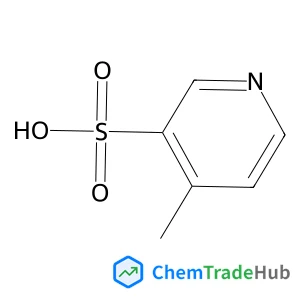
4-Methyl-3-pyridinesulfonic acid(CAS: 4808-71-3)
CAS Number
Related Products
![3-[4-Fluoro-2-(trifluoromethyl)phenyl]propanoic acid](https://static.chemtradehub.com/structs/916/916420-73-0-ee37.webp)
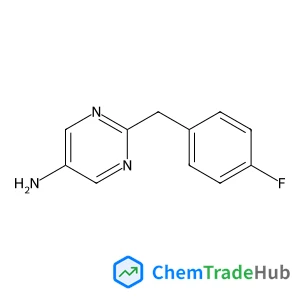
2-(4-Fluorobenzyl)-5-pyrimidinamine
CAS Number: 1152557-45-3
![Methyl [4-cyano-3-(3-thienyl)-1H-pyrazol-1-yl]acetate](https://static.chemtradehub.com/structs/209/2098083-01-1-68bf.webp)
![3-[4-Cyclopentyl-5-(methylsulfanyl)-4H-1,2,4-triazol-3-yl]-1-propanamine hydroiodide (1:1)](https://static.chemtradehub.com/structs/119/1197609-28-1-10f2.webp)
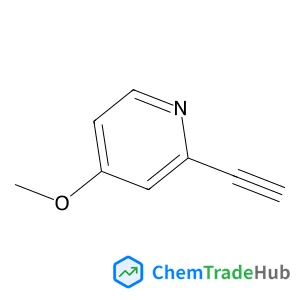
2-Ethynyl-4-methoxypyridine
CAS Number: 1211533-95-7
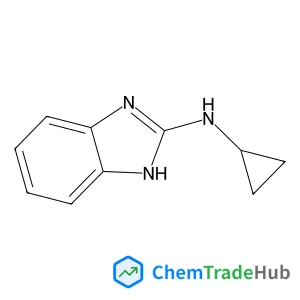
N-Cyclopropyl-1H-benzimidazol-2-amine
CAS Number: 941266-08-6
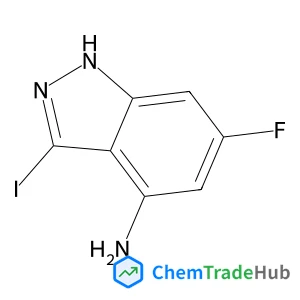
4-AMINO-6-FLUORO-3-IODO (1H)INDAZOLE
CAS Number: 885523-02-4
Other Suppliers for 4-Methyl-3-pyridinesulfonic acid






Basic Information
Molecular Formula
C6H7NO3S
Molecular Weight
173.19 g/mol
Chemical Identifiers
SMILES
CC1=C(C=NC=C1)S(=O)(=O)O
InChIKey
YQNKGAZLNOIECR-UHFFFAOYSA-N
Database References
MDL Number
MFCD00661349
FAQ
4-Methyl-3-pyridinesulfonic acid (CAS: 4808-71-3) falls under several regulatory frameworks. Under GHS (Global Harmonized System of Classification and Labelling of Chemicals), it may be classified as a corrosive substance. REACH (Registration, Evaluation, Authorisation and Restriction of Chemicals) regulations may apply for its production and import into the EU, requiring registration if the substance is manufactured or imported in quantities exceeding 1 tonne per year. Additionally, FDA (Food and Drug Administration) and EPA (Environmental Protection Agency) regulations may be relevant for its use in food-related applications and environmental considerations, respectively.
There are several alternatives to 4-Methyl-3-pyridinesulfonic acid (CAS: 4808-71-3) that can be used in synthesis. Common alternatives include other sulfonic acids like methanesulfonic acid or benzenesulfonic acid. These alternatives may offer similar functionalities but with different chemical properties. Other options include using inorganic acids or other organic acids, depending on the specific requirements of the synthesis process.
The market for 4-Methyl-3-pyridinesulfonic acid (CAS: 4808-71-3) is driven by its use in various applications such as organic synthesis, pharmaceuticals, and analytical chemistry. Research trends indicate increased interest in its use as a catalyst and reagent in green chemistry processes. There is also growing demand for sustainable and eco-friendly chemical products, which may influence the development of new applications and formulations for this compound.
Waste containing 4-Methyl-3-pyridinesulfonic acid (CAS: 4808-71-3) should be handled according to local and international regulations. Waste collection should be done in appropriate containers, and the waste should be neutralized to minimize corrosion risks. Incineration or professional waste disposal services are recommended for safe disposal. Environmental protection precautions should include proper labeling and storage to prevent accidental spills. It is advisable to consult local environmental protection agencies for specific guidelines and requirements.
Safety Notice
Please verify product specifications and safety data before use. Contact the supplier for detailed safety information.
Always follow proper handling procedures
Contact Information
3641133981@qq.com