



AD
Metaphosphoric acid (HPO3), potassium salt(CAS: 7790-53-6)
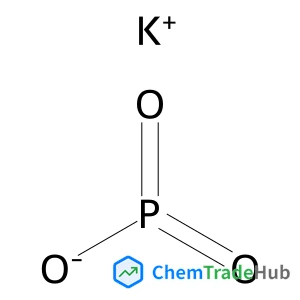
CAS Number
Related Products
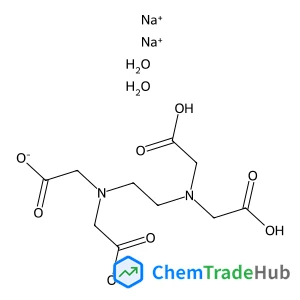
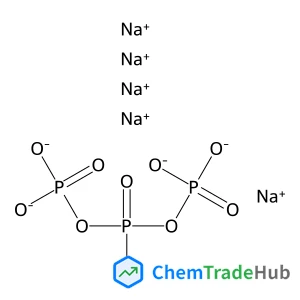
Pentasodium Triphosphate
CAS Number: 7758-29-4
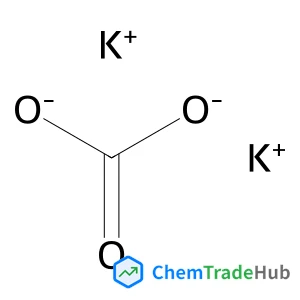
Dipotassium carbonate
CAS Number: 584-08-7
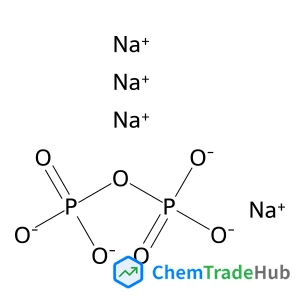
Sodium pyrophosphate decahydrate
CAS Number: 13472-36-1
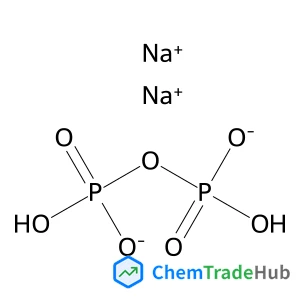
Disodium dihydrogen diphosphate
CAS Number: 68915-31-1
Other Suppliers for Metaphosphoric acid (HPO3), potassium salt







Basic Information
Molecular Formula
KO3P
Molecular Weight
119.08 g/mol
Physical Properties
Melting Point
807°C
Density
2,393 g/cm3
Chemical Identifiers
SMILES
[O-]P(=O)=O.[K+]
InChIKey
OQZCJRJRGMMSGK-UHFFFAOYSA-M
Database References
MDL Number
MFCD00049681
FAQ
Metaphosphoric acid potassium salt (CAS: 7790-53-6) falls under the classification of a chemical substance regulated by the Globally Harmonized System of Classification and Labelling of Chemicals (GHS), and must comply with the REACH regulations for substances of more than one tonne per year. Additionally, it is subject to FDA and EPA requirements for use in food contact applications and environmental releases, respectively. Detailed documentation and safety data sheets (SDS) are essential for proper handling and storage.
Synthetic reactions often utilize metaphosphoric acid potassium salt (CAS: 7790-53-6) for its unique properties. However, alternatives like other phosphoric acid derivatives, organophosphorus compounds, and other inorganic salts can serve similar roles, depending on the specific application. The choice of alternative depends on the required functionality, cost, and availability.
The market for metaphosphoric acid potassium salt (CAS: 7790-53-6) is driven by its use in various industries, including pharmaceuticals, food additives, and water treatment. Research trends are focusing on its applications in catalysis and as a precursor in material synthesis. Increased environmental awareness is also driving the exploration of its sustainable uses and the development of green chemistry processes involving this compound.
Waste containing metaphosphoric acid potassium salt (CAS: 7790-53-6) should be collected in appropriate containers and stored in a well-ventilated area. Neutralization may be necessary to reduce acidity before disposal. Incineration is a common method, but professional waste disposal services should be used for hazardous waste. Environmental protection measures include monitoring for contamination and adhering to local regulations to ensure safe disposal.
Safety Notice
Please verify product specifications and safety data before use. Contact the supplier for detailed safety information.
Always follow proper handling procedures
Contact Information
15052992851@163.com