



AD
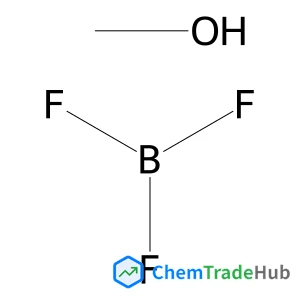
methanol; trifluoro-methoxy-boron(CAS: 2802-68-8)
CAS Number
Related Products
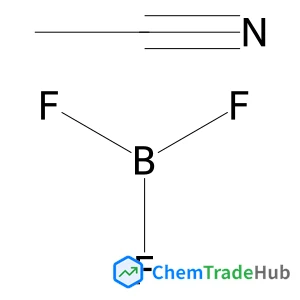
Acetonitrile - trifluoroborane (1:1)
CAS Number: 420-16-6
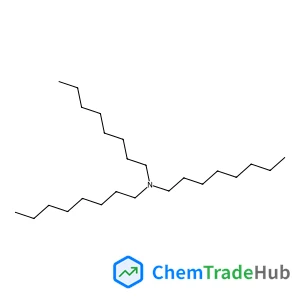
N,N-Dioctyl-1-octanamine
CAS Number: 1116-76-3
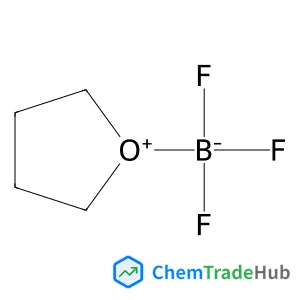
Trifluoro(tetrahydrofuran)boron
CAS Number: 462-34-0
Other Suppliers for methanol; trifluoro-methoxy-boron



Basic Information
Molecular Formula
C2H7BF3O2
Molecular Weight
130.88 g/mol
Physical Properties
Melting Point
-20 ºC
Boiling Point
59 ºC (4 mmHg)
Chemical Identifiers
SMILES
B(F)(F)F.CO
InChIKey
ZSKWKIJIAHNTRI-UHFFFAOYSA-N
Database References
MDL Number
MFCD00071635
FAQ
Methanol (CAS: 2802-68-8) is regulated under the Globally Harmonized System of Classification and Labeling of Chemicals (GHS) as a flammable liquid and toxic substance. In the European Union, it falls under REACH regulations, requiring suppliers to register with ECHA. For FDA and EPA purposes, it must meet specific handling and labeling requirements, including the need for proper storage and disposal to prevent environmental contamination.
In synthesis, trifluoromethoxy-boron can be considered as an alternative to methanol (CAS: 2802-68-8) due to its unique reactivity. Other alternatives include ethanol and methyl tert-butyl ether (MTBE), which offer different properties and can be used depending on the specific reaction conditions and requirements. It's important to evaluate the substituent and functional group compatibility for each alternative.
The market for methanol (CAS: 2802-68-8) has shown steady growth, driven by its applications in various industries such as chemical manufacturing, energy production, and as a solvent. Research trends are focusing on its use in fuel cells, as a chemical feedstock, and in developing less hazardous alternatives for industrial processes. Additionally, there is increasing interest in the production of methanol from renewable resources to reduce environmental impact.
Waste containing methanol (CAS: 2802-68-8) should be collected in appropriate containers, labeled with the correct hazard warnings, and stored in a cool, well-ventilated area away from sources of ignition. For disposal, it is recommended to use professional waste disposal services that handle hazardous materials. Environmental precautions include ensuring no leaks occur and that waste is neutralized before disposal to prevent contamination of soil and water sources.
Safety Notice
Please verify product specifications and safety data before use. Contact the supplier for detailed safety information.
Always follow proper handling procedures
Contact Information
Contact Person
Li Xuejiang