



AD
trans-1,3-Dichloropropene(CAS: 10061-02-6)
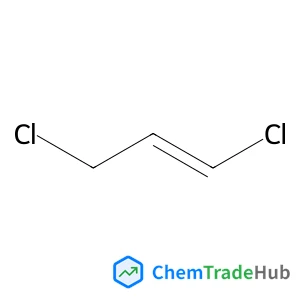
CAS Number
Related Products
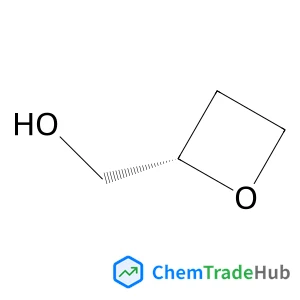
(2S)-2-Oxetanylmethanol
CAS Number: 2090778-00-8
![Bis(2-ethylhexyl) 4,4'-{[6-({4-[(2-methyl-2-propanyl)carbamoyl]phenyl}amino)-1,3,5-triazine-2,4-diyl]diimino}dibenzoate](https://static.chemtradehub.com/structs/154/154702-15-5-db8d.webp)
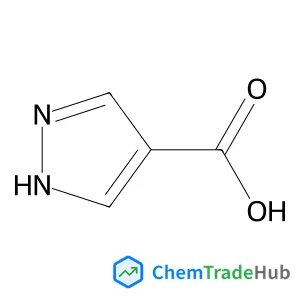
1H-Pyrazole-4-carboxylic acid
CAS Number: 37718-11-9
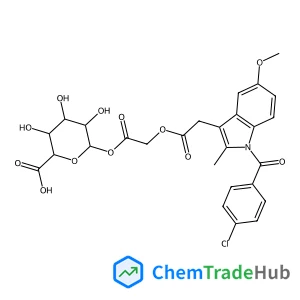
Acemetacin-Acyl-β-D-Glucuronide
CAS Number: 1260603-31-3
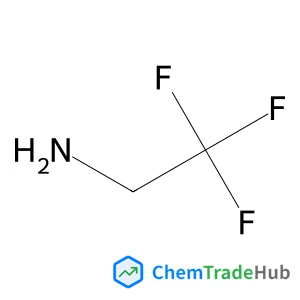
2,2,2-Trifluoroethanamine
CAS Number: 753-90-2
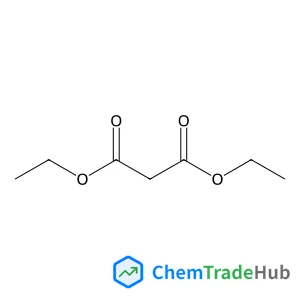
Diethyl malonate
CAS Number: 105-53-3
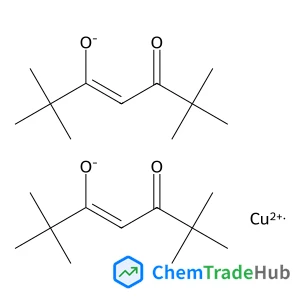
Di(dipivaloylmethanato)copper
CAS Number: 14040-05-2
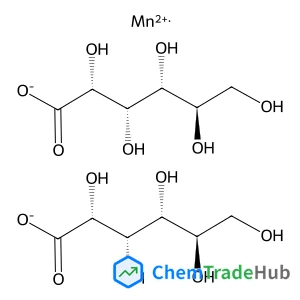
Manganese(2+) di(D-gluconate)
CAS Number: 6485-39-8
Other Suppliers for trans-1,3-Dichloropropene


Basic Information
Molecular Formula
C3H4Cl2
Molecular Weight
110.97 g/mol
Physical Properties
Melting Point
-95ºC
Boiling Point
112°C
Chemical Identifiers
SMILES
ClC/C=C/Cl
InChIKey
UOORRWUZONOOLO-OWOJBTEDSA-N
Database References
MDL Number
MFCD00000985
FAQ
Trans-1,3-Dichloropropene (CAS: 10061-02-6) is subject to regulatory guidelines under the Globally Harmonized System of Classification and Labelling of Chemicals (GHS). In the European Union, it is regulated under REACH. The U.S. Environmental Protection Agency (EPA) and the Food and Drug Administration (FDA) also have specific requirements for its handling, reporting, and disposal. Compliance with these regulations is essential to ensure safety and environmental protection.
Yes, there are alternatives to trans-1,3-Dichloropropene in synthesis. Common substitutes include 1,3-dichloropropene, which is the cis-isomer, and other chlorinated hydrocarbons. These alternatives may offer similar properties but with different safety profiles and environmental impacts, making them suitable for specific applications based on the desired outcomes and regulatory compliance.
The market for trans-1,3-Dichloropropene (CAS: 10061-02-6) is largely driven by its use as a fumigant and pesticide. Recent trends show a focus on sustainable alternatives and stricter regulations, which may influence product demand. Research is also exploring its potential applications in other industries, such as organic synthesis, but these areas are still emerging. Market trends suggest a need for safer, more environmentally friendly alternatives, aligning with global regulatory shifts.
Waste containing trans-1,3-Dichloropropene (CAS: 10061-02-6) should be handled through proper collection and disposal methods. This includes incineration or professional waste disposal services that comply with regulatory requirements. Environmental protection measures should be in place to prevent contamination. It is crucial to follow local and international guidelines for hazardous waste management to ensure safety and compliance with environmental protection standards.
Safety Notice
Please verify product specifications and safety data before use. Contact the supplier for detailed safety information.
Always follow proper handling procedures
Contact Information
Contact Person
Manager Cai
507167383@qq.com
Mobile
18662931390
Telephone
0513-66017679
Visit Website
https://www.rfhckj.com/Address
Yongli Road 17, Chongchuan District