



AD
3-Biphenylcarboxylic acid(CAS: 716-76-7)
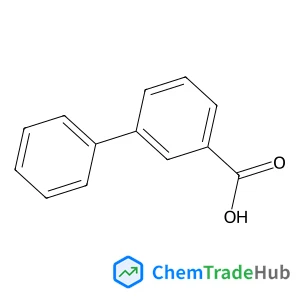
CAS Number
Related Products
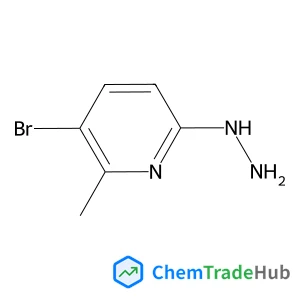
3-Bromo-6-hydrazinyl-2-methylpyridine
CAS Number: 39919-66-9
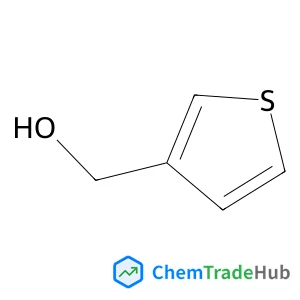
3-Thienylmethanol
CAS Number: 71637-34-8
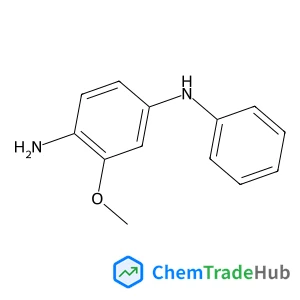
3-Methoxy-N1-phenylbenzene-1,4-diamine
CAS Number: 5840-10-8
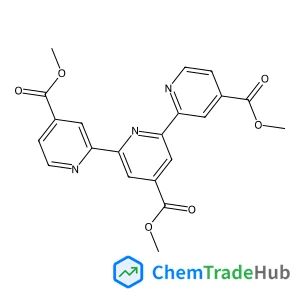
![5-Isoquinolinesulfonamide, N-[2-[[3-(4-bromophenyl)-2-propen-1-yl]amino]ethyl]-](https://static.chemtradehub.com/structs/127/127243-85-0-0f72.webp)
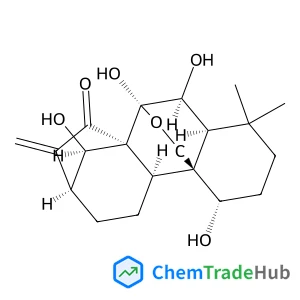
Oridonin
CAS Number: 28957-04-2
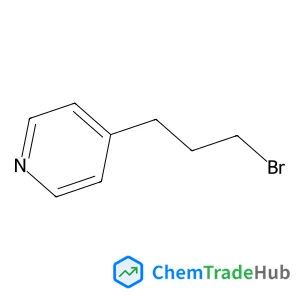
4-(3-Bromopropyl)pyridine
CAS Number: 40337-66-4
Other Suppliers for 3-Biphenylcarboxylic acid



Basic Information
Molecular Formula
C13H10O2
Molecular Weight
198.22 g/mol
Physical State
Powder
Physical Properties
Melting Point
164.0 to 168.0 deg-C
Boiling Point
392.2°C at 760 mmHg
Density
1.185
Flash Point
177.3℃
Chemical Identifiers
SMILES
C1=CC=C(C=C1)C2=CC(=CC=C2)C(=O)O
InChIKey
XNLWJFYYOIRPIO-UHFFFAOYSA-N
Database References
MDL Number
MFCD00045846
Beilstein Registry Number
1868625
FAQ
3-Biphenylcarboxylic acid (CAS: 716-76-7) is regulated under various safety standards. It falls under the Globally Harmonized System of Classification and Labelling of Chemicals (GHS) as a skin and eye irritant. Additionally, it is subject to the REACH regulations for registration, evaluation, authorization, and restriction of chemicals in the European Union. In the United States, the Environmental Protection Agency (EPA) and the Food and Drug Administration (FDA) may have specific requirements for its handling and use in industrial and pharmaceutical applications.
For synthesizing similar functionalities, alternatives to 3-Biphenylcarboxylic acid (CAS: 716-76-7) include other biphenyl derivatives such as 2-biphenylcarboxylic acid and 4-biphenylcarboxylic acid. Isomeric structures like 2,3-diphenylpropionic acid can also serve as viable alternatives. Commonly used reagents in synthesis include phenylacetic acid and substituted phenylacetic acids, which can be readily substituted based on the desired product structure and functional groups.
The market and research trends for 3-Biphenylcarboxylic acid (CAS: 716-76-7) are focused on its potential applications in drug discovery and material sciences. With increasing demand for innovative chemical compounds, there is a growing interest in exploring the pharmacological and physical properties of this acid. Recent research has highlighted its use in developing new pharmaceuticals and coatings, driving market growth and innovation in related industries.
Waste containing 3-Biphenylcarboxylic acid (CAS: 716-76-7) should be carefully managed to prevent environmental contamination. Waste liquids should be collected in appropriate containers and disposed of through professional waste disposal services. Incineration is also a viable option for disposing of solid waste. Environmental precautions include ensuring that waste is neutralized if necessary to prevent acid-related damage. Compliance with local and international regulations, such as those set by the EPA, is essential to ensure safe and regulated disposal.
Safety Notice
Please verify product specifications and safety data before use. Contact the supplier for detailed safety information.
Always follow proper handling procedures
Contact Information
2355265332@qq.com