



AD
n-Boc-propargylamine(CAS: 92136-39-5)
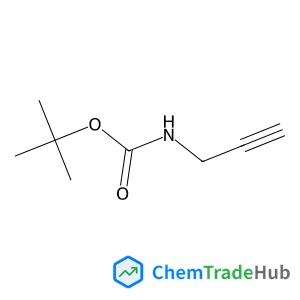
CAS Number
Related Products
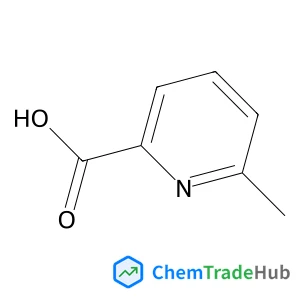
6-Methylpyridine-2-carboxylic acid
CAS Number: 934-60-1
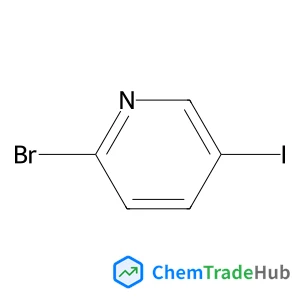
2-Bromo-5-iodopyridine
CAS Number: 73290-22-9
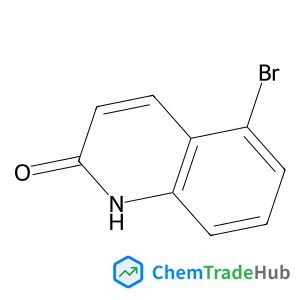
5-Bromo-2(1H)-quinolinone
CAS Number: 99465-09-5
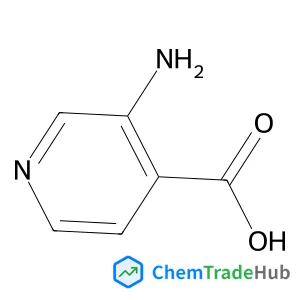
3-Aminoisonicotinic acid hydrate (1:1)
CAS Number: 7529-20-6
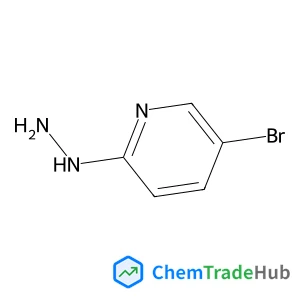
5-Bromo-2-hydrazinopyridine
CAS Number: 77992-44-0
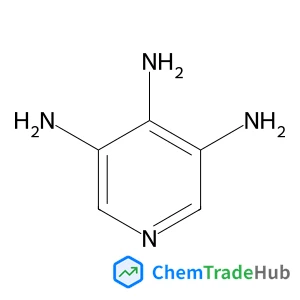
3,4,5-Pyridinetriamine
CAS Number: 618439-82-0
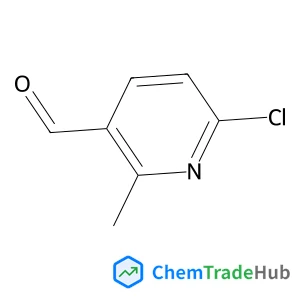
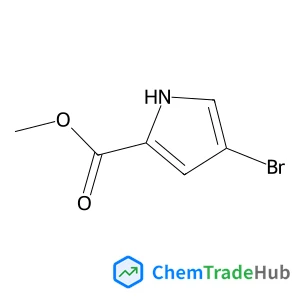
Methyl 4-bromo-1H-pyrrole-2-carboxylate
CAS Number: 934-05-4
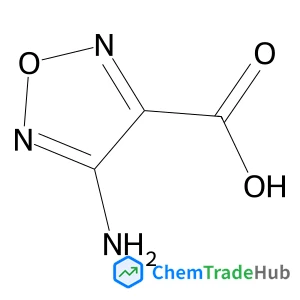
Other Suppliers for n-Boc-propargylamine



Basic Information
Molecular Formula
C8H13NO2
Molecular Weight
145.2 g/mol
Physical Properties
Melting Point
40.0 to 44.0 deg-C
Boiling Point
170°C/14mmHg(lit.)
Chemical Identifiers
SMILES
CC(C)(C)OC(=O)NCC#C
InChIKey
DSPYCWLYGXGJNJ-UHFFFAOYSA-N
Database References
MDL Number
MFCD07367245
FAQ
n-Boc-propargylamine (CAS: 92136-39-5) is subject to various regulatory guidelines. Under the Globally Harmonized System of Classification and Labelling of Chemicals (GHS), it is classified as an irritant. In the European Union, it is regulated under REACH, which requires manufacturers and importers to register substances if they exceed certain tonnage thresholds. FDA regulations may apply for its use in pharmaceuticals, while EPA regulations govern its use in the United States, particularly concerning environmental protection and disposal.
There are several alternatives to n-Boc-propargylamine (CAS: 92136-39-5) that can be used in synthesis, such as Boc-protected propargyl alcohols or other amino propargyl compounds. These alternatives offer similar reactivity but may differ in terms of availability, cost, and specific chemical properties. For example, propargylamine or Boc-protected propargylamines can be used depending on the reaction conditions and desired outcome.
The market for n-Boc-propargylamine (CAS: 92136-39-5) is growing in pharmaceutical and biotechnology research due to its utility in the synthesis of peptide-based drugs and other biologically active molecules. Recent research trends focus on its application in developing new drug candidates for diseases such as cancer and infectious diseases. Market demand is driven by the increasing focus on peptide-based therapies and the need for efficient chemical building blocks in drug discovery.
Waste containing n-Boc-propargylamine (CAS: 92136-39-5) should be handled carefully to ensure safety and environmental protection. It is recommended to collect waste in appropriate containers and dispose of it through professional waste disposal services that comply with local regulations. Neutralization or incineration may be necessary for safe disposal, and protective measures such as gloves and safety goggles should be worn during handling. Compliance with EPA and OSHA regulations is essential to prevent environmental contamination and ensure worker safety.
Safety Notice
Please verify product specifications and safety data before use. Contact the supplier for detailed safety information.
Always follow proper handling procedures
Contact Information
yukiyou99@hotmail.com