



AD
2-Methyl-2-propanyl (3-bromopropyl)carbamate(CAS: 83948-53-2)
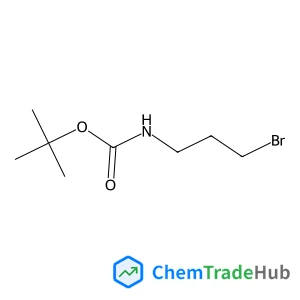
CAS Number
Related Products
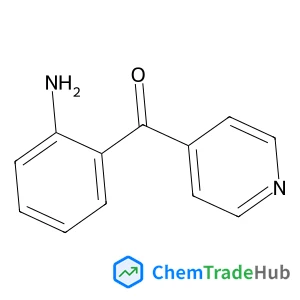
(2-Aminophenyl)(4-pyridinyl)methanone
CAS Number: 91973-39-6
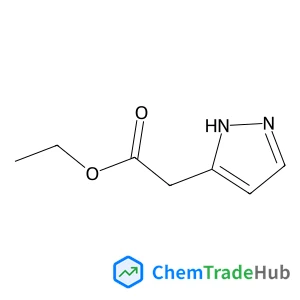
Ethyl 1H-pyrazol-3-ylacetate
CAS Number: 82668-50-6
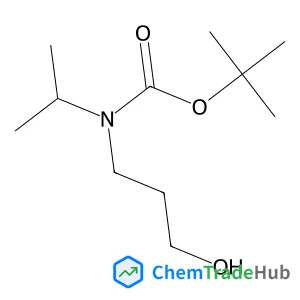
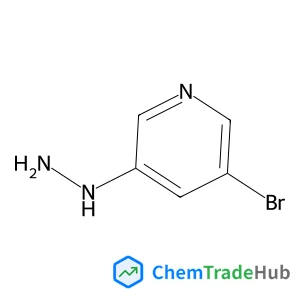
(5-bromo-3-pyridyl)hydrazine
CAS Number: 801203-50-9
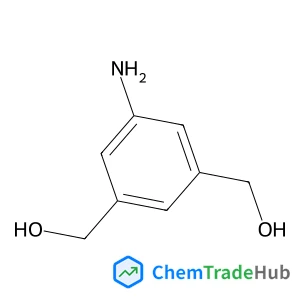
(5-Amino-1,3-phenylene)dimethanol
CAS Number: 71176-54-0
Other Suppliers for 2-Methyl-2-propanyl (3-bromopropyl)carbamate








Basic Information
Molecular Formula
C8H16BrNO2
Molecular Weight
238.12 g/mol
Physical Properties
Melting Point
36.0 to 41.0 deg-C
Boiling Point
285.286 °C at 760 mmHg
Density
1.279
Flash Point
285.286 °C at 760 mmHg
Chemical Identifiers
SMILES
CC(C)(C)OC(=O)NCCCBr
InChIKey
IOKGWQZQCNXXLD-UHFFFAOYSA-N
Database References
MDL Number
MFCD02683429
Beilstein Registry Number
4176344
FAQ
2-Methyl-2-propanyl (3-bromopropyl)carbamate is a colorless to yellowish liquid with a molecular weight of approximately 210.04 g/mol. It has a high solubility in organic solvents like acetone and ethanol, but is only slightly soluble in water. Chemically, it is reactive towards nucleophiles and bases. It exhibits low volatility and is stable under normal conditions, but should be stored away from strong acids and bases.
2-Methyl-2-propanyl (3-bromopropyl)carbamate is typically synthesized via the reaction of 2-methyl-2-propanol with N-bromosuccinimide (NBS) in the presence of a free radical initiator like benzoyl peroxide. The reaction is carried out in an inert atmosphere, and the yield is usually around 70-80%. The process requires careful control of temperature and reaction time to achieve high selectivity.
2-Methyl-2-propanyl (3-bromopropyl)carbamate is used in various industries such as pharmaceuticals for the synthesis of drug intermediates, and in polymer science for the modification of polymers. It is also utilized in the production of sensors and semiconductors due to its specific reactivity and chemical properties.
When handling 2-Methyl-2-propanyl (3-bromopropyl)carbamate, it is important to use appropriate personal protective equipment (PPE) such as gloves, goggles, and a lab coat. The compound should be stored in a fume hood to avoid inhalation risks. In case of spill, ensure the area is well-ventilated and use appropriate absorbents. Refer to the Safety Data Sheet (SDS) for specific handling and disposal instructions.
Safety Notice
Please verify product specifications and safety data before use. Contact the supplier for detailed safety information.
Always follow proper handling procedures