



AD
B3PyMPM(CAS: 925425-96-3)

CAS Number
Related Products
![Bisthieno[2,3-e:2',3'-g][1]benzothiophene-2,5,8-tricarboxylic acid](https://static.chemtradehub.com/structs/117/1174223-25-6-e9df.webp)
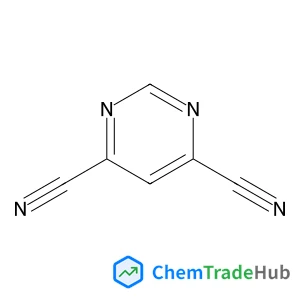
4,6-Pyrimidinedicarbonitrile
CAS Number: 50844-89-8
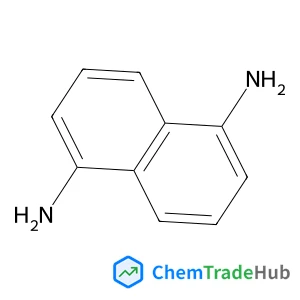
1,5-Naphthalenediamine
CAS Number: 2243-62-1
CAS Number: 114491-15-5


1,4-Diethynyl-2-fluorobenzene
CAS Number: 137000-66-9
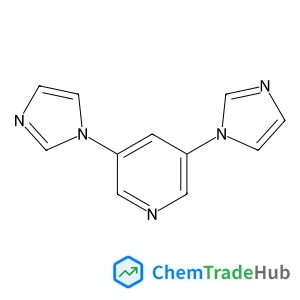
3,5-Di(1H-imidazol-1-yl)pyridine
CAS Number: 1374155-84-6
Other Suppliers for B3PyMPM





Basic Information
Molecular Formula
C37H26N6
Molecular Weight
554.66 g/mol
Chemical Identifiers
SMILES
CC1=NC(=CC(=N1)C2=CC(=CC(=C2)C3=CN=CC=C3)C4=CN=CC=C4)C5=CC(=CC(=C5)C6=CN=CC=C6)C7=CN=CC=C7
InChIKey
XIVCFIYEIZBYMX-UHFFFAOYSA-N
Database References
MDL Number
MFCD28369280
FAQ
B3PyMPM (CAS: 925425-96-3) should comply with the Globally Harmonized System of Classification and Labeling of Chemicals (GHS) for hazardous materials. It may also be subject to the REACH regulations in the European Union, ensuring that all chemicals and their mixtures meet safety and environmental standards. Additionally, the FDA and EPA may require specific handling and reporting guidelines for this compound in the United States, particularly in terms of production, distribution, and environmental release.
Several alternatives to B3PyMPM (CAS: 925425-96-3) exist in synthesis, including other boron-containing compounds and various aminophenylmethyl compounds. These alternatives can vary in reactivity and yield, and selection depends on the specific reaction conditions and desired outcome. Common substitutes include benzylphenylmethylamine (BPM) and 2-phenylethylamine (PEA), among others.
The market for B3PyMPM (CAS: 925425-96-3) is currently focused on its use as an intermediate in organic synthesis and pharmaceuticals. Research trends indicate a growing interest in its application in developing new drug candidates and materials science due to its unique properties. Market dynamics suggest increasing demand driven by innovative applications and growing R&D efforts, with a potential shift towards more sustainable and eco-friendly synthesis methods.
Waste containing B3PyMPM (CAS: 925425-96-3) should be managed according to local regulations and guidelines for hazardous waste. Collection of waste should be done in sealed, labeled containers to prevent spillage and contamination. Proper disposal options include incineration at a certified facility or professional waste disposal services. Environmental protection measures should include the use of appropriate personal protective equipment and strict adherence to safety protocols to minimize environmental impact.
Safety Notice
Please verify product specifications and safety data before use. Contact the supplier for detailed safety information.
Always follow proper handling procedures
Contact Information
duanjiangli@tqbio.net