



AD
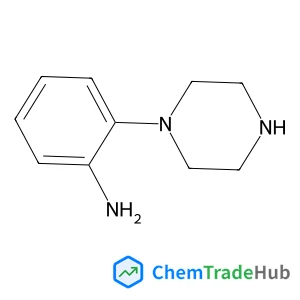
2-(1-Piperazinyl)aniline(CAS: 13339-02-1)
CAS Number
Related Products
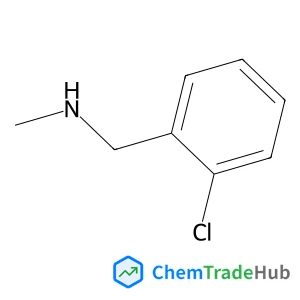
Benzenemethanamine, 2-chloro-N-methyl-
CAS Number: 94-64-4
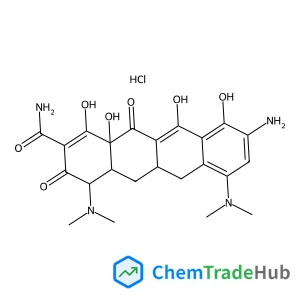
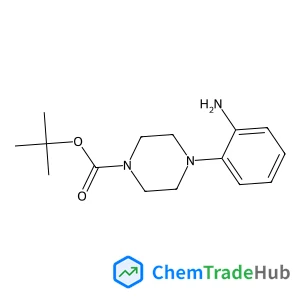
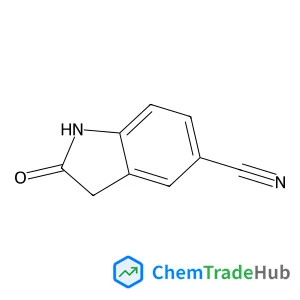
2-Oxo-5-indolinecarbonitrile
CAS Number: 61394-50-1
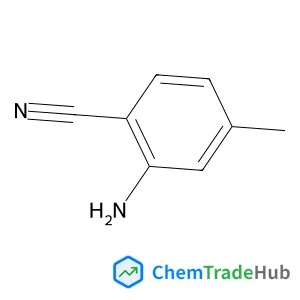
2-Amino-4-methylbenzonitrile
CAS Number: 26830-96-6
![3-(Chloromethyl)-5-[3-(trifluoromethyl)phenyl]-1,2,4-oxadiazole](https://static.chemtradehub.com/structs/175/175205-63-7-daac.webp)
Other Suppliers for 2-(1-Piperazinyl)aniline





Basic Information
Molecular Formula
C10H15N3
Molecular Weight
177.25 g/mol
Physical Properties
Melting Point
110 °C
Chemical Identifiers
SMILES
C1CN(CCN1)C2=CC=CC=C2N
InChIKey
TZWRXFPFRACRLO-UHFFFAOYSA-N
Database References
MDL Number
MFCD03444413
FAQ
2-(1-Piperazinyl)aniline (CAS: 13339-02-1) is regulated under the Globally Harmonized System of Classification and Labeling of Chemicals (GHS), which includes hazards such as skin and eye irritation. In the European Union, this compound falls under the Registration, Evaluation, Authorisation and Restriction of Chemicals (REACH) regulation, requiring detailed safety data sheets. The FDA and EPA may also have specific requirements for its handling and sale in the US, including proper labeling and storage instructions to prevent exposure and environmental contamination.
Alternatives to 2-(1-Piperazinyl)aniline (CAS: 13339-02-1) in synthesis include other aromatic amines or piperazine derivatives, depending on the desired end-product properties. Common substitutes include 2-aminophenol and 4-aminobenzenesulfonic acid, which can serve as precursors in various chemical reactions. The choice of alternative often depends on the specific reaction conditions and desired product characteristics.
The market for 2-(1-Piperazinyl)aniline (CAS: 13339-02-1) is driven by its use in pharmaceuticals, agrochemicals, and dyes. Research trends are focused on its potential as a precursor in the synthesis of active pharmaceutical ingredients (APIs) and its application in functional materials. However, due to its regulated status, there is an ongoing need for safer, more sustainable alternatives in both academic and industrial settings.
Waste containing 2-(1-Piperazinyl)aniline (CAS: 13339-02-1) should be handled according to local and international regulations. It is recommended to collect the waste in appropriate containers, ensuring it is labeled with proper hazardous waste identification. Disposal should be carried out through professional waste disposal services, and incineration may be used if other methods are not feasible. Environmental protection measures, such as neutralizing any acidic or basic residues, should be implemented to prevent contamination of soil and water sources.
Safety Notice
Please verify product specifications and safety data before use. Contact the supplier for detailed safety information.
Always follow proper handling procedures
Contact Information
win006@chinamaking.com.cn