



AD
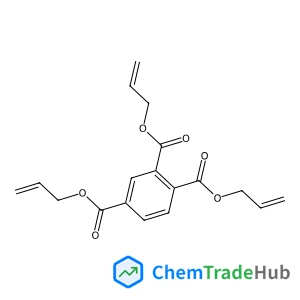
Triallyl 1,2,4-benzenetricarboxylate(CAS: 2694-54-4)
CAS Number
Related Products
![2,2'-[(2-Amino-2-oxoethyl)imino]diacetic acid](https://static.chemtradehub.com/structs/262/26239-55-4-b3d0.webp)
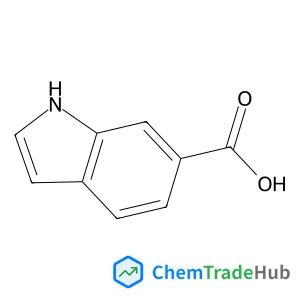
1H-Indole-6-carboxylic acid
CAS Number: 1670-82-2
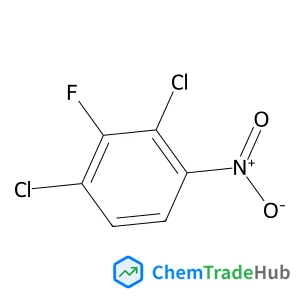
1,3-Dichloro-2-fluoro-4-nitrobenzene
CAS Number: 393-79-3
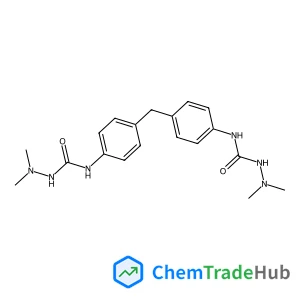
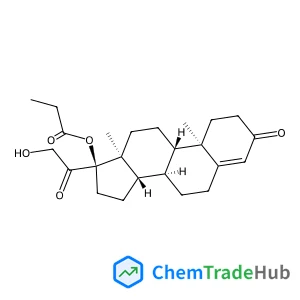
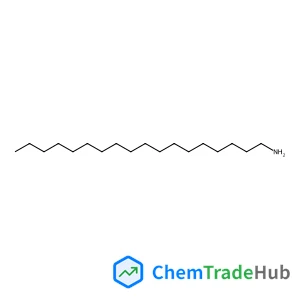
1-Octadecanamine
CAS Number: 124-30-1
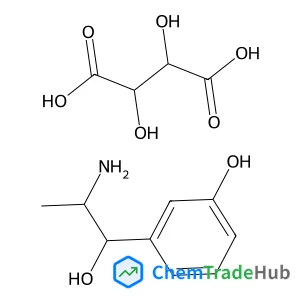
Metaraminol tartrate
CAS Number: 33402-03-8
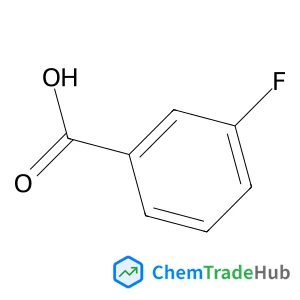
3-Fluorobenzoic acid
CAS Number: 455-38-9
Other Suppliers for Triallyl 1,2,4-benzenetricarboxylate








Basic Information
Molecular Formula
C18H18O6
Molecular Weight
330.34 g/mol
Physical Properties
Boiling Point
210°C 45mm
Flash Point
110 °C
Chemical Identifiers
SMILES
C=CCOC(=O)C1=CC(=C(C=C1)C(=O)OCC=C)C(=O)OCC=C
InChIKey
GRPURDFRFHUDSP-UHFFFAOYSA-N
Database References
MDL Number
MFCD00080653
FAQ
Triallyl 1,2,4-benzenetricarboxylate (CAS: 2694-54-4) must comply with the Globally Harmonized System of Classification and Labelling of Chemicals (GHS), REACH regulations in the European Union, and FDA/EPA requirements for chemical safety. It is classified as a flammable liquid and requires appropriate handling and storage to prevent fire hazards. Environmental protection measures must be followed to prevent contamination and ensure safe disposal.
There are several alternatives to triallyl 1,2,4-benzenetricarboxylate in synthesis, including allyl esters and other polyfunctional carboxylic acids. These alternatives can offer similar reactivity and can be chosen based on specific reaction conditions, availability, and cost. Common substitutes include allyl benzoate and triallyl phosphate, which can be effective in various polymerization and synthesis processes.
The market for triallyl 1,2,4-benzenetricarboxylate (CAS: 2694-54-4) is driven by its use in polymerization reactions and as a crosslinking agent. Recent research trends focus on the development of more sustainable and environmentally friendly alternatives. The demand is expected to grow as industries seek to reduce their environmental footprint. Research is also exploring the compound's applications in biodegradable polymers and advanced materials.
Waste containing triallyl 1,2,4-benzenetricarboxylate (CAS: 2694-54-4) should be collected in appropriate containers, sealed, and stored in a safe, well-ventilated area to prevent leakage and fire hazards. The waste should be disposed of through professional waste disposal services that comply with local environmental regulations. Incineration or chemical treatment followed by safe disposal are recommended methods. Adequate personal protective equipment (PPE) should be used to ensure worker safety during handling and disposal.
Safety Notice
Please verify product specifications and safety data before use. Contact the supplier for detailed safety information.
Always follow proper handling procedures
Contact Information
Contact Person
Pules Han
2186883463@qq.com