



AD
2,4-Dimethylaniline hydrochloride (1:1)(CAS: 21436-96-4)
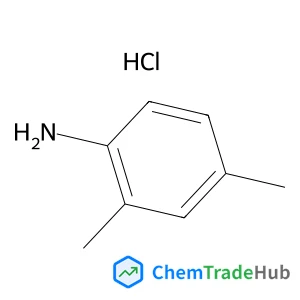
CAS Number
Related Products
![2,2'-[(2-Amino-2-oxoethyl)imino]diacetic acid](https://static.chemtradehub.com/structs/262/26239-55-4-b3d0.webp)
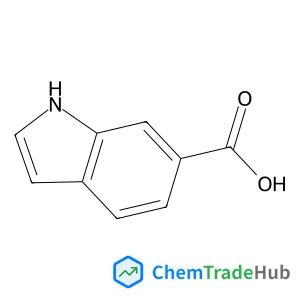
1H-Indole-6-carboxylic acid
CAS Number: 1670-82-2
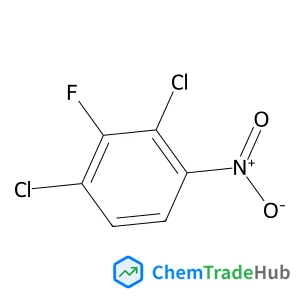
1,3-Dichloro-2-fluoro-4-nitrobenzene
CAS Number: 393-79-3
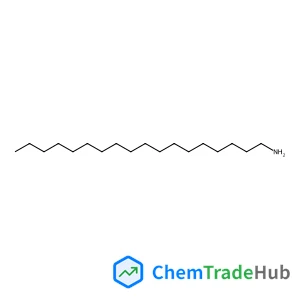
1-Octadecanamine
CAS Number: 124-30-1
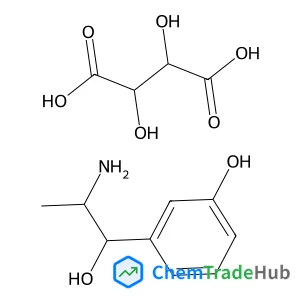
Metaraminol tartrate
CAS Number: 33402-03-8
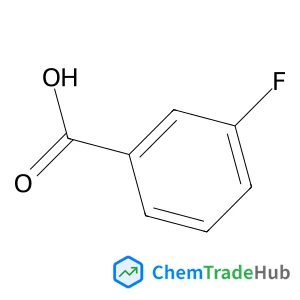
3-Fluorobenzoic acid
CAS Number: 455-38-9
Other Suppliers for 2,4-Dimethylaniline hydrochloride (1:1)



Basic Information
Molecular Formula
C8H12ClN
Molecular Weight
157.64 g/mol
Physical Properties
Boiling Point
170.8°Cat760mmHg
Density
0.869
Flash Point
48.9°C
Chemical Identifiers
SMILES
CC1=CC(=C(C=C1)N)C.Cl
InChIKey
HFXISSJBRAPVLG-UHFFFAOYSA-N
Database References
MDL Number
MFCD00060209
FAQ
2,4-Dimethylaniline hydrochloride (CAS: 21436-96-4) is subject to various regulatory guidelines. Globally, it is classified according to the GHS as a hazardous substance. Specific regulations include REACH in the EU, which requires registration for substances above one tonne per year. FDA regulations also apply for use in pharmaceuticals, while EPA regulations govern its use and disposal in the U.S., focusing on environmental and worker safety.
For synthesis, alternatives to 2,4-Dimethylaniline hydrochloride (CAS: 21436-96-4) include 2-Methylaniline and 4-Methylaniline, which can serve as similar starting materials. Other options like aniline derivatives or aromatic amines can also be considered, depending on the specific reaction conditions and desired properties of the final product.
The market for 2,4-Dimethylaniline hydrochloride (CAS: 21436-96-4) is primarily driven by its use in the production of dyes, pigments, and pharmaceuticals. Research trends focus on developing more sustainable synthesis methods and exploring its potential in new applications. Price trends reflect these dynamics, with fluctuations influenced by supply and demand in these sectors.
Waste containing 2,4-Dimethylaniline hydrochloride (CAS: 21436-96-4) should be managed according to local regulations. Typically, waste should be collected in appropriate containers, labeled with hazard warnings, and disposed of through professional waste disposal services. Incineration is one method, but ensuring proper combustion and minimizing emissions is crucial. Environmental protection measures include ensuring no hazardous substances are released into the environment and following all safety protocols during handling and disposal.
Safety Notice
Please verify product specifications and safety data before use. Contact the supplier for detailed safety information.
Always follow proper handling procedures
Contact Information
Contact Person
Pules Han
2186883463@qq.com