



AD
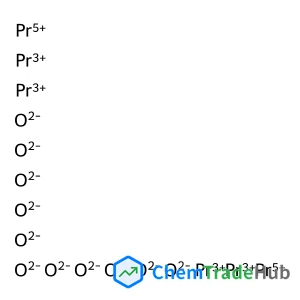
Praseodymium oxide (Pr6O11)(CAS: 12037-29-5)
CAS Number
Related Products
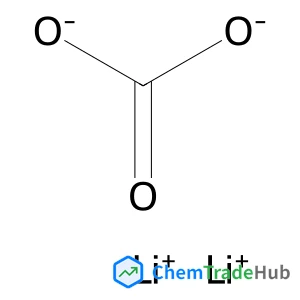
Dilithium carbonate
CAS Number: 554-13-2
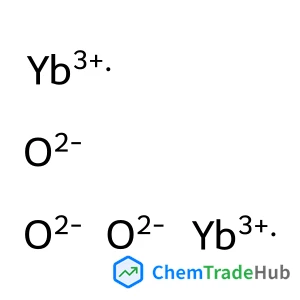
oxo(oxoytterbiooxy)ytterbium
CAS Number: 1314-37-0

Cerium(IV) Oxide
CAS Number: 1306-38-3
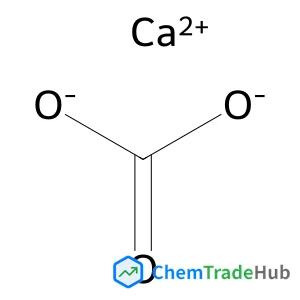
Calcium carbonate, powder
CAS Number: 471-34-1
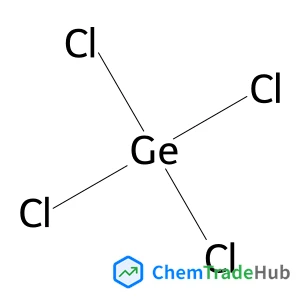
Germaniumtetrachloride
CAS Number: 10038-98-9
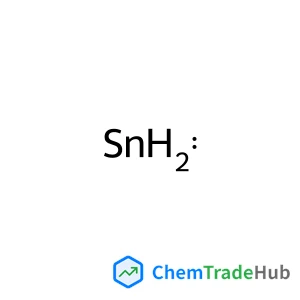
lambda~2~-Stannane
CAS Number: 7440-31-5
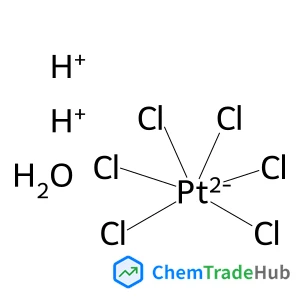
Chloroplatinic acid hexahydrate
CAS Number: 26023-84-7
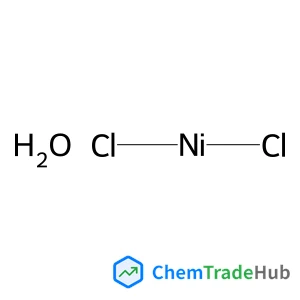
Nickel(2+) chloride hydrate (1:2:1)
CAS Number: 69098-15-3
Other Suppliers for Praseodymium oxide (Pr6O11)


Basic Information
Molecular Formula
O11Pr6
Molecular Weight
1021.44 g/mol
Physical Properties
Melting Point
2500°C
Boiling Point
°Cat760mmHg
Flash Point
°C
Chemical Identifiers
SMILES
[Pr+3].[Pr+3].[Pr+3].[Pr+3].[Pr+5].[Pr+5].[O-2].[O-2].[O-2].[O-2].[O-2].[O-2].[O-2].[O-2].[O-2].[O-2].[O-2]
InChIKey
AICMLAQRDYRMRP-UHFFFAOYSA-N
Database References
MDL Number
MFCD00011178
FAQ
Praseodymium oxide (Pr6O11) is a rare earth metal oxide composed of praseodymium and oxygen. It is a yellowish solid with a high melting point and is commonly used in various industrial applications. Praseodymium oxide has a CAS number of 12037-29-5 and is known for its stability and reactivity in chemical processes.
Praseodymium oxide (Pr6O11) is primarily used in the production of phosphors, which are essential in fluorescent lighting and displays. It also finds applications in the manufacturing of magnets, lasers, and as a component in ceramics and glass. Its unique optical properties make it valuable in research and advanced materials development.
Praseodymium oxide (Pr6O11) is generally considered safe when handled properly, but it can be harmful if inhaled or ingested. It is important to follow safety protocols, such as using protective gloves and eyewear, and to work in a well-ventilated area. Safety standards for handling Praseodymium oxide involve minimizing exposure and adhering to industrial hygiene guidelines.
Praseodymium oxide (Pr6O11) should be stored in a cool, dry, and well-ventilated place, away from moisture and light. It is best kept in a sealed container to prevent contamination and degradation. Proper storage ensures its stability and prolongs its shelf life, making it suitable for long-term use in industrial and research settings.
Safety Notice
Please verify product specifications and safety data before use. Contact the supplier for detailed safety information.
Always follow proper handling procedures
Contact Information
Contact Person
Miss Pang
pangyunqiu@seikonet.cn