



AD
4,4'-(1,2-Ethanediyl)dianiline(CAS: 621-95-4)
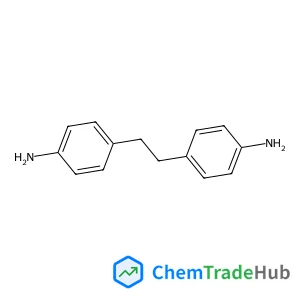
CAS Number
Related Products
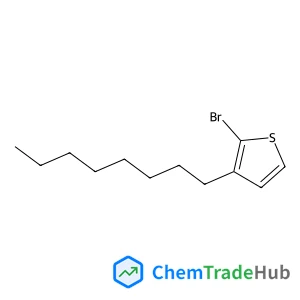
2-Bromo-3-octylthiophene
CAS Number: 145543-83-5
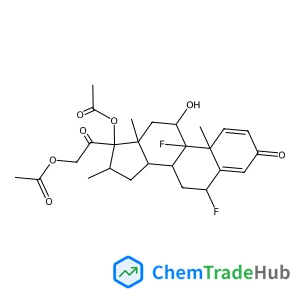
Diflorasone diacetate
CAS Number: 33564-31-7
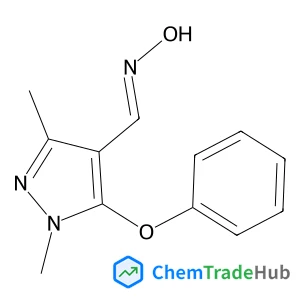
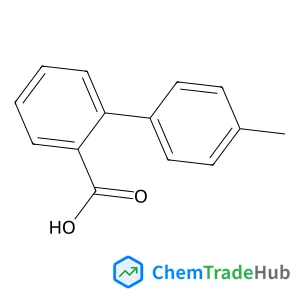
4'-Methyl-2-biphenylcarboxylic acid
CAS Number: 7148-03-0
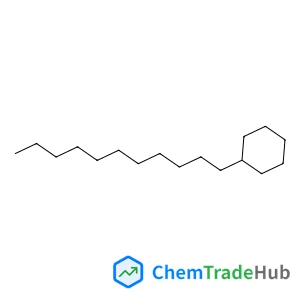
Undecylcyclohexane
CAS Number: 54105-66-7
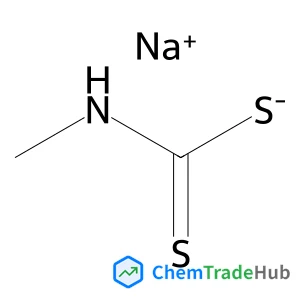
Metam Sodium
CAS Number: 137-42-8
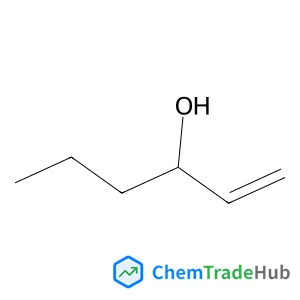
1-Hexen-3-ol
CAS Number: 4798-44-1
![(2S)-Amino[(5S)-3-chloro-4,5-dihydro-1,2-oxazol-5-yl]acetic acid](https://static.chemtradehub.com/structs/422/42228-92-2-8448.webp)
Other Suppliers for 4,4'-(1,2-Ethanediyl)dianiline








Basic Information
Molecular Formula
C14H16N2
Molecular Weight
212.3 g/mol
Physical Properties
Melting Point
134.0 to 139.0 deg-C
Boiling Point
342.14°C (rough estimate)
Density
0.9678 (rough estimate)
Flash Point
381.9 °C at 760 mmHg
Chemical Identifiers
SMILES
C1=CC(=CC=C1CCC2=CC=C(C=C2)N)N
InChIKey
UHNUHZHQLCGZDA-UHFFFAOYSA-N
Database References
MDL Number
MFCD00007923
Beilstein Registry Number
0394999
FAQ
4,4'-(1,2-Ethanediyl)dianiline (CAS: 621-95-4) is subject to various regulatory guidelines. It must comply with GHS classification for hazardous chemicals, REACH regulations for the European Union, and FDA/EPA requirements for safety and environmental protection. Manufacturers and users must ensure proper labeling, storage, and disposal practices to meet these regulatory standards.
Alternatives to 4,4'-(1,2-Ethanediyl)dianiline (CAS: 621-95-4) include other aniline derivatives or similar aromatic compounds. Common alternatives include 2,2'-methylenebis(4-aminophenol) or 2,2'-diaminobiphenyl. These can serve as substitutes in various synthesis processes, depending on specific requirements such as reactivity and solubility.
The market for 4,4'-(1,2-Ethanediyl)dianiline (CAS: 621-95-4) is characterized by steady demand due to its use in the production of dyes and pigments. Research trends focus on developing more sustainable and environmentally friendly alternatives. Emerging applications in the pharmaceutical and polymer industries are also driving innovation and market expansion.
Waste containing 4,4'-(1,2-Ethanediyl)dianiline (CAS: 621-95-4) should be managed according to hazardous waste regulations. Proper waste collection methods should be employed, and the waste should be incinerated or disposed of by a licensed professional. Environmental protection measures include ensuring containment and preventing contamination of soil and water sources. Safe handling practices are essential to minimize environmental impact and ensure worker safety.
Safety Notice
Please verify product specifications and safety data before use. Contact the supplier for detailed safety information.
Always follow proper handling procedures
Contact Information
Contact Person
Jiang Kun
1273554466@qq.com