



AD
4-Bromobiphenyl(CAS: 92-66-0)
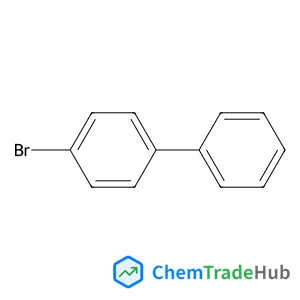
CAS Number
Related Products
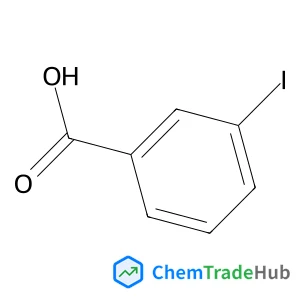
3-Iodobenzoic acid
CAS Number: 618-51-9
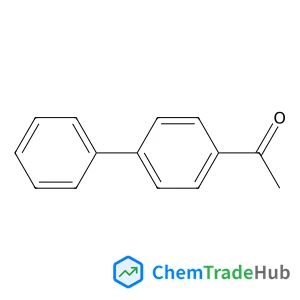
4-Acetylbiphenyl
CAS Number: 92-91-1
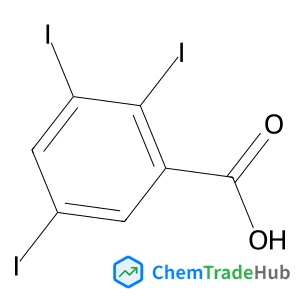
2,3,5-Triiodobenzoic acid
CAS Number: 88-82-4
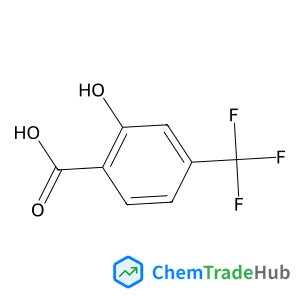
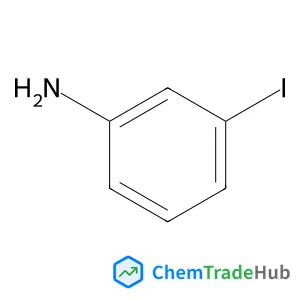
3-iodoaniline
CAS Number: 626-01-7
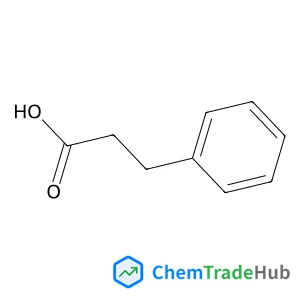
3-Phenylpropanoic acid
CAS Number: 501-52-0
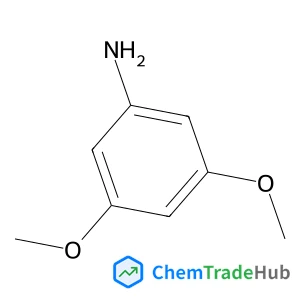
3,5-Dimethoxyaniline
CAS Number: 10272-07-8
2-Iodobenzoic acid
CAS Number: 88-67-5
Other Suppliers for 4-Bromobiphenyl

Basic Information
Molecular Formula
C12H9Br
Molecular Weight
233.11 g/mol
Physical State
White to Yellow Solid
Physical Properties
Melting Point
89.0 to 92.0 deg-C
Boiling Point
310 °C(lit.)
Density
0.9327
Chemical Identifiers
SMILES
C1=CC=C(C=C1)C2=CC=C(C=C2)Br
InChIKey
PKJBWOWQJHHAHG-UHFFFAOYSA-N
Database References
MDL Number
MFCD00000100
Beilstein Registry Number
1907453
FAQ
4-Bromobiphenyl is an organic compound with the chemical formula C12H9Br. It consists of two benzene rings connected by a single bond, with a bromine atom attached to the fourth carbon of one of the rings. This compound is a solid at room temperature and is known for its low solubility in water but moderate solubility in organic solvents. It is commonly used as a reference standard in chemical research and as a precursor in the synthesis of various organic compounds.
4-Bromobiphenyl is primarily used in pharmaceutical research as a building block for drug development. It also finds applications in industrial chemistry for the production of dyes and polymers. Additionally, it serves as a key component in the synthesis of other brominated aromatic compounds and is used in environmental studies to assess the behavior of persistent organic pollutants.
4-Bromobiphenyl is considered toxic and should be handled with care. It is classified as a potential carcinogen and may cause harm through prolonged exposure. Safety measures include the use of personal protective equipment (PPE) such as gloves, goggles, and a lab coat. Proper ventilation and adherence to safety standards are essential when working with this compound.
4-Bromobiphenyl should be stored in a cool, dry, and well-ventilated area, away from light and heat sources. It is best kept in a sealed container made of glass or high-density polyethylene (HDPE) to prevent contamination and maintain stability. Avoid exposure to moisture and incompatible substances to ensure long-term preservation of its chemical properties.
Safety Notice
Please verify product specifications and safety data before use. Contact the supplier for detailed safety information.
Always follow proper handling procedures