



AD
(6Z)-6-Octadecenoic Acid(CAS: 593-39-5)
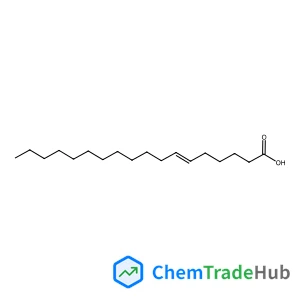
CAS Number
Related Products
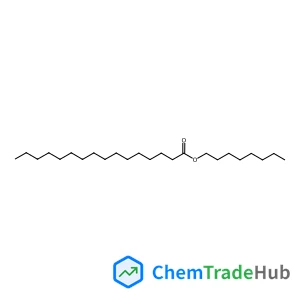
Octyl Palmitate
CAS Number: 16958-85-3
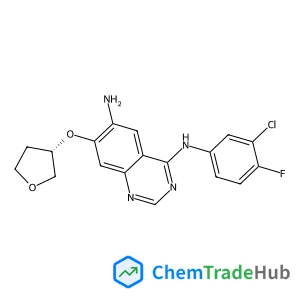
Afatinib Impurity 51
CAS Number: 314771-76-1
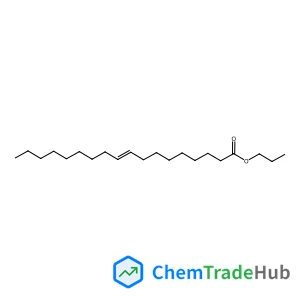
Propyl (9Z)-9-octadecenoate
CAS Number: 111-59-1
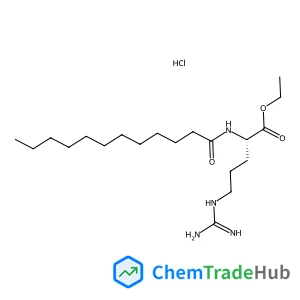
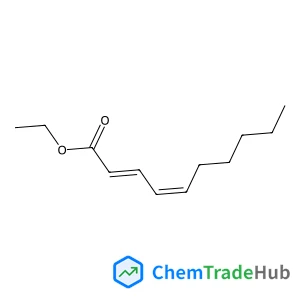
Ethyl (2E,4Z)-2,4-decadienoate
CAS Number: 3025-30-7
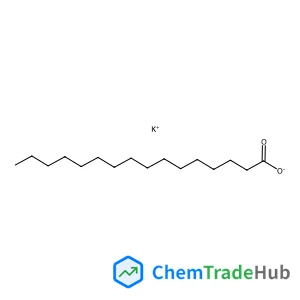
Potassium palmitate
CAS Number: 2624-31-9
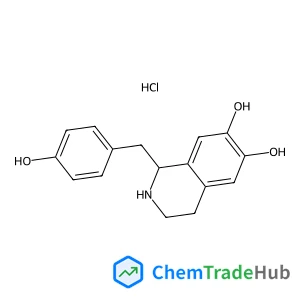
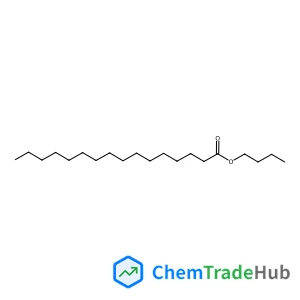
Butyl palmitate
CAS Number: 111-06-8
Other Suppliers for (6Z)-6-Octadecenoic Acid









Basic Information
Molecular Formula
C18H34O2
Molecular Weight
282.5 g/mol
Physical Properties
Melting Point
29.5-30.1°
Boiling Point
bp18 237-238°
Flash Point
28 °C
Chemical Identifiers
SMILES
CCCCCCCCCCCC=CCCCCC(=O)O
InChIKey
CNVZJPUDSLNTQU-SEYXRHQNSA-N
Database References
MDL Number
MFCD00046561
FAQ
(6Z)-6-Octadecenoic Acid (CAS: 593-39-5) is subject to the REACH regulations in the European Union, which requires manufacturers and importers to register substances with the European Chemicals Agency (ECHA). Additionally, it is classified under the Globally Harmonized System of Classification and Labelling of Chemicals (GHS) as a skin irritant. The FDA and EPA may also require specific labeling and handling guidelines, particularly if used in food contact materials or environmental releases.
Alternatives to (6Z)-6-Octadecenoic Acid (CAS: 593-39-5) in synthesis include other fatty acids such as palmitoleic acid and oleic acid, as well as synthetic analogs like 6-octadecenoyl chloride. These alternatives can serve similar functions in various applications, depending on the specific requirements of the reaction or product.
The market for (6Z)-6-Octadecenoic Acid (CAS: 593-39-5) is growing due to increasing demand in cosmetics for its emollient and moisturizing properties. Research trends indicate a focus on developing natural and sustainable alternatives, as well as exploring its potential in pharmaceuticals for topical treatments and dietary supplements.
Waste containing (6Z)-6-Octadecenoic Acid (CAS: 593-39-5) should be collected in suitable containers and disposed of according to local and national regulations. For large quantities, professional waste disposal services are recommended. Incineration is a common method for disposal, provided it is conducted in an appropriately licensed and managed facility. Environmental protection measures should include proper containment to prevent spillage and ensure the waste is processed in a manner that minimizes environmental impact.
Safety Notice
Please verify product specifications and safety data before use. Contact the supplier for detailed safety information.
Always follow proper handling procedures
Contact Information
zhaowei@bio-omega.com