AD
(1R)-3-Cyclohexene-1-carboxylic acid(CAS: 5709-98-8)
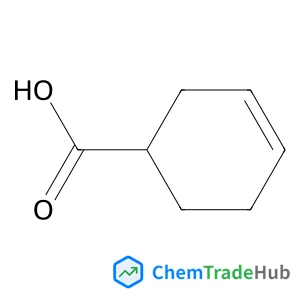
CAS Number
Related Products
![(2R)-2,7,8-Trimethyl-2-[(4R,8R)-4,8,12-trimethyltridecyl]-6-chromanol](https://static.chemtradehub.com/structs/54-/54-28-4-155c.webp)
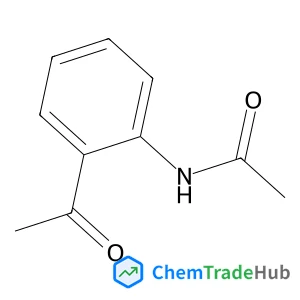
N-(2-Acetylphenyl)acetamide
CAS Number: 5234-26-4
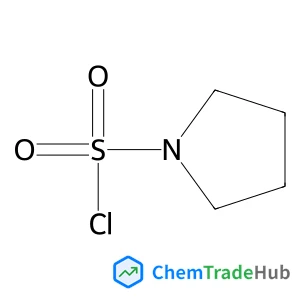
1-Pyrrolidinesulfonyl chloride
CAS Number: 1689-02-7
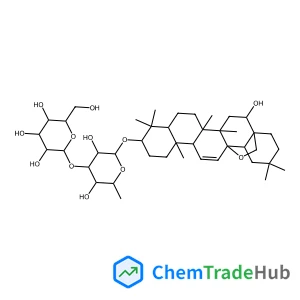
![3-Hexyl-2-[3-(3-hexyl-1,3-benzoxazol-2(3H)-ylidene)-1-propen-1-yl]-1,3-benzoxazol-3-ium iodide](https://static.chemtradehub.com/structs/532/53213-82-4-e483.webp)
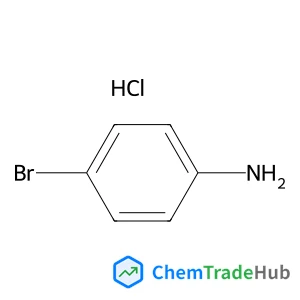
4-Bromoaniline hydrochloride (1:1)
CAS Number: 624-19-1
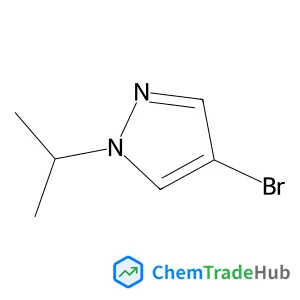
4-Bromo-1-isopropyl-1H-pyrazole
CAS Number: 313735-62-5
Other Suppliers for (1R)-3-Cyclohexene-1-carboxylic acid




Basic Information
Molecular Formula
C7H10O2
Molecular Weight
126.16 g/mol
Physical Properties
Boiling Point
241.7°C at 760 mmHg
Chemical Identifiers
SMILES
C1CC(CC=C1)C(=O)O
InChIKey
VUSWCWPCANWBFG-LURJTMIESA-N
Database References
MDL Number
MFCD08275445
FAQ
The (1R)-3-Cyclohexene-1-carboxylic acid (CAS: 5709-98-8) falls under the classification and labelling regulations as a hazardous substance. It is regulated under the Globally Harmonized System of Classification and Labeling of Chemicals (GHS), potentially requiring hazard communication labels. In the European Union, it must comply with REACH regulations, which require registration, evaluation, and authorization of chemicals. FDA and EPA also have specific requirements for the handling, storage, and disposal of this compound, particularly for industrial and commercial use.
Alternatives to (1R)-3-Cyclohexene-1-carboxylic acid in synthesis include other cyclic ketones and carboxylic acids with similar functional groups, such as 3-cyclohexene-1-carboxylic acid (1S)- isomer. Other reagents like substituted cyclohexanones or cyclohexanecarboxylic acids can serve as viable alternatives depending on the specific reaction conditions and desired product.
The market for (1R)-3-Cyclohexene-1-carboxylic acid (CAS: 5709-98-8) is influenced by its use in various applications, including pharmaceuticals, cosmetics, and fine chemicals. Research trends are focusing on its use as a precursor in the synthesis of complex organic molecules, particularly for the development of new drug candidates. Additionally, there is growing interest in its potential as a biodegradable alternative in eco-friendly products.
Waste containing (1R)-3-Cyclohexene-1-carboxylic acid (CAS: 5709-98-8) should be collected in appropriate containers and stored in a well-ventilated area. For disposal, it is recommended to consult local regulations and possibly use a professional hazardous waste disposal service. Incineration is a common method of disposal, but precautions must be taken to ensure proper combustion and minimize emissions. Environmental protection measures, such as neutralizing the waste before disposal, should also be considered to prevent contamination.
Safety Notice
Please verify product specifications and safety data before use. Contact the supplier for detailed safety information.
Always follow proper handling procedures