AD
9-(chloromethyl)anthracene(CAS: 24463-19-2)
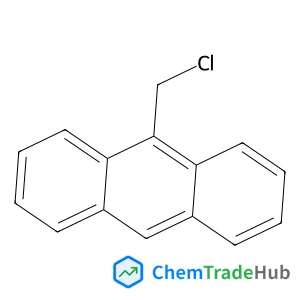
CAS Number
Related Products
![(2R)-2,7,8-Trimethyl-2-[(4R,8R)-4,8,12-trimethyltridecyl]-6-chromanol](https://static.chemtradehub.com/structs/54-/54-28-4-155c.webp)
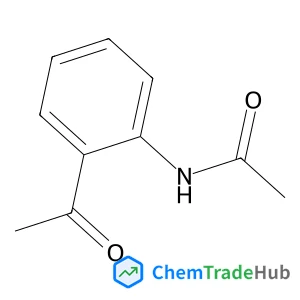
N-(2-Acetylphenyl)acetamide
CAS Number: 5234-26-4
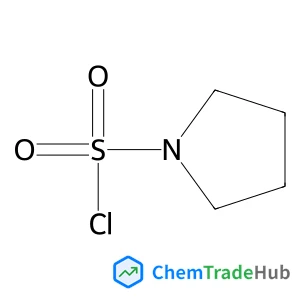
1-Pyrrolidinesulfonyl chloride
CAS Number: 1689-02-7
![3-Hexyl-2-[3-(3-hexyl-1,3-benzoxazol-2(3H)-ylidene)-1-propen-1-yl]-1,3-benzoxazol-3-ium iodide](https://static.chemtradehub.com/structs/532/53213-82-4-e483.webp)
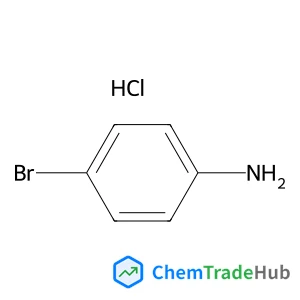
4-Bromoaniline hydrochloride (1:1)
CAS Number: 624-19-1
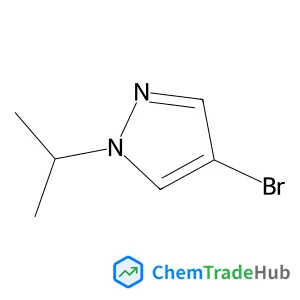
4-Bromo-1-isopropyl-1H-pyrazole
CAS Number: 313735-62-5
Other Suppliers for 9-(chloromethyl)anthracene






Basic Information
Molecular Formula
C15H11Cl
Molecular Weight
226.71 g/mol
Physical Properties
Melting Point
138.0 to 142.0 deg-C
Boiling Point
294.66°C (rough estimate)
Flash Point
185 °C
Water Solubility
Soluble in chloroform. Insoluble in water.
Chemical Identifiers
SMILES
C1=CC=C2C(=C1)C=C3C=CC=CC3=C2CCl
InChIKey
PCVRSXXPGXRVEZ-UHFFFAOYSA-N
Database References
MDL Number
MFCD00001263
Beilstein Registry Number
1873394
FAQ
9-(chloromethyl)anthracene (CAS: 24463-19-2) is classified under GHS as a hazardous substance due to its potential for skin and eye irritation. It falls under REACH regulations in the EU, requiring registration, evaluation, and authorization for its manufacture, import, or supply. FDA and EPA may have additional specific requirements for its use in the US, including safety data sheets (SDS) and proper labeling.
There are several alternatives to 9-(chloromethyl)anthracene (CAS: 24463-19-2) in synthesis, such as 9-fluorenylmethyl chloromethyl ether (FMOC) or anthracene derivatives like 9-anthraldehyde. These alternatives offer similar reactivity but with different functional groups, making them suitable for various synthetic routes without the need for chloromethyl groups.
The market for 9-(chloromethyl)anthracene (CAS: 24463-19-2) is primarily driven by its applications in organic synthesis and functional materials. Research trends are focused on developing its use in drug synthesis and polymer chemistry, as well as exploring its potential as a photosensitizer. However, due to its hazardous nature, there is also an increasing trend towards safer alternatives.
Waste containing 9-(chloromethyl)anthracene (CAS: 24463-19-2) should be collected in appropriate containers and labeled as hazardous waste. Incineration is one method, but it must be conducted in an approved facility to minimize emissions. Alternatively, professional waste disposal services can handle the waste safely, ensuring all safety and regulatory requirements are met. Environmental precautions include proper ventilation and protective gear for handlers.
Safety Notice
Please verify product specifications and safety data before use. Contact the supplier for detailed safety information.
Always follow proper handling procedures