



AD
2-Bromo-3-chloroaniline(CAS: 96558-73-5)
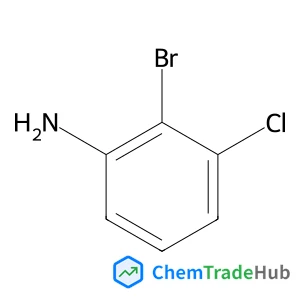
CAS Number
Related Products
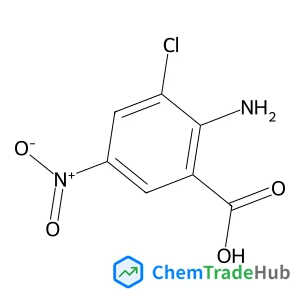
2-Amino-3-chloro-5-nitrobenzoic acid
CAS Number: 773109-32-3
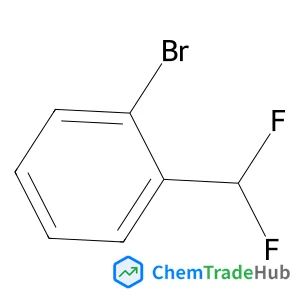
1-Bromo-2-(difluoromethyl)benzene
CAS Number: 845866-82-2
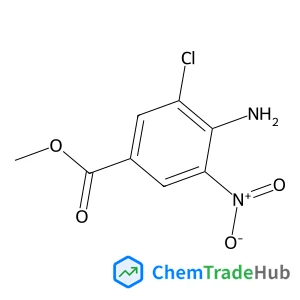
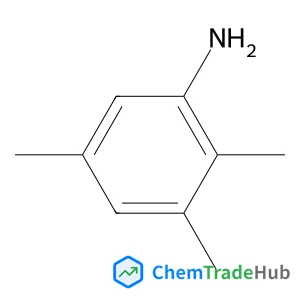
2,3,5-Trimethylaniline
CAS Number: 767-77-1
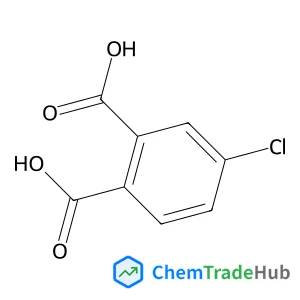
4-Chlorophthalic acid
CAS Number: 89-20-3
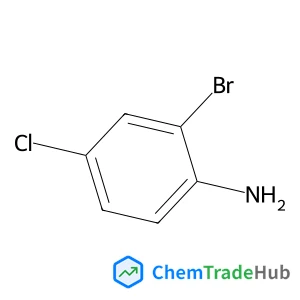
2-Bromo-4-chloroaniline
CAS Number: 873-38-1
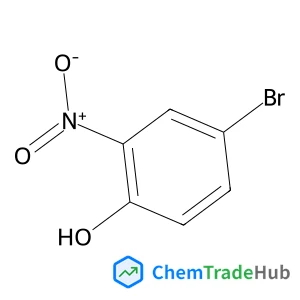
4-Bromo-2-nitrophenol
CAS Number: 7693-52-9
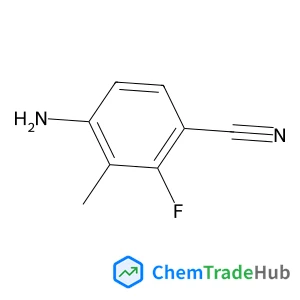
4-Amino-2-fluoro-3-methylbenzonitrile
CAS Number: 757247-93-1
Other Suppliers for 2-Bromo-3-chloroaniline





Basic Information
Molecular Formula
C6H5BrClN
Molecular Weight
206.47 g/mol
Physical Properties
Melting Point
41-43 ºC
Boiling Point
277 ºC
Density
1.722
Flash Point
122 ºC
Chemical Identifiers
SMILES
C1=CC(=C(C(=C1)Cl)Br)N
InChIKey
JHHMLFBYFNAPDZ-UHFFFAOYSA-N
Database References
MDL Number
MFCD10699543
FAQ
2-Bromo-3-chloroaniline (CAS: 96558-73-5) is a white or yellowish crystalline solid with a molecular weight of 197.01 g/mol. It has a melting point of 78-81°C and is slightly soluble in water. The compound is reactive towards nucleophiles and can undergo substitution reactions. It is used in organic synthesis and as an intermediate in the production of dyes and pharmaceuticals.
2-Bromo-3-chloroaniline (CAS: 96558-73-5) is typically synthesized through the substitution of chlorine with bromine in 3-chloroaniline. Common methods include the use of N-bromosuccinimide (NBS) as a brominating agent in the presence of a radical initiator. The reaction is usually carried out in an inert solvent like hexane or toluene under light or heat conditions.
2-Bromo-3-chloroaniline (CAS: 96558-73-5) is primarily used in the pharmaceutical and dye industries. It serves as an intermediate for the synthesis of various pharmaceutical compounds and also finds applications in the production of organic dyes and pigments. Its reactivity towards nucleophiles makes it useful in organic chemistry for creating functionalized aromatic compounds.
When handling 2-Bromo-3-chloroaniline (CAS: 96558-73-5), it is important to wear appropriate personal protective equipment (PPE) such as gloves, safety goggles, and a lab coat. Work should be conducted in a well-ventilated area or a fume hood to prevent inhalation of vapors. Spills should be cleaned up with caution using absorbent materials, and the area should be flushed with water. Always refer to the Safety Data Sheet (SDS) for specific handling and disposal guidelines.
Safety Notice
Please verify product specifications and safety data before use. Contact the supplier for detailed safety information.
Always follow proper handling procedures
Contact Information
sales@syachemical.com