



AD
Methoxamine Impurity 3 (3,4-Dimethoxyphenylacetone)(CAS: 776-99-8)
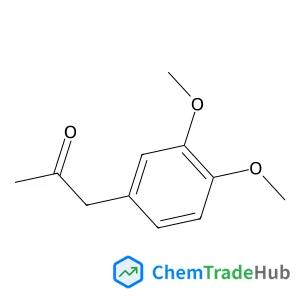
CAS Number
Related Products
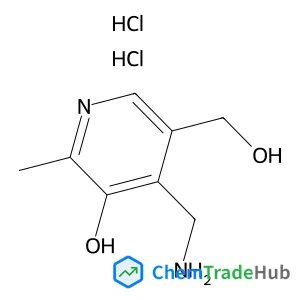
Pyridoxamine Dihydrochloride Standard
CAS Number: 524-36-7
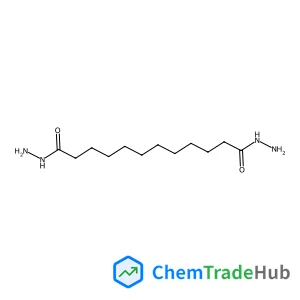
Dodecanedihydrazide
CAS Number: 4080-98-2
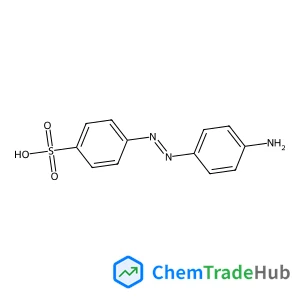
4'-Aminoazobenzene-4-sulphonic Acid
CAS Number: 104-23-4
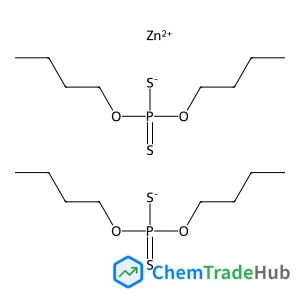
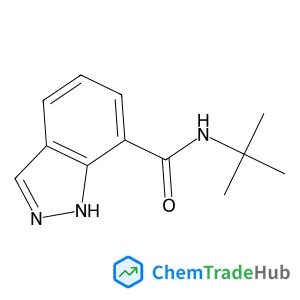
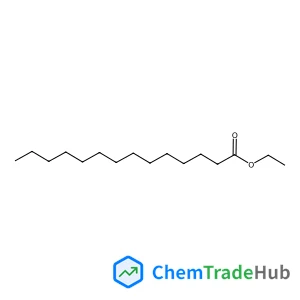
Ethyl myristate
CAS Number: 124-06-1
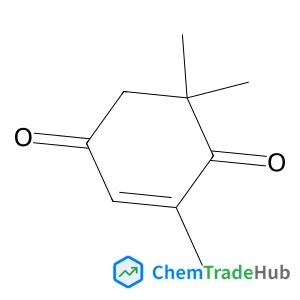
2,6,6-Trimethyl-2-cyclohexene-1,4-dione
CAS Number: 1125-21-9
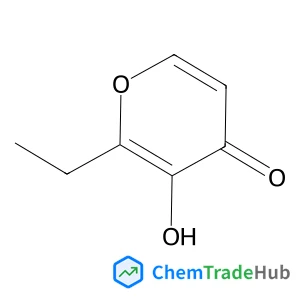
2-Ethyl-3-hydroxy-4H-pyran-4-one
CAS Number: 4940-11-8
Other Suppliers for Methoxamine Impurity 3 (3,4-Dimethoxyphenylacetone)





Basic Information
Molecular Formula
C11H14O3
Molecular Weight
194.23 g/mol
Physical Properties
Boiling Point
167°C/17mmHg(lit.)
Density
1.115
Flash Point
>230 °F
Water Solubility
Insoluble in water.
Chemical Identifiers
SMILES
CC(=O)CC1=CC(=C(C=C1)OC)OC
InChIKey
UMYZWICEDUEWIM-UHFFFAOYSA-N
Database References
MDL Number
MFCD00008772
Beilstein Registry Number
1107410
FAQ
Methoxamine Impurity 3, also known as 3,4-Dimethoxyphenylacetone, is an organic compound with the molecular formula C10H12O3. It is a white crystalline solid with moderate solubility in polar solvents and is commonly encountered as an impurity during the synthesis of methoxamine. Its chemical structure features a phenyl ring substituted with methoxy groups at positions 3 and 4, linked to an acetone functional group. This compound is relevant in pharmaceutical and analytical chemistry contexts due to its association with methoxamine, a compound used in drug development.
Methoxamine Impurity 3 (CAS: 776-99-8) is primarily used in pharmaceutical research for purity analysis and as a byproduct in the synthesis of methoxamine. It may also serve as an intermediate in organic chemistry processes, aiding in the development of other compounds. Additionally, it is studied in quality control to ensure the safety and efficacy of methoxamine-containing drugs. Its applications extend to chemical synthesis and research, particularly in understanding impurity profiles in drug manufacturing.
Methoxamine Impurity 3 (CAS: 776-99-8) should be handled with caution due to potential toxicity. While specific safety data may vary, it is advisable to use personal protective equipment (PPE) such as gloves and goggles when working with this compound. Proper ventilation is recommended to minimize inhalation risks. Safety standards for handling impurities in chemical synthesis emphasize adherence to lab protocols, including avoiding skin contact and following guidelines outlined in safety data sheets (SDS) for detailed information.
Methoxamine Impurity 3 (CAS: 776-99-8) should be stored in a cool, dry place, preferably at 2-8°C, to maintain stability. It requires protection from light and moisture, so storage in a sealed, airtight container is essential. Avoid exposure to air to prevent degradation. Proper storage conditions ensure the compound remains viable for analytical or research purposes, aligning with standard practices for handling organic impurities.
Safety Notice
Please verify product specifications and safety data before use. Contact the supplier for detailed safety information.
Always follow proper handling procedures
Contact Information
vicky@ycphar.com