



AD
2-Naphthacenecarboxamide, 4-(dimethylamino)-1,4,4a,5,12,12a-hexahydro-3,10,11,12a-tetrahydroxy-6-methyl-1,12-dioxo-, hydrochloride (1:1), (4S,4aS,12aS)-(CAS: 13803-65-1)
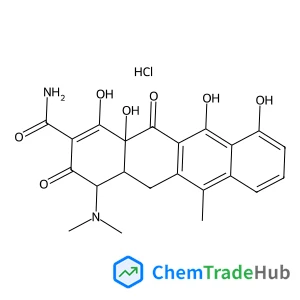
CAS Number
Related Products
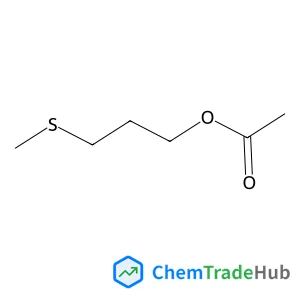
3-(Methylsulfanyl)propyl acetate
CAS Number: 16630-55-0
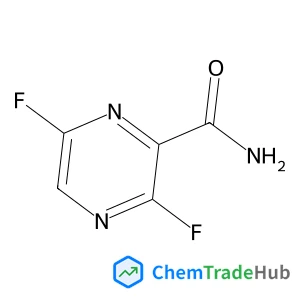
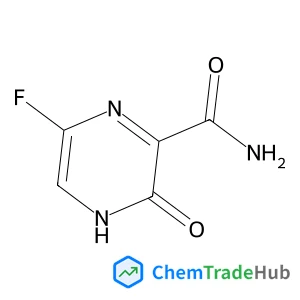
3,6-Difluoro-2-pyrazinecarboxamide
CAS Number: 356783-29-4
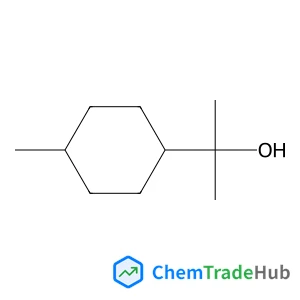
Dihydro-α-terpineol
CAS Number: 498-81-7

Copper(1+) sulfidocopper
CAS Number: 22205-45-4
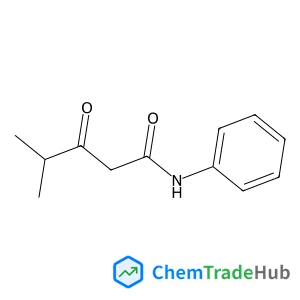
Atorvastatin Impurity 56
CAS Number: 124401-38-3
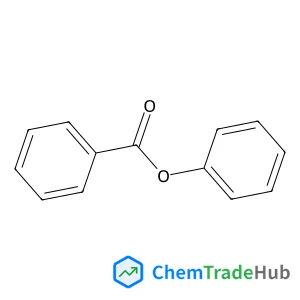
Phenyl Benzoate
CAS Number: 93-99-2
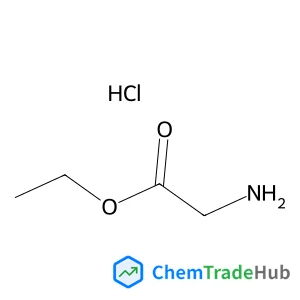
Glycine ethyl ester monohydrochloride
CAS Number: 623-33-6

Pentafluoroethanesulfonic acid
CAS Number: 354-88-1
Other Suppliers for 2-Naphthacenecarboxamide, 4-(dimethylamino)-1,4,4a,5,12,12a-hexahydro-3,10,11,12a-tetrahydroxy-6-methyl-1,12-dioxo-, hydrochloride (1:1), (4S,4aS,12aS)-





Basic Information
Molecular Formula
C22H23ClN2O7
Molecular Weight
462.9 g/mol
Chemical Identifiers
SMILES
CC1=C2C=CC=C(C2=C(C3=C1CC4C(C(=O)C(=C(C4(C3=O)O)O)C(=O)N)N(C)C)O)O.Cl
InChIKey
SPFAOPCHYIJPHJ-WPJNXPDPSA-N
Database References
MDL Number
MFCD00151453
FAQ
This compound is subject to various regulations including GHS classification for hazardous substances, REACH for European Union manufacturers and importers, and FDA and EPA guidelines for handling and disposal. Specific regulatory requirements include hazard communication, material safety data sheets (MSDS), and proper labeling under the Globally Harmonized System (GHS).
There are several alternatives in synthesis, including related naphthacene derivatives and other aromatic amides. Common substitutes include 2-naphthacene carboxamides with different substituents, or isomers such as (4R,4aR,12aS) to avoid the need for this specific compound. These alternatives can offer similar reactivity or modulate specific properties for different applications.
Research trends for this compound are currently focused on its potential applications in pharmaceuticals and organic synthesis. Market trends show increasing demand in specialized industries, particularly in drug development and as a reagent for advanced organic transformations. Recent studies are exploring its use in catalysis and medicinal chemistry.
Waste containing this compound should be handled according to hazardous waste regulations. Collect waste liquids in appropriate containers and seal them. For solid waste, ensure it is properly labeled and stored in a secure area. Disposal should be conducted through a licensed hazardous waste disposal facility, following local, national, and international guidelines for the disposal of hazardous chemicals.
Safety Notice
Please verify product specifications and safety data before use. Contact the supplier for detailed safety information.
Always follow proper handling procedures
Contact Information
1018283355@qq.com
Mobile
15172537016
Telephone
027-59503710
Fax
QQ联系更便捷,QQ:1018283355,1018289922
Visit Website
http://www.xinhonglichem.com