



AD
4-Chloro-2-pyrimidinamine(CAS: 3993-78-0)
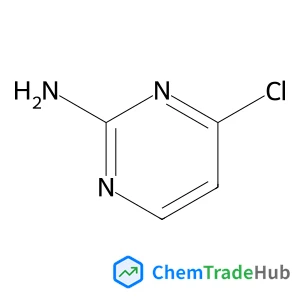
CAS Number
Related Products
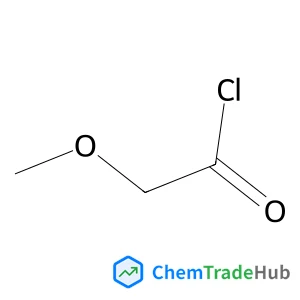
Methoxyacetyl chloride
CAS Number: 38870-89-2
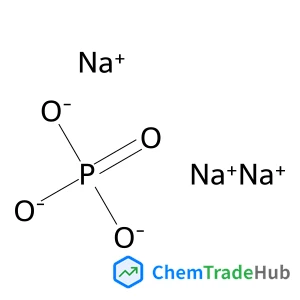
Sodium phosphate hydrate (3:1:12)
CAS Number: 7601-54-9
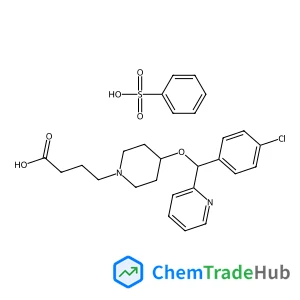
Bepotastine Besylate
CAS Number: 190786-44-8
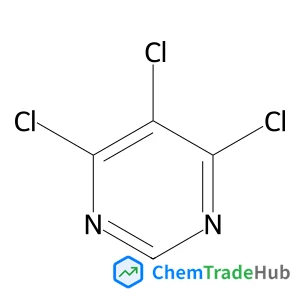
4,5,6-Trichloropyrimidine
CAS Number: 1780-27-4
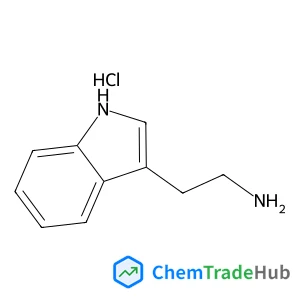
![2-Naphthalenecarboxylic acid,3-hydroxy-4-[(2-hydroxy-4-sulfo-1-naphthalenyl)azo]-](https://static.chemtradehub.com/structs/373/3737-95-9-4fcb.webp)
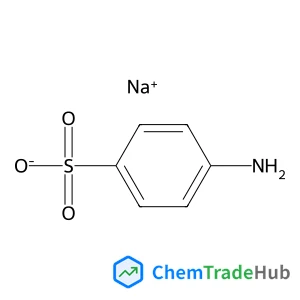
sodium 4-aminobenzene-1-sulfonate
CAS Number: 515-74-2
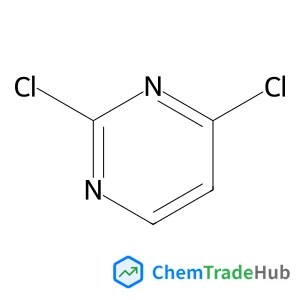
2,4-Dichloropyrimidine
CAS Number: 3934-20-1

Ciprofloxacin Lactate
CAS Number: 97867-33-9
Other Suppliers for 4-Chloro-2-pyrimidinamine



Basic Information
Molecular Formula
C4H4ClN3
Molecular Weight
129.55 g/mol
Physical State
White to Yellow Solid
Physical Properties
Melting Point
155-160 °C (dec.)
Boiling Point
314.6°C at 760 mmHg
Density
1.437
Flash Point
144.1℃
Chemical Identifiers
SMILES
C1=CN=C(N=C1Cl)N
InChIKey
DBGFGNCFYUNXLD-UHFFFAOYSA-N
Database References
MDL Number
MFCD00038021
FAQ
4-Chloro-2-pyrimidinamine (CAS: 3993-78-0) falls under the GHS classification as a hazardous chemical, specifically classified as a skin and eye irritant. It is also regulated under REACH in the EU, requiring registration and notification of supply. FDA and EPA may have additional handling and environmental discharge regulations for this compound in the USA, focusing on proper disposal and environmental protection.
Alternatives to 4-Chloro-2-pyrimidinamine (CAS: 3993-78-0) in synthesis include other pyrimidinamines or related compounds like 5-chloro-2-pyrimidinamine. Common reagents used as substitutes include amines, chlorides, and other nitrogen-containing compounds that can be used to synthesize similar functional groups.
Market trends for 4-Chloro-2-pyrimidinamine (CAS: 3993-78-0) are currently influenced by its applications in pharmaceuticals and agrochemicals. Research is focusing on its potential as an intermediate in drug synthesis and as a herbicide. Price trends show stability with minor fluctuations based on supply and demand. Emerging research fields are exploring its use in targeted drug delivery systems and as a biocide.
Waste containing 4-Chloro-2-pyrimidinamine (CAS: 3993-78-0) should be managed through proper collection in sealed containers. Incineration should be conducted in an incinerator designed for hazardous waste. For professional waste disposal, contact a licensed hazardous waste management company. Ensure to follow all environmental protection precautions and adhere to local regulations for safe disposal.
Safety Notice
Please verify product specifications and safety data before use. Contact the supplier for detailed safety information.
Always follow proper handling procedures
Contact Information
Contact Person
Ye Manager
whhdyxchem123@sina.com